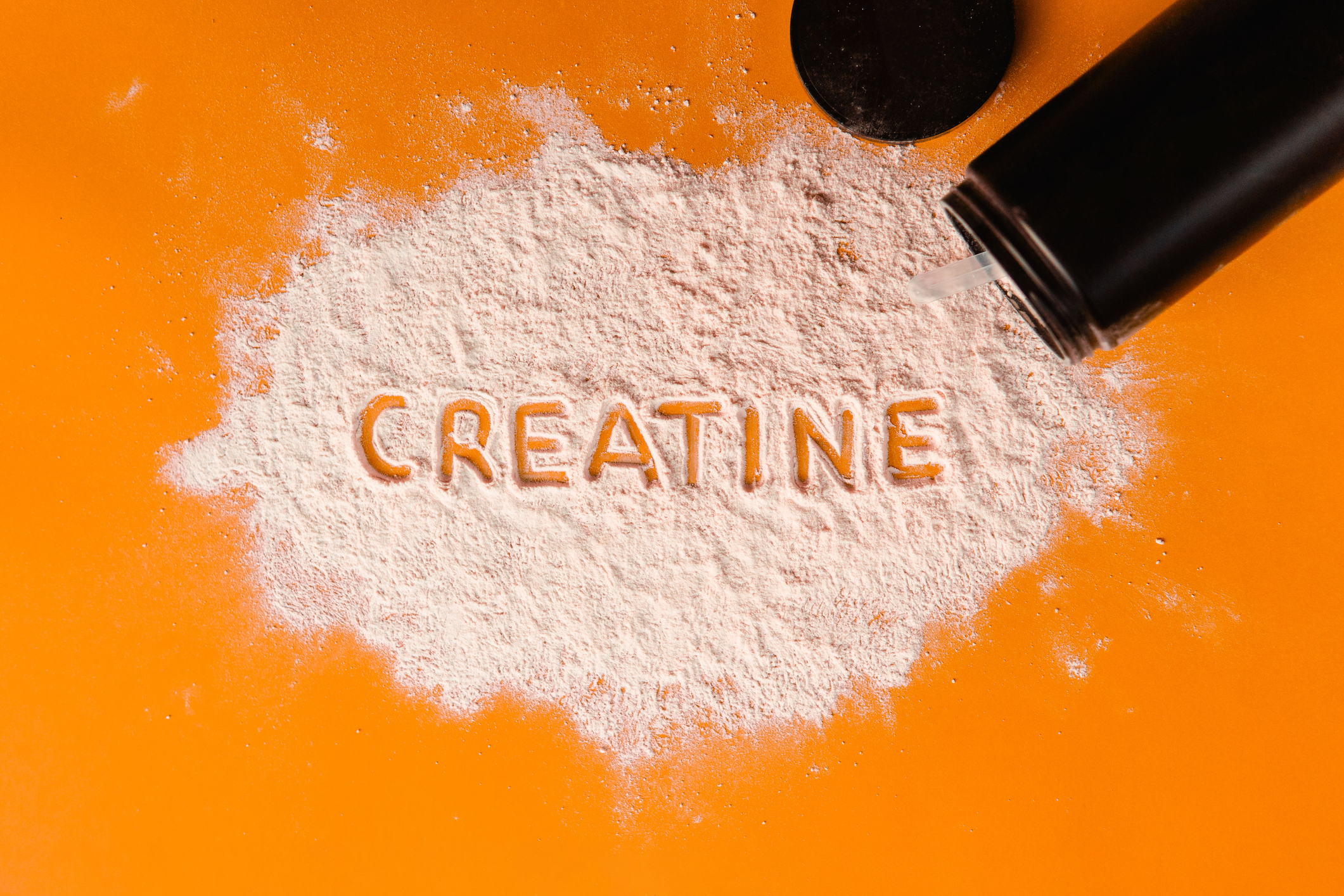
The supplement creatine has long been used by athletes to boost performance, but recent research has found that it may have even more profound benefits—helping to maintain muscle and cognitive function—for people over age 60. To better understand the benefits of creatine, Bottom Line Personal spoke with Richard B. Kreider, PhD, of Texas A&M’s Exercise & Sport Nutrition Lab—he has been studying creatine for more than 30 years.
What Is Creatine?
The naturally occurring compound creatine is involved in every energy transfer in every cell in the body. It comes from three amino acids and combines with phosphate—an important electrolyte—to form phosphocreatine, which is stored mostly in muscle and the brain. Think of it as a back-up battery. By increasing creatine availability, you increase the ability of a cell to produce and maintain energy.
Studies on creatine began well over 100 years ago but have intensified over the last 30 years, first with research involving athletes and then branching into other communities, notably those over age 60.
The Benefits of Creatine in Older Age
We used to think that creatine’s benefits were limited to muscle mass—that explains why it was of such interest to athletes. Then we learned that creatine was especially helpful to older people. As we age, we naturally lose muscle mass, slowly at first starting at about age 35…then at a more rapid clip in older age. This decline puts seniors at risk for sarcopenia (severe muscle loss) and frailty, which can limit mobility. Creatine helps maintain that all-important muscle.
As we age, we also lose cognitive function and memory. We know from studies of National Health and Nutrition Examination Survey (NHANES) data that cognitive function is reduced in older people who have less creatine in their diet. Creatine helps improve cognitive function and provides energy for the brain.
Creatine also may reduce the impact of chronic diseases. Example: When you have ischemic heart disease, stroke or another health condition that limits the ability of the cells to produce energy, creatine and phosphocreatine help maintain energy levels and limit the damage that the condition can cause. Animal studies have shown that in mice fed creatine that then experience a concussion, stroke or a spinal cord injury, the tissue damage is reduced by 30% to 50%.
How Much Creatine Do You Need?
The body needs one to two grams of creatine per day just to meet basic needs, but research suggests that you may need as much as 10 grams a day—that is more than the 0.1 grams per kilogram of bodyweight per day maintenance dose for athletic performance—to promote cognitive function benefits. The brain needs more creatine than muscle does. The challenge: Getting that creatine level.
The liver, pancreas and kidneys make about one gram of creatine per day. We also get creatine from eating meat and fish, but it takes about one pound of these proteins to get just one to two grams of creatine. It would be very difficult to eat enough protein in a day to obtain these higher creatine levels. It’s also would add a lot of calories to the diet and be expensive. And if you follow a vegetarian-style diet, you likely won’t get even the basic amount through food. Add to that the fact that, as we age, we don’t digest proteins as effectively as we used to. The answer: A creatine supplement.
What to Look for in a Supplement: Creatine Monohydrate Benefits
About 95% of creatine studies use a form called creatine monohydrate, which is closest to the form produced by the body. Almost all the creatine monohydrate used in studies is from Germany, which is the purest source.
It doesn’t matter if you use a pill or a powder, as long as it’s made from a pure source of creatine. Regardless of manufacturer, look for supplements with Creapure creatine or Creavitalis listed on the label. That’s the purest source of creatine from Germany.
Caution: Don’t buy more than a three-to-six-month supply at a time—the shelf life for most products—to ensure it stays stable until you finish it.
As with athletes, we recommend creatine loading with 20 grams a day if you can tolerate it (it can sometimes cause temporary stomach upset). Taking a high, or loading, dose spread out over the course of each day for one week gets creatine into the muscle and the brain effectively. Example: You might take five grams of creatine four times a day. After the first week, you can take five to 10 grams a day thereafter all in one dose indefinitely. (Note: We recommend two doses of five grams per day for cognitive effects.)
One simple way to take creatine: As a powder dissolved in coffee, tea, juice or a smoothie. Also, it seems to be absorbed better when you have it with some carbohydrate or protein.
Are There Any Creatine Side Effects?
Clinical trials, some of which involved up to 30 grams a day for up to eight years, have found no negative side effects. A published review of nearly 700 studies by Dr. Kreider’s group at Texas A&M University found no contraindications even among people with renal disease who may be concerned about the effects of amino acids on kidney function. In fact, because dialysis patients often are deficient in creatine and, as a consequence, feel fatigued and weak, some recent researchers have been evaluating the benefits of adding creatine to the dialysis solution or giving oral supplements.
Reminder: Talk to a knowledgeable doctor before starting any new supplement.
The Future of Creatine Research
We are learning that creatine is not only important as you age but that it has applications across a broad spectrum of health-related issues.
Current research is investigating what other nutrients can further boost creatine’s benefits, such as antioxidants, anti-inflammatories, cognitive enhancers or nootropics (aka, brain enhancers) such as acetylcholine, and guanidinoacetic acid (GAA), the natural precursor to creatine that enters the brain more readily and is converted to creatine and phosphocreatine. In the future, we could see a kind of cocktail of nutrients to help maintain strength, balance, performance and cognitive function as you age.
There even is the possibility that creatine has a role in fighting cancer. We used to think that creatine could feed a tumor, that it would grow faster from the extra energy. But studies now show that the more creatine you have, the slower the growth of some tumors.