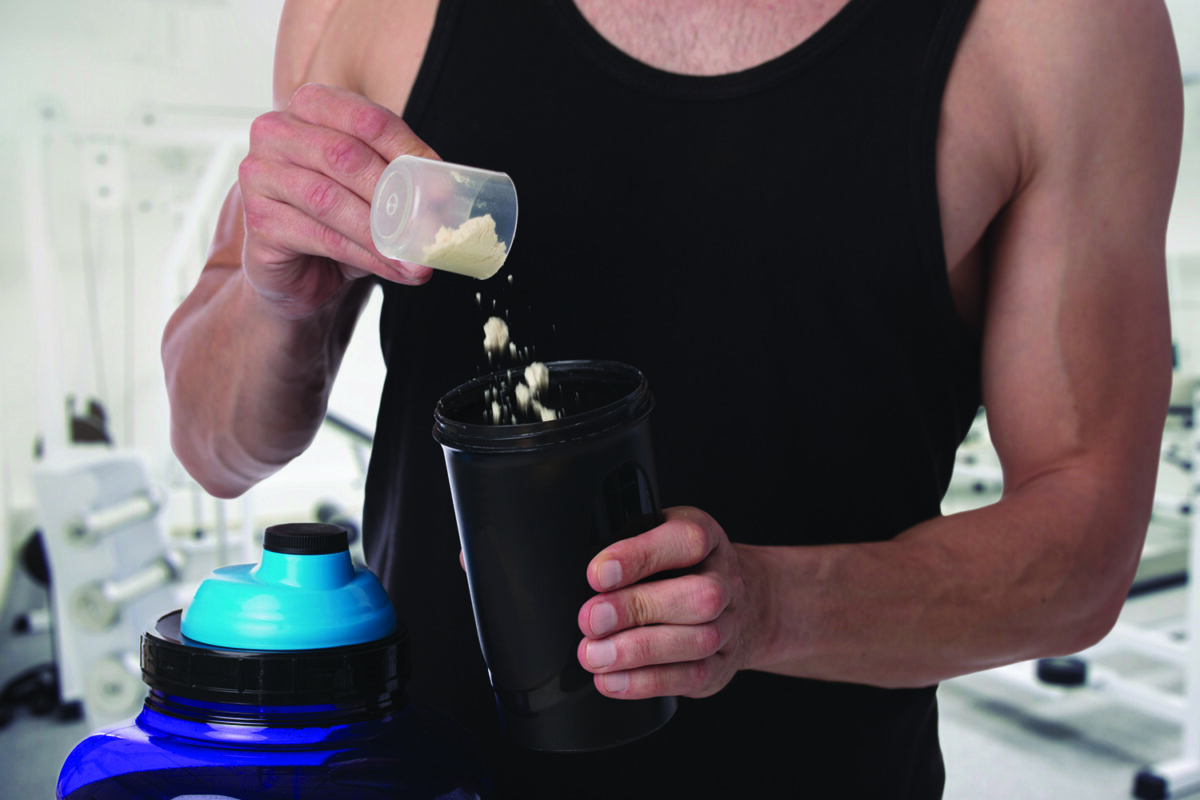
Walk into a supplement store or search online for creatine, and you will quickly become overwhelmed by the wide variety of powders, capsules, gummies, and chews. Some products contain plain creatine, while others add ingredients such as electrolytes, protein, or amino acids. So, how do you know which is the right one for you?
Choosing one doesn’t have to be complicated. The best creatine supplement for you depends on your goals, preferred formulation, and budget. For most people, a simple product containing creatine monohydrate is a good place to start.
“Creatine is generally considered safe, and unlike many supplements, it has been studied for decades,” says dietitian Kristen Smith, PhD, RDN, LD.
What to Look for to Find the Best Creatine Supplement
Creatine is a compound your body makes naturally. It is stored mostly in your muscles, where it helps provide energy during short, intense activities. Your body also gets small amounts of creatine from foods such as meat and fish. Creatine supplements provide greater amounts than you would normally get from food.
Research has found that creatine can improve strength, power, and performance during activities that involve repeated bursts of intense effort, such as weightlifting and sprinting. It appears to offer less benefit for long-duration endurance activities.
Before choosing a creatine product, check the label. A few important details can help you separate useful products from those with unnecessary extras:
- Creatine Type. Creatine monohydrate is the most widely studied form of creatine. Newer forms, such as creatine hydrochloride, may be marketed as more advanced and beneficial, but there is not enough evidence to support those claims.
- Daily Dose. Look for a product that clearly states how much creatine is provided per serving. For most healthy adults, 3 to 5 grams per day is a commonly recommended amount.
- Third-Party Testing. Supplements are not regulated the same way as prescription medications. Choosing third-party tested creatine can provide an extra level of quality control. Look for certifications from independent organizations such as NSF Certified for Sport, U.S. Pharmacopeia (USP), or Informed Sport.
- Ingredients List. A short ingredients list is not a must when choosing a creatine supplement, but it can make a product easier to evaluate. If your goal is simply to supplement with creatine, you may not need a product packed with additional ingredients.
- Format and Convenience. Powder is usually easy to adjust and mix into drinks. Capsules can be convenient when traveling, while gummies and chews may appeal to people who dislike powders.
- Price Per Serving. Compare products based on cost per serving, not just the price of the container. A larger container may cost more initially but provide many more servings.
Best Creatine Supplements at a Glance
Creatine shopping is about finding a product that fits your routine, budget, and preferences. The products mentioned here aren’t the only good options on the market, but they’re great examples of what to look for in a creatine supplement.
Best Overall Creatine: Optimum Nutrition Micronized Creatine Powder

If you want the option with the strongest research behind it, look for a product containing creatine monohydrate as its primary ingredient. A plain creatine monohydrate powder like Optimum Nutrition Micronized Creatine Powder is a great choice.
Creatine monohydrate is generally less expensive than newer forms. The powder also makes it easy to get a full daily dose without having to swallow several capsules. The main downside is that some people do not like the texture or do not want to mix a powder every day. For most people, however, simplicity is an advantage. You do not need a complicated formula to get creatine.
Best Budget Creatine: Nutricost Micronized Creatine Monohydrate

If price is your main concern, a basic unflavored creatine monohydrate powder is hard to beat. Look for a product that provides about 3 to 5 grams of creatine per serving and does not contain unnecessary ingredients. A product like Nutricost Micronized Creatine Monohydrate may be a good choice. Because you may take creatine every day, even a small difference in price per serving can add up over time.
A low-cost product is not automatically a low-quality product. Focus on the amount of creatine provided, ingredient transparency, and quality testing rather than flashy packaging.
Best Creatine Powder: MuscleTech Creatine Monohydrate Powder

If you are looking for the best creatine powder, consider micronized creatine monohydrate. “Micronized” means the creatine particles have been made smaller, which may help the powder mix more easily in water or other drinks. One popular choice is MuscleTech Creatine Monohydrate Powder. However, micronized creatine is still creatine monohydrate. Being micronized does not automatically make the supplement more effective.
You can mix it with water, juice, a smoothie, or a protein shake. The important part is getting the amount listed on the label.
Best Creatine Capsules: Optimum Nutrition Micronized Creatine Capsules

Creatine capsules may be a good choice if you dislike powders or want something easy to pack when traveling. The tradeoff is that you may need several capsules to reach a 3- to 5-gram daily dose. Also, capsules may cost more per serving than powder. A good choice is Optimum Nutrition Micronized Creatine Capsules.
Convenience matters, though. A supplement that is easy for you to take consistently may be more useful than a less expensive product you rarely use.
Best Creatine Gummies or Chews: Create Creatine Gummies
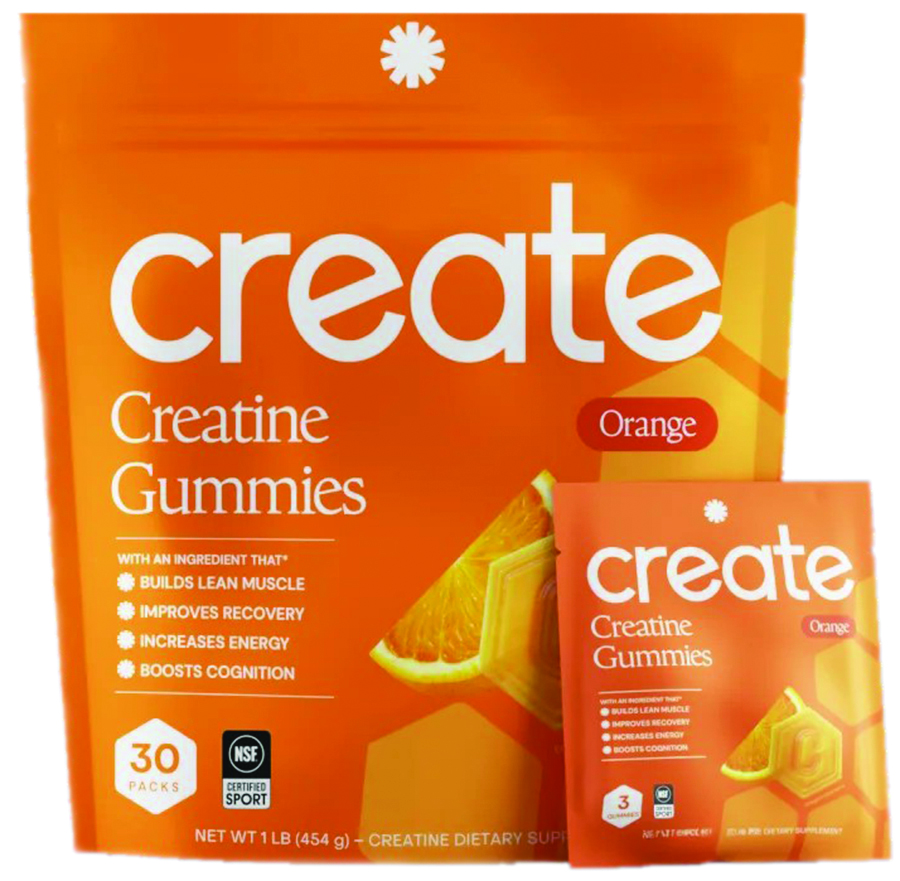
For people who dislike powders, creatine gummies and chews offer another option. They are portable, require no mixing, and are often easier to take on the go. Check out Create Creatine Gummies, which come in a variety of flavors. The biggest issue is serving size. Some gummies contain relatively small amounts of creatine, so you may need multiple pieces to reach your target dose. They may also contain added sugar or other ingredients.
Read the label and compare the amount of creatine per full serving—not just the amount per gummy. Choose gummies or chews with a clearly labeled dose.
Creatine Dosage and Loading Phase
One of the most common questions about creatine supplements is how much to take.
The typical 3- to 5-gram daily creatine dosage can gradually increase muscle creatine stores over several weeks. Some people choose to start with a creatine loading phase. This strategy usually means taking about 20 grams per day, divided into several smaller doses, for five to seven days before switching to 3 to 5 grams per day.
Although a loading phase can increase muscle creatine stores faster, “Most people do not need to do a loading phase,” Smith says. She adds that higher doses can be more likely to cause gastrointestinal problems such as bloating, cramping, or diarrhea.
If you prefer to skip loading, simply taking 3 to 5 grams every day will gradually build up your muscle stores. Consistency matters more than the exact time of day. You can take creatine before or after a workout, or at another time that fits your routine.
What About Creatine for Women and Men?
Creatine is sometimes marketed as a supplement mainly for men who want to build muscle. But creatine for women has also received increasing attention.
Women naturally have creatine stores in their muscles, just as men do. Research suggests creatine supplementation may support strength and exercise performance in women, although more research is needed to understand how factors such as hormones and life stage affect the response.
The basic approach to creatine for men and women is similar: A daily dose of creatine monohydrate is generally sufficient for healthy adults. Also, understand that creatine can cause some initial weight gain because it increases water stored in muscle. This is not the same as gaining body fat.
The Bottom Line
When shopping for the best creatine supplement, you don’t necessarily need the newest or most expensive product. For most people, a well-dosed creatine monohydrate product is a sensible choice because it has been studied extensively, is widely available, and is usually affordable.
Choose a powder if you want flexibility and value, or capsules if convenience is your priority. Gummies or chews may work well if taste and portability help you use the supplement consistently.
Whatever formulation you choose, look for a clearly stated dose, and consider third-party tested creatine for an additional level of quality assurance.
And remember that supplements are not a replacement for a balanced diet, adequate protein intake, regular exercise, and good sleep, Smith advises. She adds that while creatine is generally considered safe for healthy adults when used appropriately, it is still a good idea to talk with your doctor before starting any new supplement.