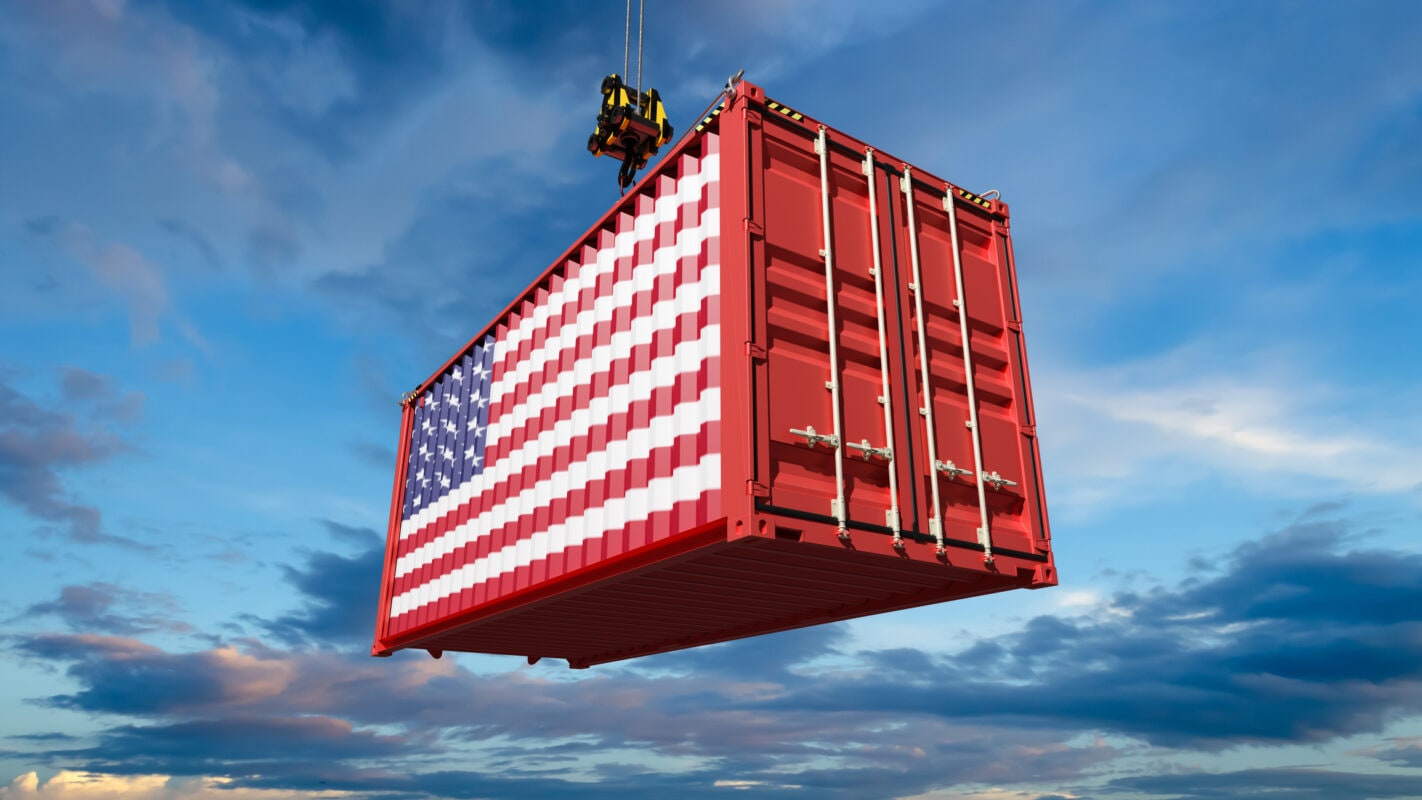
Tariffs made big headlines this year. Until recently, tariffs were typically an arcane international trade issue discussed mostly by economists. But tariffs have been thrust into the mainstream due to their aggressive use by the Trump administration.
Whatever your feelings about tariffs, there’s no question that they’re currently playing a critical role in the US and global economy. Bottom Line Personal asked Rochester Institute of Technology economist Amitrajeet Batabyal, PhD, to explain how tariffs work…
What Is a Tariff?
A tariff is a tax on imported goods. This form of taxation is not new—tariffs are among the earliest instruments of international trade policy. Their use by America dates back to the 18th century. In fact, tariffs were the main source of US government revenue until 1913, when the 16th Amendment was passed and removed the barriers to the imposition of a federal income tax.
Tariffs typically have two consequences beyond generating tax revenue for any nation that imposes them…
Tariffs tend to increase prices for consumers who buy the affected goods
A tariff adds a tax to a buyer’s bill—but precisely how it does this varies. When an individual shopper buys an item directly from a foreign seller—for example, when buying online from an international website—this added charge might be added to the purchase price at checkout…or it may be added by the company that brings the item to the US because it will have had to pay the tariff when it imported the product.
Important: Until recently, US consumers did not have to pay tariffs on modest purchases made directly from foreign sellers—the “de minimis” exemption allowed goods under $800 to enter the US without tariffs or taxes. But that de minimis exemption was suspended in August 2025.
Tariffs are less obvious to consumers who don’t buy directly from foreign sellers—but that doesn’t mean these consumers aren’t paying them. When a retailer imports a foreign-made product that’s subject to a tariff, then sells that product at a US-based store, the retailer pays the tariff—but it likely will pass some or all of the cost of the tariff along to its customers in the form of higher prices. Similarly, when a manufacturer imports a foreign component subject to a tariff, the manufacturer pays the tariff but often increases the price of the final product. Retailers and manufacturers do sometimes absorb the cost of tariffs rather than pass them along to customers, but the higher tariffs rise and the longer they persist, the greater the odds that they will have to increase their prices. So if you were wondering who pays tariffs on imports, in the long run it is almost inevitably consumers who buy imported goods and/or domestic goods that include imported components.
Tariffs tend to support domestic suppliers
When the cost of buying imported goods increases, consumers tend to buy domestically made items instead. Example: If the US imposes steep tariffs on furniture imported from major foreign furniture-producing nations, then US-made furniture, which isn’t subject to those tariffs, will gain a big pricing advantage. US furniture makers have choices—they could keep their prices low to attract consumers away from pricier imports… or increase their prices and earn higher profits.
Digging Deeper Into Tariff Consequences
The summary of tariff consequences above might make it seem as though tariffs offer a solid balance of pros and cons. Imposing tariffs means consumers pay higher prices for certain goods, but tariffs also provide protection for domestic companies and workers…and they allow the government to generate tax revenue without increasing income tax rates. But tariffs also have long-term consequences…
While tariffs support domestic companies, the size of that benefit might be muted by the global nature of the modern economy
Even domestically produced goods often contain imported components these days, which means tariffs are likely to elevate the cost of many items that aren’t imported, at least to a degree.
Proponents of tariffs will note that one of the goals of the tariffs is for the components used by domestic companies to be produced domestically, but that’s not always realistic. Even with steep tariffs, US labor costs are simply too high for domestic manufacture of many products to make economic sense. Moreover, shifting the manufacture of components and other products to the US would require the construction of many factories here. US factory construction is an extremely expensive, long-term investment that few companies are likely to make in response to tariffs, in part because today’s steep tariffs might be dramatically scaled back by a future Presidential administration, potentially in as little as three years. Uncertainty is the enemy of investment.
Another complication: When one nation imposes tariffs on items imported from another, that second nation tends to retaliate by imposing tariffs on the items it imports from the first. Result: While tariffs can boost companies’ domestic sales, they can harm their exports. Proponents of today’s tariffs might respond that the size of the US economy gives us an advantage when negotiating tariffs—foreign companies tend to depend on US consumers more than US companies depend on consumers in any particular foreign market, so tariffs imposed by the US can have a greater impact than those imposed in response. But even a country as economically powerful as the US doesn’t hold all of the cards in trade negotiations. Example: China has a virtual monopoly on certain rare earth minerals required for the production of high-end computer chips, cell phones and cutting-edge military items. That gives China a powerful tool to respond when the US imposes steep tariffs on its exports.
The size and scope of the tariffs might lead to generalized, economy-wide inflation
If inflation rates do indeed climb, the Federal Reserve likely won’t lower interest rates as fast as it might otherwise…which would make it more expensive for domestic companies to borrow money…which likely would lead companies to raise prices to cover this high cost of borrowing…which would fuel further inflation. Inflation did not immediately spike following the recent tariff hikes, leading some to conclude that this inflation risk has been overstated, but that remains to be seen—it can take time for things like this to work their way through an economy.
Some people argue that they prefer tariffs to income taxes
So, if the government must impose taxes to raise revenue, it’s better to do it this way despite the potential downsides of tariffs. But: When governments create a new source of tax revenue, they often fail to trim other taxes. Instead, they just bring in more and, in turn, spend more.
Tariffs will affect international relations
Will imposing steep tariffs on long-term allies such as Canada result in international ill will that has unforeseen costs down the road? And are there long-term political or economic costs to the use of tariffs as a tool to exert influence on other countries’ political decisions, such as the high tariffs the US imposed on Brazil in part due to that country’s prosecution of former Brazilian president Jair Bolsonaro? Nations have rarely imposed tariffs in these ways in the past, so there’s really no way to know.