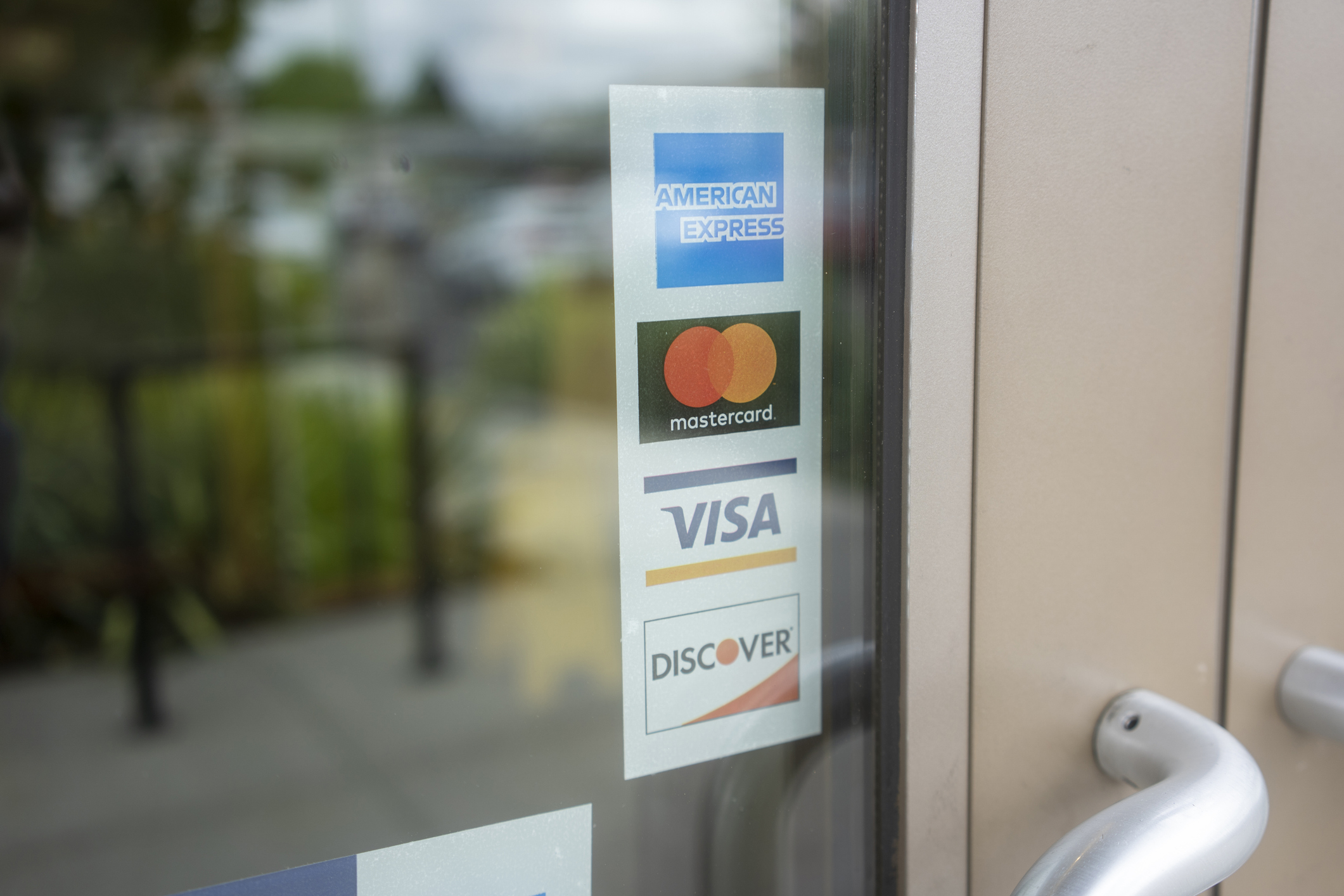
When Americans make purchases with plastic, that card usually sports either a Visa or a Mastercard logo. These two payment-processing networks together command more than 85% of the US credit, debit and prepaid card market.
But does it matter whether a consumer chooses a Visa credit card or a Mastercard credit card? Are there meaningful differences between them? Credit card expert Ted Rossman tells Bottom Line Personal that from the consumer’s perspective, the differences are only modest…
Acceptance. Visa is a larger company than Mastercard, and many more purchases are made using Visas than Mastercards—but that’s not because of any meaningful difference in the number of merchants who accept them. Both companies report acceptance rates of 99% with US retailers, and any US business that accepts Visa almost inevitably accepts Mastercard, too. One major exception: Costco currently accepts Visa but not Mastercard in its stores, though either can be used to make purchases on Costco’s website. Other large companies have occasionally stopped accepting one or the other card as a negotiating tactic, but this isn’t common. Visa and Mastercard acceptance rates are both extremely high abroad as well, especially in regions and businesses that American travelers are likely to visit.
Rates, fees and rewards. Visa and Mastercard’s primary role is to process transactions. That means that neither sets the consumer-facing rates and fees charged by its cards, nor do these companies create their cards’ rewards programs. All of these key card details are determined by the bank or credit union that issues the card, which might be a big bank such as Chase or Citi or a much smaller institution.
Perks. Visa and Mastercard both offer a suite of benefits for their card users. These benefits or perks are distinct from the cards’ rewards programs. Perks might include rental-car insurance, travel insurance, extended warranties on purchases, discounts with certain partner businesses and more. The lists of perks provided by Visa and Mastercard differ, but working out which perks are offered by which credit card isn’t as simple as checking whether the card has a Visa or a Mastercard logo.
Reasons: Both Visa and Mastercard have multiple tiers, each with distinct perks—Visa has “Traditional,” Signature” and “Infinite” benefit tiers…while Mastercard has “Standard,” “World” and “World Elite.” Moreover, the banks that issue Visas and Mastercards frequently include additional perks not provided by Visa or Mastercard and/or skip some perks that are listed for the card’s network and tier…and both networks and issuers regularly modify the perks offered.
Self-defense: Consumers who are counting on a credit card to provide an important perk, such as rental-car or travel insurance, should confirm that the particular card does offer this rather than rely on a list of its network’s benefits.
American Express and Discover—the Other Two Big US Networks
Unlike Visa and Mastercard, American Express and Discover both are credit card networks and card issuers. That makes it easier to make broad statements about their cards.
American Express tends to target relatively affluent cardholders who typically do not carry credit card balances. Many American Express cards and rewards programs are travel-focused, with travel-centric rewards and perks…and many of them have annual fees. There has been a perception that American Express often charges merchants higher fees than Visa and Mastercard, which historically has made some merchants unwilling to accept American Express cards. But these days, American Express reports a similar merchant fee structure and US acceptance rates of 99%, rivaling those of Visa and Mastercard. But abroad, American Express acceptance rates trail Visa and Mastercard.
Discover caters to two types of cardholders—those who prefer cash back to more elaborate rewards programs…and those who carry balances on their cards but also have good credit scores. Discover doesn’t charge annual fees on any of its cards. There’s a widespread perception that many merchants don’t take Discover, but that’s no longer true domestically—it is accepted by 99% of US merchants, just like the other major networks. Acceptance is increasing abroad, too, though Discover continues to trail Visa and Mastercard in this area. Discover cards have no foreign transaction fees, so they are a good payment option abroad where accepted. Note: Capital One recently acquired Discover, but so far there have been no major changes.
Strategy: If you carry multiple credit cards, diversifying between multiple networks could somewhat improve the odds that at least one card in your wallet will offer a particular perk and/or be accepted by a merchant that doesn’t take every type of card, especially when traveling abroad. But which payment network a credit card uses should not be your top priority—it’s more important to choose cards that offer rates, terms and rewards programs that best serve your needs.
Bottom Line Personal interviewed Ted Rossman, senior industry analyst specializing in credit cards, credit scores and other personal finance topics at Bankrate.com.