The legendary singer Tony Bennett left a multimillion-dollar estate to his complicated family…and that led to inheritance turmoil after his death. Bennett had four children with two ex-wives and nine grandchildren…and he was married to his third wife when he died. His two daughters now are suing his oldest son, who oversaw Bennett’s affairs…his other son…and Bennett’s widow.
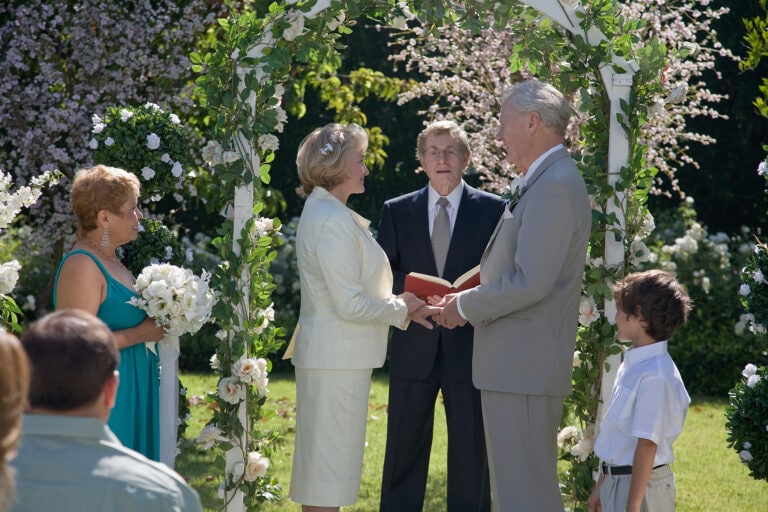
Forty-two percent of all American adults are part of “blended families,” according to a Pew Research Center survey. What does a blended family mean? Typically, it is when one or both spouses have children from previous relationships.
If you have a blended family, your estate planning has much greater potential for conflict because you have to determine how to divide up your assets while navigating multiple loyalties, expectations and, as in Tony Bennett’s case, distrust and estrangement.
Questions you might have to address in your estate plan: What if a surviving spouse needs ongoing access to funds to live on, but the children expect their inheritances immediately upon a parent’s death? What if each spouse brought very different amounts of assets and income into the marriage? How should you distinguish in your estate plan between adult biological children, stepchildren and any new children you have together?
“If you don’t make your intentions in your family estate plan explicit, the law often falls back on a traditional family model that’s inadequate,” warns estate-planning attorney James L. Cunningham Jr., JD. “It’s easy to make mistakes that can cause family members to be cut out unintentionally, and that can ignite resentment, family feuds and legal landmines.”
We asked Cunningham to highlight examples of the biggest mistakes in estate planning for a blended family and his strategies for making sure your wishes are carried out…
Mistake: Assuming stepchildren’s inheritance rights are protected by state law
Even if you raise your stepchildren as your own, most states do not recognize them as legal heirs unless they have been formally adopted or explicitly included in beneficiary designations (e.g., retirement accounts, life insurance policies), trusts or a will. Exceptions: Some states, like Washington, have provisions to prevent assets from going to the state if a stepparent dies intestate (without a will)…and in California stepchildren can sometimes inherit without a will if strict conditions are met, such as the stepparent had a long-standing parent-child relationship starting in childhood.
What to do: To avoid any ambiguity or legal challenges regarding inheritance, use specific language to identify stepchildren in your will or trust. Avoid common phrases such as, “I leave equal shares of my estate to my children,” which may unintentionally disinherit stepchildren.
Mistake: Not addressing who gets the family home
Houses often are the most important asset in an estate plan, and they can pit your surviving spouse against your biological children. Your spouse fears losing the home or winding up at the whim of her stepchildren, while the kids don’t want to wait years to inherit the home from the stepparent or have that stepparent leave it to someone else.
What to do…
Create a “life estate” for the surviving spouse in your will. This gives the spouse the right to live in and use the home for her lifetime and perhaps even rent it out. But that spouse’s interest ends at death. Your children from your prior relationships, known as “remaindermen,” inherit the property when the spouse dies. Your surviving spouse is usually responsible for ordinary expenses such as property taxes, insurance and routine maintenance, while major structural issues may be shared with the children who will eventually inherit the home. Careful: This solution can cause problems if the spouse gets into creditor issues and needs to refinance the home or sell it and move.
Use a Qualified Terminable Interest Property (QTIP). Trusts are more expensive to create, but they allow you to better balance the needs of your surviving spouse and the rights of your biological children. How a QTIP works: It’s an irrevocable trust that controls your assets after your death, including the home and any income those assets generate, such as interest, dividends and capital gains. A QTIP trust can be drafted as “income only” or “income and principal in the trustee’s discretion” or a “unitrust” amount, which is an annual percentage (5%, for example) of the total value of the QTIP Trust. The surviving spouse may receive lifetime usage of the home and income from the trust but typically cannot access the principal. The trustee of the QTIP trust can rent out the property (the trustee might or might not be the surviving spouse). After the spouse’s death, the remaining assets are distributed to the beneficiaries you designated. QTIP trusts are ideal for preventing a surviving spouse from redirecting assets to other heirs, while ensuring the spouse’s financial stability. You can allow the trustee overseeing the QTIP the discretion and flexibility to address unexpected circumstances such as what will happen if the existing family home no longer is suitable for the surviving spouse’s needs.
Mistake: Relying on “I Love You” wills
These are simple estate plans in which each spouse leaves all of his assets to the surviving spouse outright with few or no conditions or restrictions. The assumption is that when the surviving spouse dies, his assets will pass to the children from each marriage fairly and equitably. Problem: This often fails to happen—not because stepparents are evil, but because family relationships evolve and the surviving spouse may remarry or move away and change her will, cutting out your side of the family.
What to do: Use other estate-planning tools to ensure children and stepchildren inherit some of your assets according to your wishes and let you exert some control over the timing of the asset distribution. These tools include…
Life insurance proceeds. Make your heirs the beneficiaries of your policy. If most of your estate consists of real estate or investments, an insurance payout can provide those heirs direct cash without having to argue over what key assets to sell off.
Immediate bequests. Attach a personal property memorandum to your will that you can update as needed. It allows you to pass along family heirlooms that may have emotional value for children from your prior marriages such as wedding albums and jewelry. Bequests can help prevent disputes after your passing and make your biological children feel respected, loved and seen, even if the rest of your estate is divided among the entire blended family.
Irrevocable discretionary trusts. Funded at your death, these trusts can shield a child’s inheritance from a stepparent’s control while allowing staggered or lifetime benefits. The trusts can be tailored to each child’s needs and allow you to write in incentives for the child to gain access to the distributions. Example: A child may not get money from her trust until she graduates from college or reaches age 30.
Irrevocable pot trust. These trusts are useful to avoid the rigidity of separating your assets immediately among your heirs. They are especially effective if you have minor children and grandchildren who have different levels of financial need or are far apart in age. The pot trust holds a single pool of assets for the collective benefit of the children, allowing the trustee the discretion to make unequal distributions based on need. The trust typically remains in place until the youngest beneficiary reaches a specific age—perhaps 18 or 25—at which point the remaining funds are divided
Mistake: Not updating beneficiary designations
Many people who remarry and start blended families update their wills but not other documents. Certain types of assets such as 401(k)s and IRAs and life insurance policies are not governed by your will. Instead, you designate beneficiaries on a form provided by your financial institution. If you still have your ex-spouse listed as the beneficiary of your accounts, she has legal precedence even if that conflicts with your updated will.
What to do: Regularly review all financial accounts and life insurance policies to ensure the correct beneficiaries are named. Changing your beneficiary designations is often as simple as logging into an online account and making the change. Keep in mind: Beneficiaries are not required to receive equal amounts. You can leave different percentages to your current wife, your children and your stepchildren. Be sure to designate secondary beneficiaries in the event that your primary beneficiary passes away.
Mistake: Appointing a surviving spouse or oldest child as trustee overseeing your trusts
This can be problematic if family members are already acrimonious, or litigious, or if the individuals you appoint aren’t particularly strong-willed or hate conflict. Family relationships can cloud judgment and make it difficult to maintain the objectivity required of a trustee.
What to do: Consider an independent trustee such as a bank trust department or a professional fiduciary like a CPA or attorney who specializes in managing trusts
The trustee should know your intentions with respect to balancing the interests of the parties and distribute the assets and income from your estate in accordance with your wishes. In my experience, this greatly reduces family disputes of favoritism or mismanagement. Cost: Professional trustees generally charge $150 to $250 per hour. If you have a very complex trust with assets that need to be invested and overseen, a trustee might charge 1.5% of the total trust value annually.