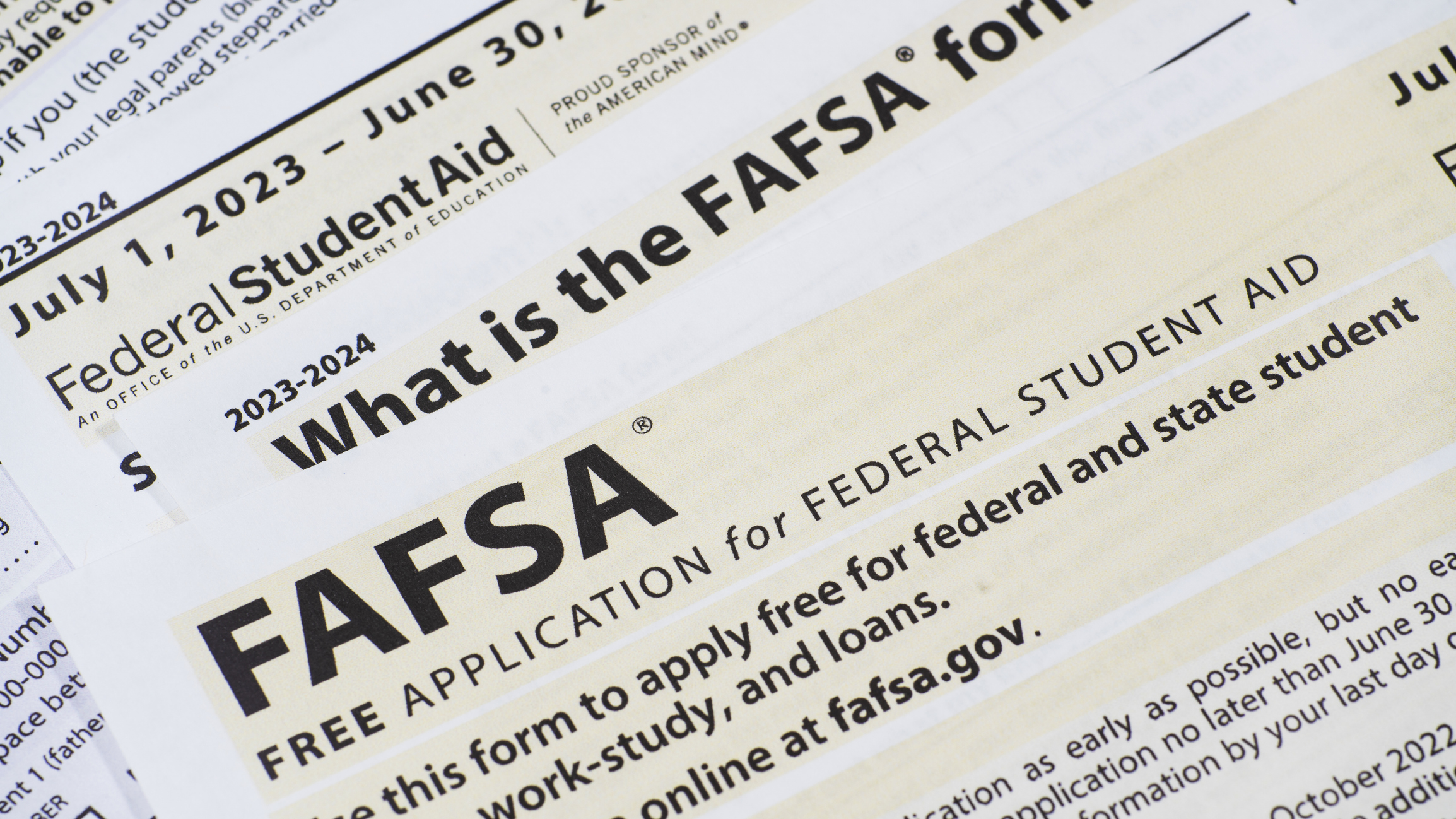
If you have a child approaching college age, you’ve probably heard about “FAFSA,” an important step in securing financial aid. But exactly what is FAFSA? Bottom Line Personal asked student-aid expert Mark Kantrowitz to explain how it works.
“FAFSA,” which stands for Free Application for Federal Student Aid, is the form that a student (and the student’s parents) must file to receive financial aid from the federal government, the state and the student’s chosen educational institution. That aid can be loans that have to be repaid and grants that don’t have to be repaid.
When a student completes and submits the FAFSA, he/she is applying for Federal Pell Grants, typically awarded to students who have exceptional financial need…subsidized and non-subsidized direct federal student loans…Federal Supplemental Educational Opportunity Grants (FSEOG)…Federal Work Study student employment funds…state grants and loans…and institutional aid from the college or university.
When should FAFSA be completed?
The form is filed annually. For college-bound high school students, the first FAFSA should be completed as soon as possible after October 1 of their senior year. Students already in college have from October 1 to June 30 to complete the form for the next academic year, but because some aid is first come, first served, it’s best to file as early as possible.
Who receives the form?
The federal government processes the form, but the data are sent to the student’s state of residence and up to 20 colleges indicated by the student on the FAFSA.
Is it a paper form?
There is a PDF version but only for college students under age 13. Everyone else completes an online version at StudentAid.gov.
How long does FAFSA take to process?
The Student Aid Index is generated immediately, but the FSS takes one to three business days by e-mail. If you omitted your e-mail address from your FAFSA, the FSS may take a week or more to arrive.
Is that it?
Be sure to review the FSS to make sure there were no errors. If there are legitimate circumstances causing financial hardship that aren’t reflected in the FAFSA, you may appeal to the financial aid office of each college or university.