If you’re an experienced traveler, you may have dreamed of some new way to explore an area you love visiting or would love to visit. Barge travel is a growing trend that allows you to cruise in slow, intimate luxury along lesser-traveled waterways throughout Europe. Bottom Line Personal asked Adriane Berg, founder of The Ageless Traveler, to tell us how European barge cruises work.
What is barge travel?
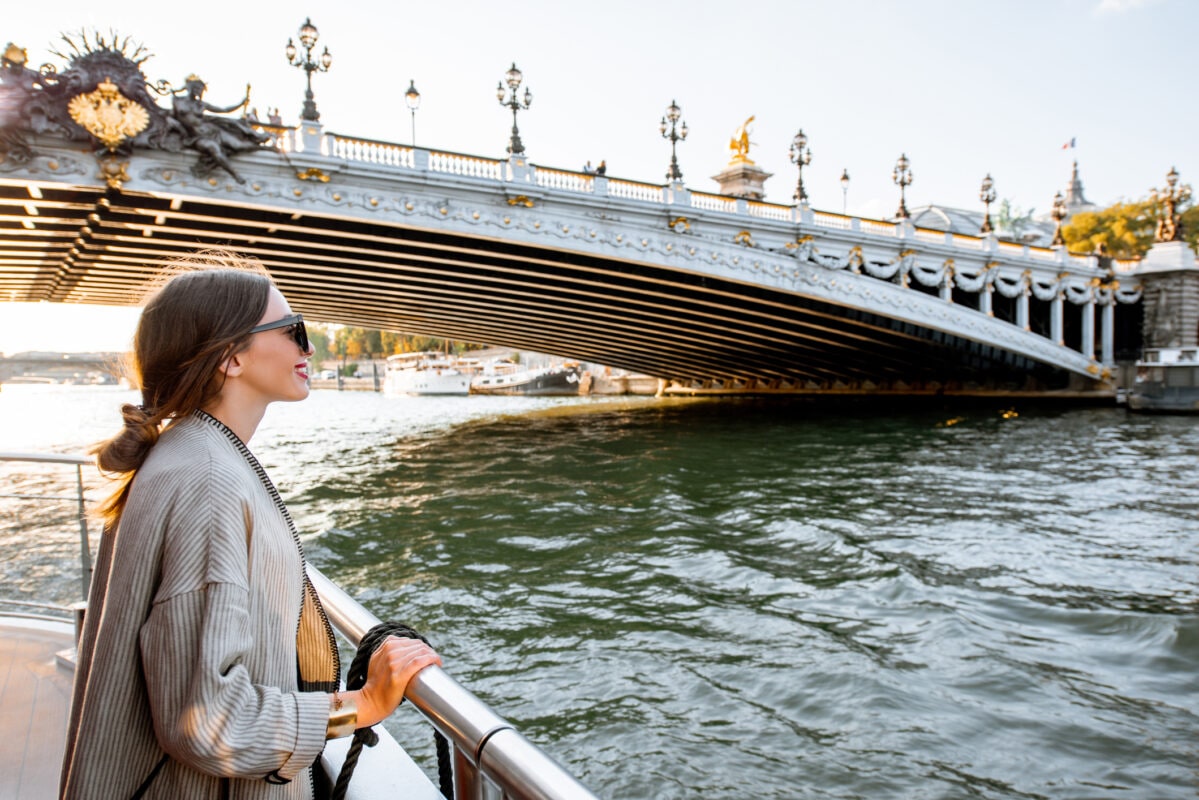
Imagine drifting along a shimmering blue river overhung with willows where fishermen wave from the bank. Then docking and walking through lovely countryside to a picturesque winery and buying a bottle of a delicious Bordeaux. Back at the boat, an exquisite meal with fresh local ingredients is waiting for you. At the end of the day, you lie in the luxurious bed in your tastefully appointed cabin reading about the history of the medieval village you’ll be visiting in the morning. This is barge travel.
What are barge boats?
Cruising barges are a far cry from ocean liners or even from typical riverboats. They’re narrow, shallow-draft vessels, typically 80 feet to 130 feet in length, with just enough room for six to 20 passengers to travel in ultra-comfort. Thanks to their unique design, they can travel narrow, shallow waterways and visit ports that other cruising vessels can’t manage.
What’s on board?
You won’t find climbing walls, ballrooms and swimming pools on board a barge. Instead, most barge boats feature staterooms and suites, galleys, dining rooms, sun decks and observation areas.
Who is barging for?
Any veteran traveler who appreciates luxury and wants to take a deep dive into a place and its culture rather than sticking to the biggest tourist draws. The small number of passengers is great for people who enjoy forging new relationships during their travels. But if mixing and mingling isn’t your cup of tea, you can book a cruise for your family or group of friends so that you have the barge to yourselves.
What are the itineraries?
The typical European barge cruise is seven days. Many travelers take a two-week vacation, sandwiching the cruise between a few days at the embarkation locale and a few at the other end. Example: For river cruises in France, you might spend three days in Dijon, board the barge boat there, and disembark a week later close to Paris, where you spend your remaining four days before flying home.
Barges usually visit one or two villages or ports per day—much of the actual travel occurs at night. Expect some kind of shore excursion each day, from touring a castle to tasting wine to cycling the countryside. Many itineraries are built around specific themes such as village festivals, local art, battlefields or cuisine.
Some popular itineraries: France’s Canal du Midi…a cruise through the Scottish Highlands…a golf-themed cruise in Ireland…an Italian opera cruise…a visit to historical sites from Alkmaar to Delft in the Netherlands…and travel along the Rhine and its tributaries throughout Central Europe.
What is the service like?
One hallmark of barge travel is the highly individualized concierge service. The boats usually have one crew member for every two passengers, and the cruising companies are eager to accommodate requests. Example: On a barge cruise, if you want to visit the village your great-grandparents are from, you can ask the barge company to arrange for an excursion, instead of the usual visit from the port. It is best to make any special requests several days before the sailing. But if a festival or an unexpected near-by event crops up when you reach a port, the captain may be able to accommodate your request on the spot.
The boutique service extends to meals. Barge boats are staffed by fine chefs skilled in the local cuisine who can tailor meals to dietary needs and preferences. The chef goes ashore each morning to collect fresh ingredients for the day’s meals, and passengers are welcome to participate.
How do the prices compare to other boat travel?
Barge cruising typically costs between $1,500 and $6,000 per passenger depending on the class of ticket, length of the cruise, time of year and itinerary. The cruises are generally all-inclusive, which means that meals, equipment, pick up from and to your hotel or airport, and shore excursions don’t cost extra. You are, of course, responsible for airfare and hotel before and after the cruise.
The current leader in European barge cruising is European Waterways (EuropeanWaterways.com). Other notables include CroisiEurope (CroisiEuropeRiverCruises.com)…French Country Waterways (FCWL.com)…Le Boat (LeBoat.com)…and Belmond (Belmond.com).