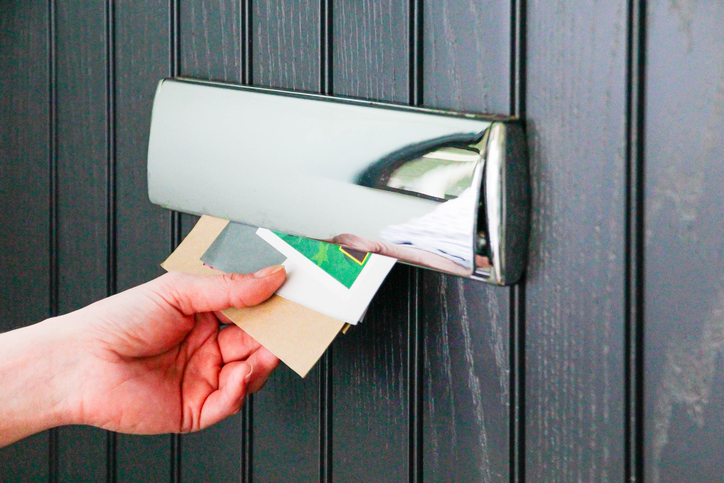
Michigan State University estimates you’ll spend eight months of your life managing junk mail, including the time it takes to open, read, and discard it. In addition to wasting time, junk mail (also known as marketing mail) wastes resources—only 50% of unwanted mail is recycled, resulting in 48 million trees cut down every year simply to be put in the landfill.
Fortunately, there are many ways to reduce junk mail, from consumer services like DMAchoice to changing how you share your information.
However, “it’s important to set realistic expectations,” says Senny Boone, Senior Vice President of the Association of National Advertisers (ANA) Center for Ethical Marketing. “While consumers can significantly reduce unwanted marketing mail, it is not possible to eliminate every mailing.”
What Kinds of Junk Mail Can You Stop?
“Most marketing mail is not random,” says Boone. You often provide your information to marketers whether you realize it or not.
Purchases, subscriptions, and loyalty programs usually opt you in automatically, and it’s easy to overlook. It can be hidden in the terms and conditions or included as a small checkbox that’s already selected unless you uncheck it.
Some of the categories of junk mail you can stop include:
- Marketing Mail: includes coupons, limited-time deals, and seasonal offers from businesses you already shop at.
- Catalog Offers: multi-page booklets featuring a retailer’s collection of products. Furniture, clothing, and supply stores are most common.
- Prescreened Credit and Insurance Offers: letters with exclusive credit card offers or messaging saying, “You may qualify for X amount!”
- Charitable Solicitations: local and national nonprofits sharing news, showcasing their impact, and asking for contributions.
Some junk mail cannot be canceled, such as those required for legal, transactional, or customer service reasons. Political mailings are also exempt.
Some mail is sent to wide geographic areas rather than individual addresses through the United States Postal Service’s Every Door Direct Mail service. Businesses use this to send mail to an entire ZIP code instead of specific households, and there is no way to opt out.
For mail you can cancel, “Taking a proactive approach works best,” Boone says. “A combination of preference tools and direct requests to companies can often produce the most effective results.”
How to Stop Junk Mail from Marketers
One of the best ways to stop unsolicited mail, promotional mail, and marketing mail is to utilize a service called DMAchoice, operated by the Association for National Advertisers, a nonprofit trade organization.
“It helps consumers communicate their marketing preferences in a simple and centralized way,” Boone says. While it won’t eliminate all junk mail, ANA estimates that it can stop at least 80%.
To sign up, go to https://www.dmachoice.org/register.php, enter your personal information and address, and pay an $8 fee.
Once enrolled, participating companies are notified that you no longer want to receive their promotional mail, and you’ll be taken off their lists. Registration lasts for 10 years.
How to Stop Credit Card and Insurance Offers
Credit card and insurance companies utilize the four main credit bureaus—Equifax, Experian, TransUnion, and Innovis—to request the personal information of people who meet their desired credit scores and send them mail offers.
According to the Federal Trade Commission, these prescreened inquiries don’t hurt your credit score, but many people would prefer to stop receiving the mail associated with them.
Services like DMAchoice won’t work for these types of junk mail. Boone says that, instead, “Consumers can opt out of prescreened credit and insurance offers through the nationwide consumer reporting agencies’ opt-out program, OptOutPrescreen.com.”
OptOutPrescreen is completely free and operated by the main credit bureaus. Once you provide some personal information, you will not be eligible for inclusion on their lists. You can then choose a permanent or temporary (5 years) opt out.
How to Reduce Other Unwanted Mail
If you need to stop catalog mail or marketing mail with a company that doesn’t participate in DMAchoice, you might need to contact them yourself.
“One of the most effective approaches is simply contacting the sender directly and asking to be removed from future marketing lists,” explains Boone.
You can do this in a variety of ways:
- Call or email customer service: Ask to be removed from all marketing and promotional communications.
- Fill out an online marketing preferences form: Some companies have a link with a dedicated form that you can use to opt out of their mail.
- Send a return letter: Use the enclosed postage-paid envelope that’s provided with some marketing mail and send a polite letter asking to be removed from their list.
Drafting a request to stop mail offers doesn’t have to be overly complicated. A clear message asking to remove your name from mailing lists is all that’s legally required. Here’s a template you can use…
Please remove my name and mailing address from your postal marketing and promotional mailing lists. Do not share, sell, or rent my information for marketing purposes.
Name: [Full Name]
Mailing Address: [Street, City, State, Zip]
Please confirm that this request has been processed.
Thank you,
[Your Name}
Junk email is very simple to cancel. Under the CAN-SPAM Act, you must be provided with an easy way to remove your information from their list, and the company must process your requests promptly. Normally, there’s a junk mail opt-out link or unsubscribe button at the bottom of every email.
How to Prevent Junk Mail in the Future
After you’ve spent time reducing the current junk mail you receive, you’ll need to be proactive about preventing it moving forward.
The key to this is paying attention to how you share your personal information and what communications you agree to, especially when making purchases, signing up for loyalty programs, entering sweepstakes, or enrolling in new subscriptions.
“Reading privacy notices and reviewing communication preferences can help consumers make informed decisions about how their information is used,” Boone says.
Many times, people are automatically opted into receiving marketing communications. When signing up, look for a checkbox that says something along the lines of “Send me news and updates,” and uncheck it.
How Long It Takes to See Results
Boone says that it’s important to be patient when opting out of junk mail. “Consumers should be aware that marketing campaigns are often planned weeks or months in advance. Even after an opt-out request is submitted, some mail that was already in production may still arrive.”
OptOutPrescreen notifies the credit bureaus that you’d like to be removed within five days of submitting your request. However, they can’t stop preapproved credit card offers that have already been given your information.
DMAchoice also processes your request quickly, but states that it can take up to 90 days to see results.
If, after 90 days, you’re still receiving mail that should have been cancelled, Boone recommends reaching out to ANA directly, and they can help file a complaint with the company that is not complying with your requests.