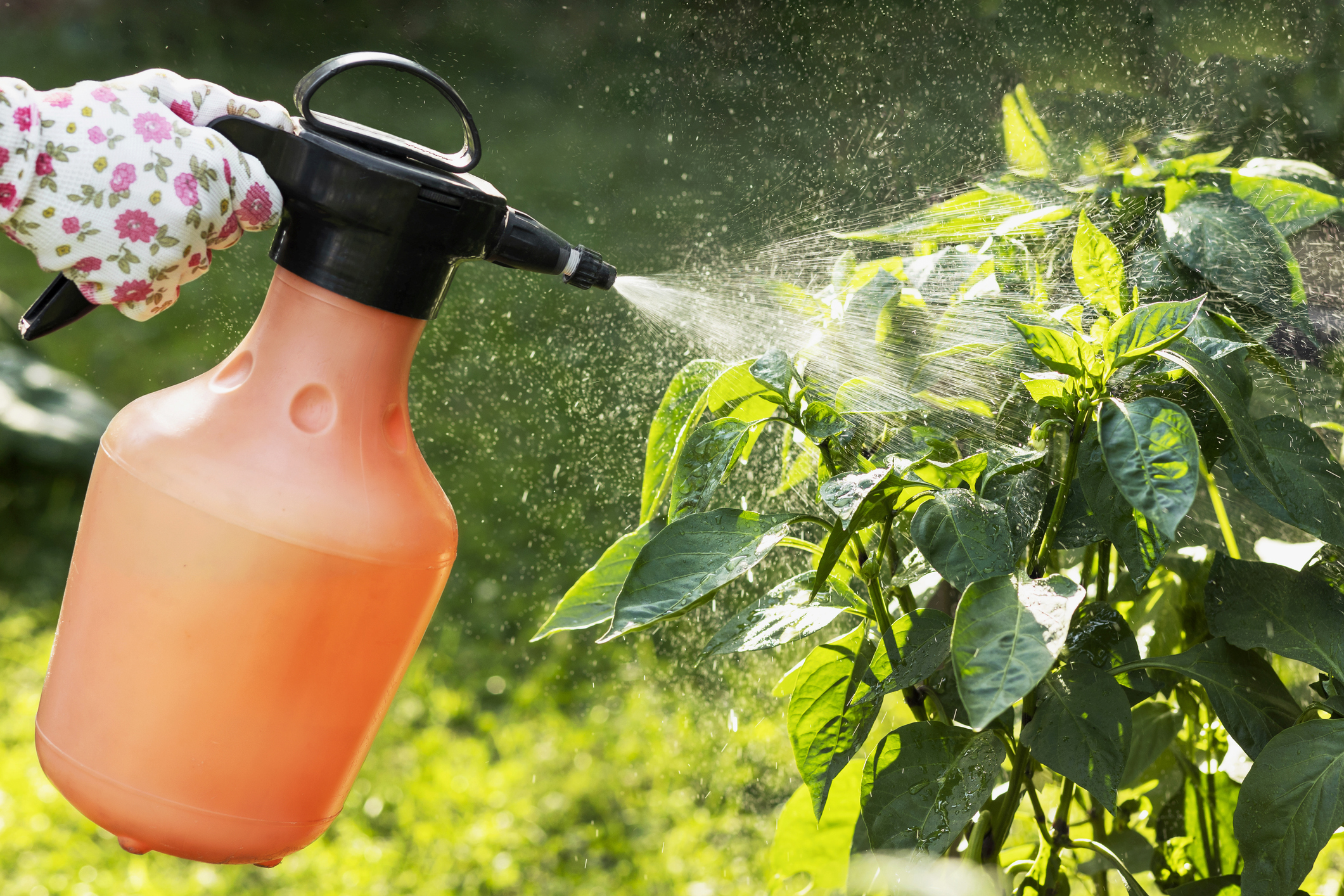
Weeds can interfere with the best-laid garden and landscaping plans. Gardening expert Teri Dunn Chace offers some economical and effective ways to combat these unwanted invaders, plus important safety tips.
Know thy enemy. Don’t spray when you don’t know what you’re dealing with. Identifying specific weeds isn’t difficult. Try a plant-ID app such as Pl@ntNet, iNaturalist or PlantSnap. Or show some samples to a landscaper, gardening neighbor or garden-center staffer.
Find out if your weed is an annual or a perennial…and if it is a member of the grass family (thin leaves) or “broadleaf.” Armed with this information, you’ll be able to pick the right counterattack.
Manual methods. Sometimes weeds can simply be yanked out by their roots—always easiest when the ground is damp. If that isn’t realistic, consider “smothering” them—lay sheets of flattened cardboard, heavy-duty plastic, or clear plastic so that the weeds “cook” (also called “solarization”). Weigh down the covering and leave it for weeks or months.
Consider homemade spray. The classic recipe is one gallon of white vinegar, one cup of salt and one tablespoon of Dawn dishwashing liquid. The vinegar and salt dry out plant-cell membranes…the soap helps the mixture adhere to the plants. Best: Spray it on a hot, sunny day.
This concoction can knock back baby weeds—especially annual and broadleaf ones—but it doesn’t kill roots, and heavy use may harm your soil’s health.
Shop for spray. Start by reading the labels—make certain your weed is on the hit list.
Systemic herbicides are best for perennial weeds because they are taken down into the roots and kill the whole plant.
Contact herbicides vanquish annual weeds but not perennial ones.
Non-selective products harm every plant they touch.
Other products kill only grass-family plants and spare others.
Pre-emergent herbicides prevent weed seeds from sprouting (notably crabgrass and other pesky grasses), so they should be applied on the ground in spring.
Check the concentration. The label will state if a product must be diluted before spraying or used as is.
Downsides to premixed formulations: You’re paying for mostly water and effectiveness declines when excess is stored (because the chemical molecules bind to impurities in water). Buy only as much as you need.
Deploy safely. Always follow the application instructions. Dilute correctly—stronger may not be better and even could be dangerous.
Cordon off the area, and work on a dry, windless day.
Suit up, including wearing gloves, goggles, long pants and closed-toe shoes.
Shield nearby desirable plants with upended boxes or an old towel or tarp.
Keep everyone, including pets, away till the spray dries and/or for the period the label specifies.
Use effective products. Of the many choices, here are ones I recommend, starting with those that are the least dangerous to people and pets…
Sunday Weed Warrior is organic and treats broadleaf weeds and grasses. Its active ingredient is ammoniated soap.
Spruce Weed & Grass Killer. The active ingredients in this non-selective weed killer are corn mint oil and geraniol (similar to citronella).
Green Gobbler Vinegar Weed Killer is non-selective and contains 20% vinegar.
Ortho Weed Be Gone, which contains the herbicide triclopyr, is meant for killing broadleaf weeds in lawns. It spares the grass.
What I don’t recommend because of ongoing safety concerns: Roundup, available in a variety of formulations and concentrations, some with the active ingredient glyphosate. That said, it is the only spray remedy effective against the formidable Japanese knotweed.
Await results. Few weedkillers work instantly, so watch for the results. If it rains or some especially tough customers survive, reapply.