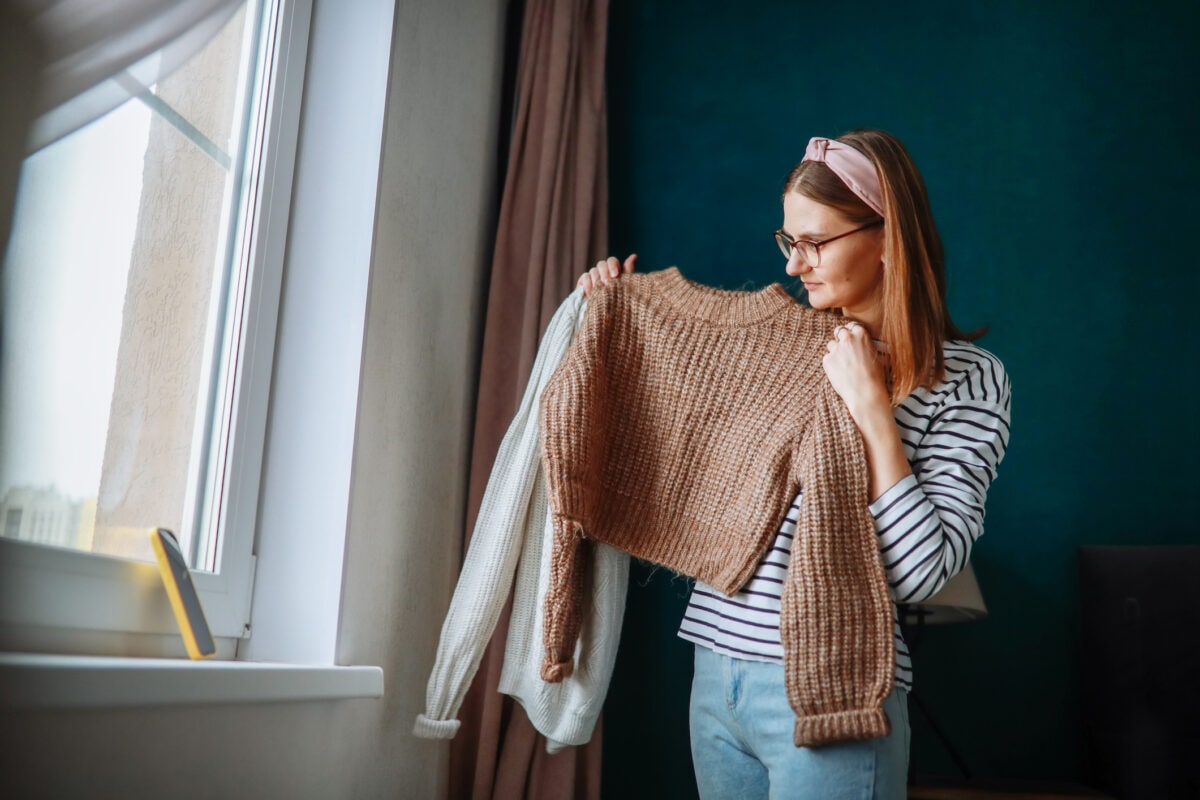
In early 2025, Amazon ended its “try before you buy” policy, whereby Prime customers could try on items at home before committing to purchasing them. Amazon ended try-before-you-buy after several competitors also halted the practice.
Bottom Line Personal asked Jennifer Barger, director of content at the consumer-advocacy organization Consumers’ Checkbook, what to do now that try-before-you-buy has ended.
How it worked
As the retail apparel sector transitioned from brick-and-mortar shopping to an e-commerce model, retailers wanted to overcome shoppers’ reluctance to purchase items they might not like or that might not fit. How could they approximate the in-store experience of trying on clothing before plopping down a credit card?
Their solution: Hold off on charging customers’ cards until they had a chance to try an item at home. If the customer decided to keep it, his/her card would be charged after a specified period (usually about two weeks). If he didn’t want the item, he could ship it back for free.
Why it’s ending
Amazon hasn’t offered much explanation for terminating its program, simply citing shipping costs. The Amazon try-before-you-buy shutdown comes as the company makes other cuts related to shipping, such as ending free two-day shipping for Prime Invitees.
Is anyone still doing it?
The demise of try-before-you-buy at Amazon doesn’t mean it’s ended everywhere. A few apparel retailers still offer it….
Stitch Fix
This company’s basic concept is built around try-before-you-buy. On the Stitch Fix website, you identify your style, sizes and budget, then the company sends you a selection of items it thinks you’ll find suitable…either automatically, on a schedule of your choosing or on demand. You purchase only the items you want to keep and return the rest for free. A $20 styling fee on each delivery gets credited toward the price of any items you end up keeping. StitchFix.com
TrendSend
TrendSend, a direct competitor of Stitch Fix with a very similar model, differentiates itself primarily by sending full outfits rather than individual items. It also claims expertise in fitting, particularly with denim. You have five days to decide what you’ll keep. A prepaid shipping bag is included for returns. Each styled box includes a styling fee—the first is only $1. After that, the fee is $20, which is nonrefundable and nontransferable, but is applied as a credit to any items you choose to purchase. TrendSend.com
Billy Reid
Men’s and women’s fashion company Billy Reid lets customers try on six items at home and return unwanted items within seven days. If you keep or exchange at least one item, return shipping is free…but if you return all your items, you’ll pay $18. BillyReid.com
Not As Big a Loss As It Seems
The decline of try-before-you-buy may seem like a big blow to consumers, but it’s really not. Given the generous return policies of most retailers, try-before-you-buy appears mostly to be a marketing gimmick designed to nudge shoppers over the psychological barrier of having their credit cards charged now instead of later. But think about it—would you rather have five days to decide whether you’ll keep an item…or 30 days, which is a typical return window for most companies? And keep in mind that if you buy an item online, the purchase won’t hit your credit card statement for 30 days anyway.
What Are the Alternatives?
There are plenty of other strategies to ensure you buy merchandise you actually want…
Buy two…keep one
If you’re not sure about getting the small one versus the medium, buy both and return the one that doesn’t fit. Be sure to check the return policy first. To avoid fees: Return items at the store whenever possible.
Sizing aids
More and more retailers, including Amazon, offer artificial intelligence–driven apps that help you achieve proper sizing. Others let you chat with a stylist. There’s also a free tool called True Fit to help you with fitting at hundreds of online retailers. These tools aren’t perfect, but they’re improving.
Read reviews
Even within a brand, sizing can vary significantly. Find out what other customers have said about how well items fit before you buy.
Shop in stores
Brick-and-mortar still exists, so whenever possible, buy items in stores and avoid fees for shipping. This also reduces the environmental impact of transport and also cuts down on the tons of returned clothing that ends up in landfills every year.