If you want to refresh and beautify your yard but you aren’t sure how to begin, “think broadly,” advises gardening expert Teri Dunn Chace. “Landscaping involves more than plants—it’s also context.” Try some or all of the following practical ideas to make a change for the better. In the process, you’re sure to create curb appeal and raise your property value.
1. Start with a plan
Assess your yard first. Take clipboard, paper, and pencil outside to make a simple sketch that includes your house and any outbuildings…locations of trees and other larger plants…and general north-south directionals. Note sunny and shady areas. Your drawing doesn’t have to be precise or look professional, but try to make it approximately to scale.
“Let your ideas marinate,” Chace urges. She suggests looking more closely at yards you admire in your neighborhood or online (check out the websites of landscaping firms in your region or inspiring Pinterest images). All this gets your creativity going, while basing a plan in reality.
2. Choose low-maintenance plants
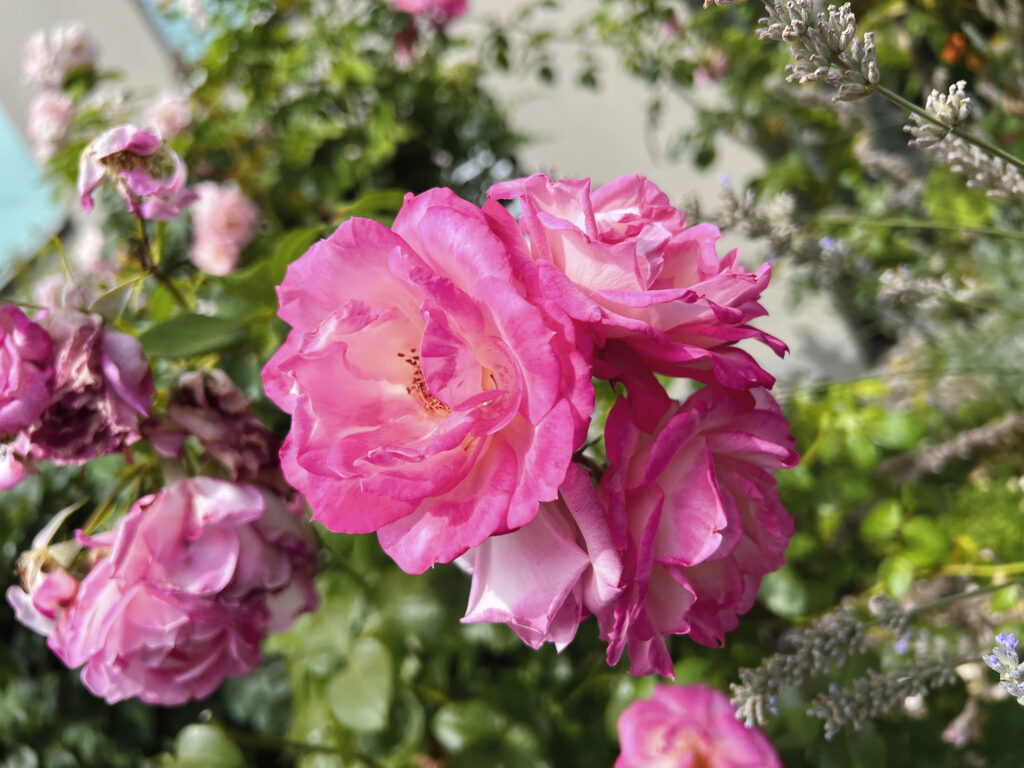
Plants that aren’t fussy make enjoying your yard easier. When shopping, make sure your selections don’t require a lot of watering, fertilizing or pruning (for example, avoid diva roses in favor of easy-to-grow ones). The best candidates are adapted to your soil and climate, including native shrubs, groundcovers and flowers. Ask at your local garden store for suggestions.
3. Create functional zones
Try borrowing a page from interior design—devote areas to different uses. Note these on your sketch to make sure they fit. “Proceed in sections,” Chace suggests. “One well-done smaller area brings a feeling of success, and then you can move on to other projects later.”
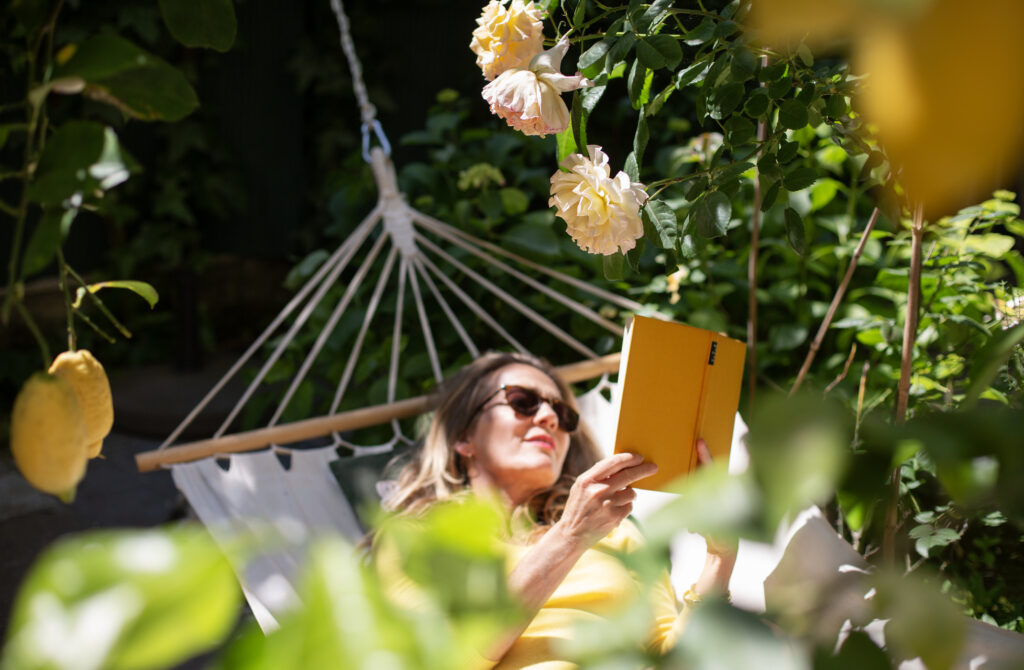
Areas close to the house lend themselves to relaxing (invest in new outdoor seating or a hammock) and entertaining (table and chairs, a grill). If there’s no adjacent shade trees, consider defining and helping to shelter an area with a pergola, fencing or a hedge. Or use long planter boxes or larger pots to establish boundaries.
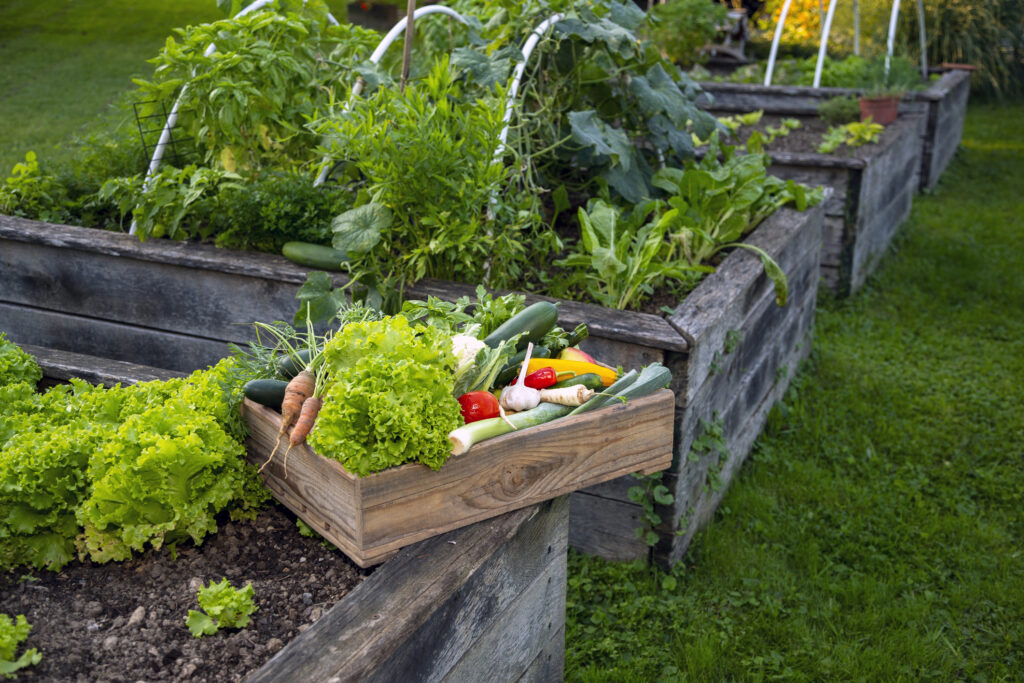
For flowerbeds or a vegetable and/or herb bed—either in the ground or using attractive raised beds, prioritize sunny spots that have a water source nearby. Keep the size manageable for you. If you have kids, designate an easily visible, ample play area.
4. Add a focal point
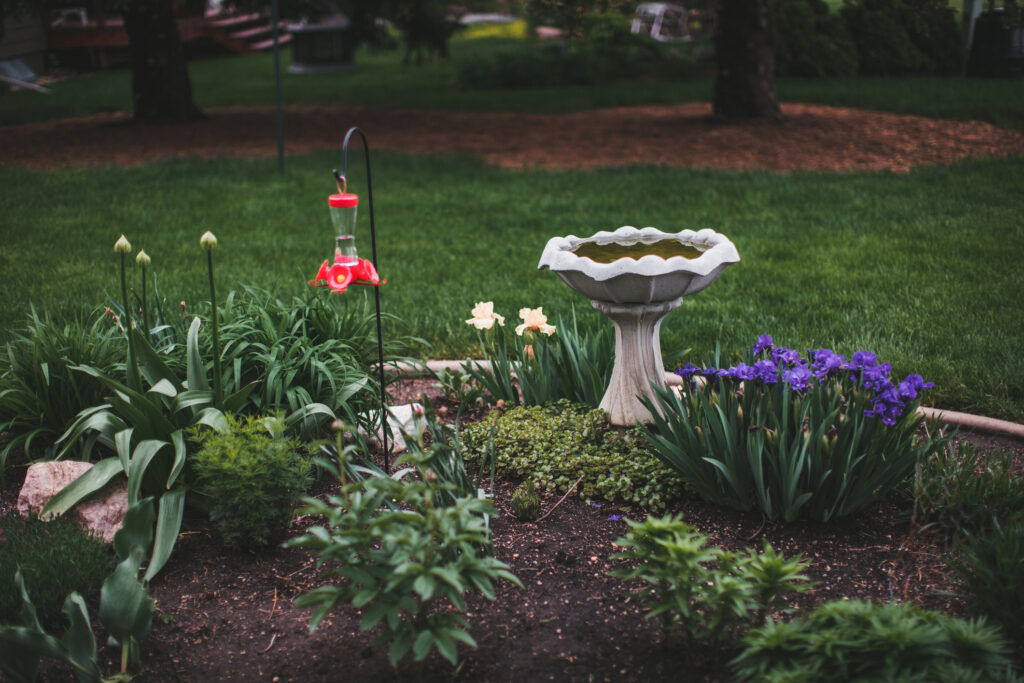
One of the easiest ways to immediately make your yard more compelling is to highlight a dramatic item or spot. Place a fountain, statue or sculpture…or set up a large pot or urn that will overflow with lush growth and bright blooms. Whatever you choose, its size or color should command attention, drawing and delighting the eye.
5. Incorporate pathways and borders
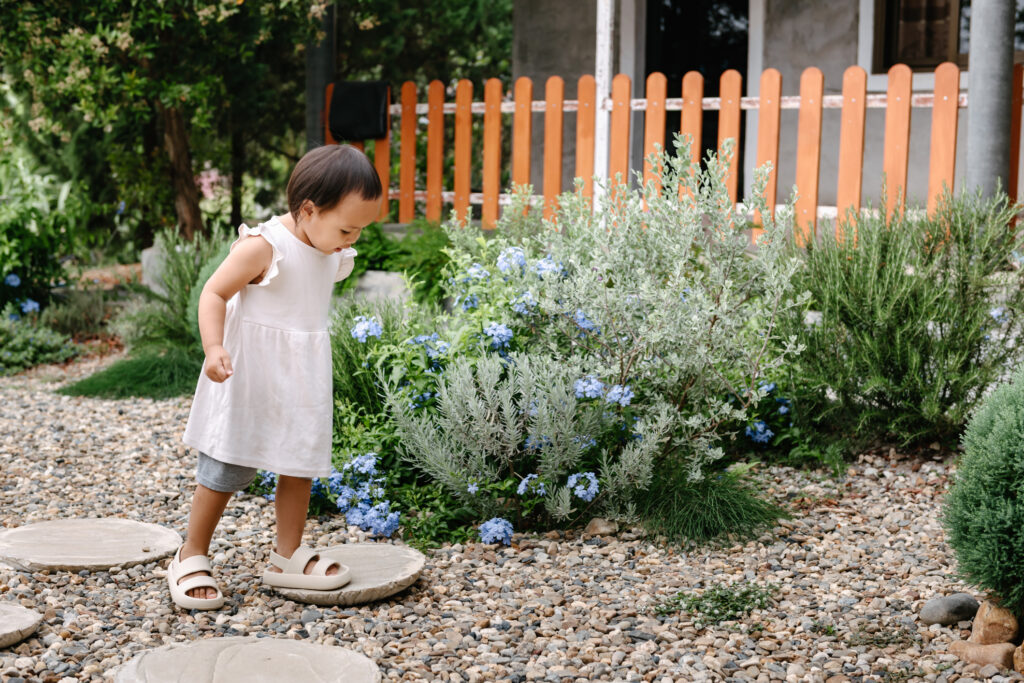
Define edges, and make paths wide enough for comfortable walking. Have them curve or meander around existing plants, strategically placed pots or larger items—this invites exploration. Your yard will become not only more interesting but will seem bigger. Check YouTube videos for advice on layout ideas, materials (such as flagstones, bricks, stones and gravel) and installation.
6. Use mulch for health and esthetics
Mulching garden areas or beds does double-duty—it has both visual appeal and practical advantages. Mulch immediately helps a garden area look integrated and tidier. It also suppresses pesky weeds and holds in soil moisture so your plants prosper and don’t need to be watered as often. Get an attractive organic material, such as bark chips. Avoid dyed chips, which fade and leach into the ground…or use a layer of pebbles (great for succulent displays).
7. Embrace vertical gardening
A garden looks lusher and more inviting if it “grows up.” Include vines and climbing plants. This is especially transformative in small spaces.
Plant climbers at the base of a fence or simple trellis, and let them “decorate” it. Erect wall planters or window boxes, secured with screws, nails or wire to the side of a building, fence or porch at eye level, then fill with colorful cascading plants.
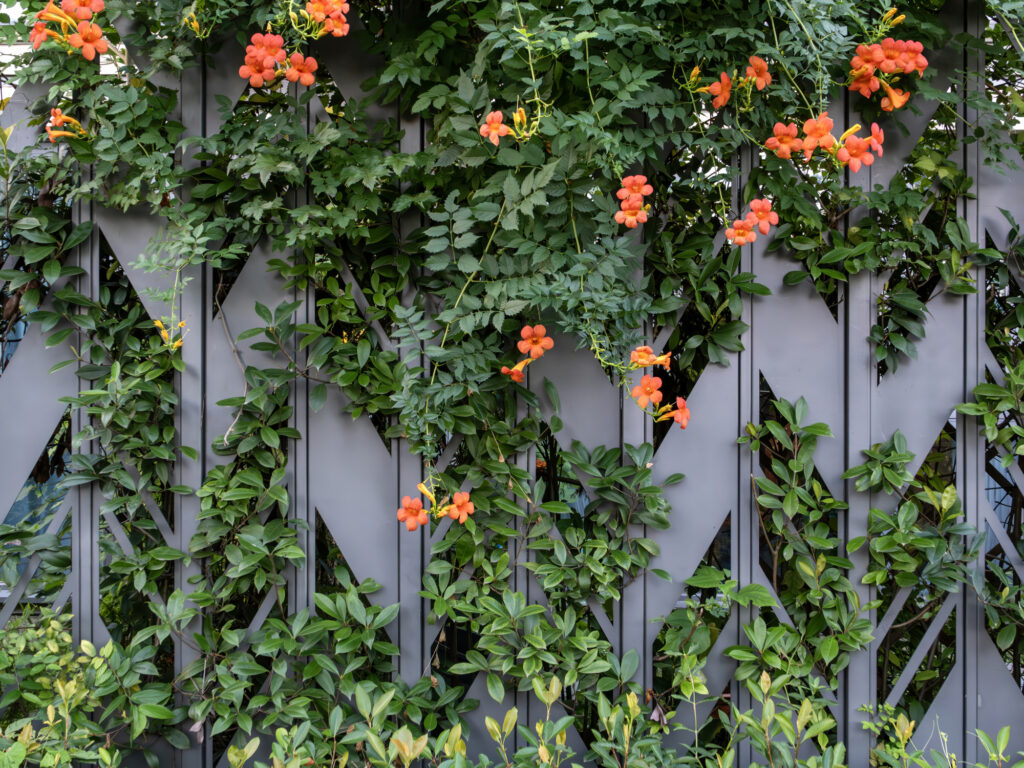
If you have the space and are willing to make a bigger investment, set up one or more sturdy trellises, an archway or even a pergola. There are many quick-growing plant choices, including morning glories and hops. Or select a climbing rose or clematis, understanding that it will take a few seasons for the plant to fill in and reach its full glory.
8. Make it sustainable
Aim for an eco-friendly yard by reducing the amount of space devoted to resource-hogging lawn grass. Instead, put in swathes of plants with similar needs for water or light—a scheme that looks good and doesn’t require intensive maintenance.
Spend less time and use less water by installing an irrigation system or at least running a “leaky hose” through a bed.
Cut back on or stop buying bagged compost and soil mix. Instead, set up your own compost pile, which not only reduces outgoing organic waste but creates a constant supply of free nutrient-rich material to spread around in your garden.
Finally, favor tools that don’t consume fossil fuel or electricity or create noise pollution. Rake or pick up rather than leaf-blow. Discover the efficiency (and friendly sound) of a well-sharpened reel mower or hand shears.
9. Add lighting for ambiance and safety
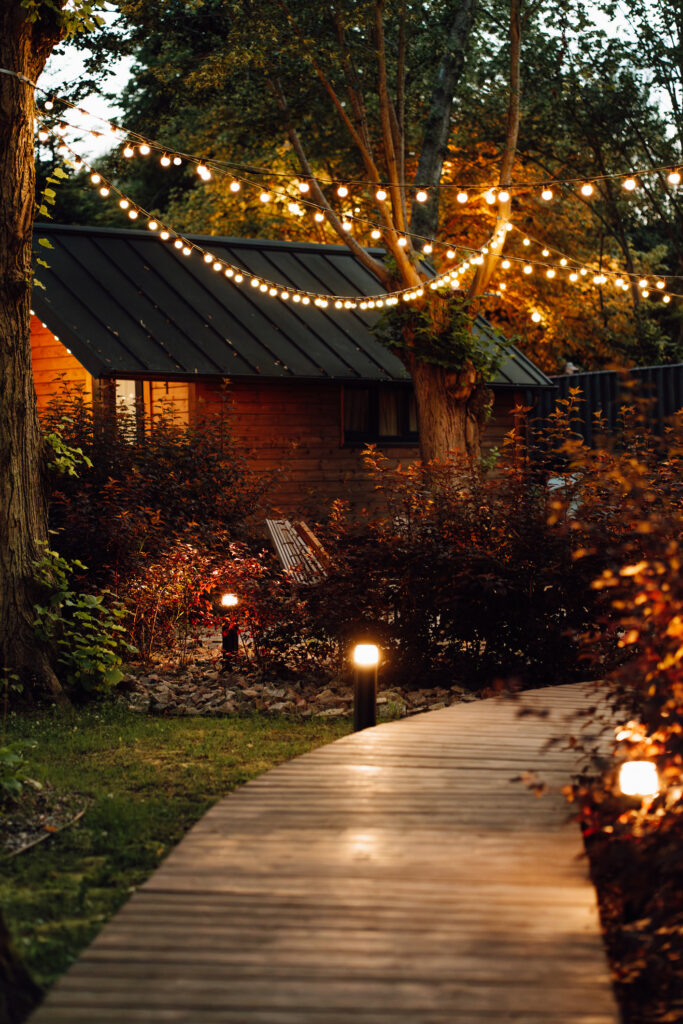
Garden lighting not only improves safety for you and garden visitors…it highlights favorite features to make your yard magical in the evening hours. Place lights along steps or pathways, up-light large trees, ring a focal point, or festoon a porch, deck or arbor. Practical solar-powered LED options abound. Reminder: The more you spend, the better the quality and longevity.
10. Personalize with decorative elements
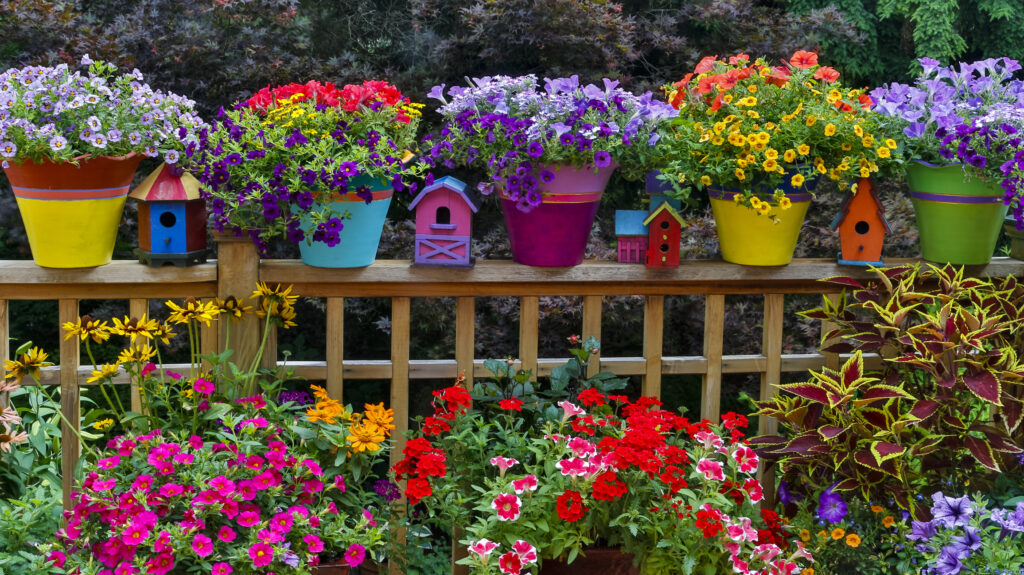
An appealing home landscape is always made up of more than plants. Décor helps you create a style you like and injects color you can count on while flowers cycle in and out of bloom.
“Adding items that harmonize with your home’s architecture and color works wonders,” Chace reminds. Consider garden furniture and/or sculpture pieces…décor such as birdbaths and birdhouses…gazing globes…banners…colorful pots…or even just little figurines or decorative tiles. Inject the element of sound with tinkling wind chimes or a small fountain.
Budget-Friendly Landscaping Tips
Here are a few good ways to spruce up your home landscape without overspending…
- Mow and fertilize less by reducing your lawn area. If a full-on garden area will be too much work for you, put in a low-maintenance groundcover.
- Deploy efficient watering tricks. Water less often but more deeply to make your plants more self-sufficient. Use a trowel or shovel to route drainage water toward garden areas. Irrigate in the morning to minimize evaporation.
- Scavenge, reuse, recycle. From rocks and old bricks to discarded household items (from tea kettles to boots), you can make your own edgings, pots and whimsical décor.
- Buy and nurture small plants—they’ll grow! Trade with other gardeners for plants, seedlings and cuttings.