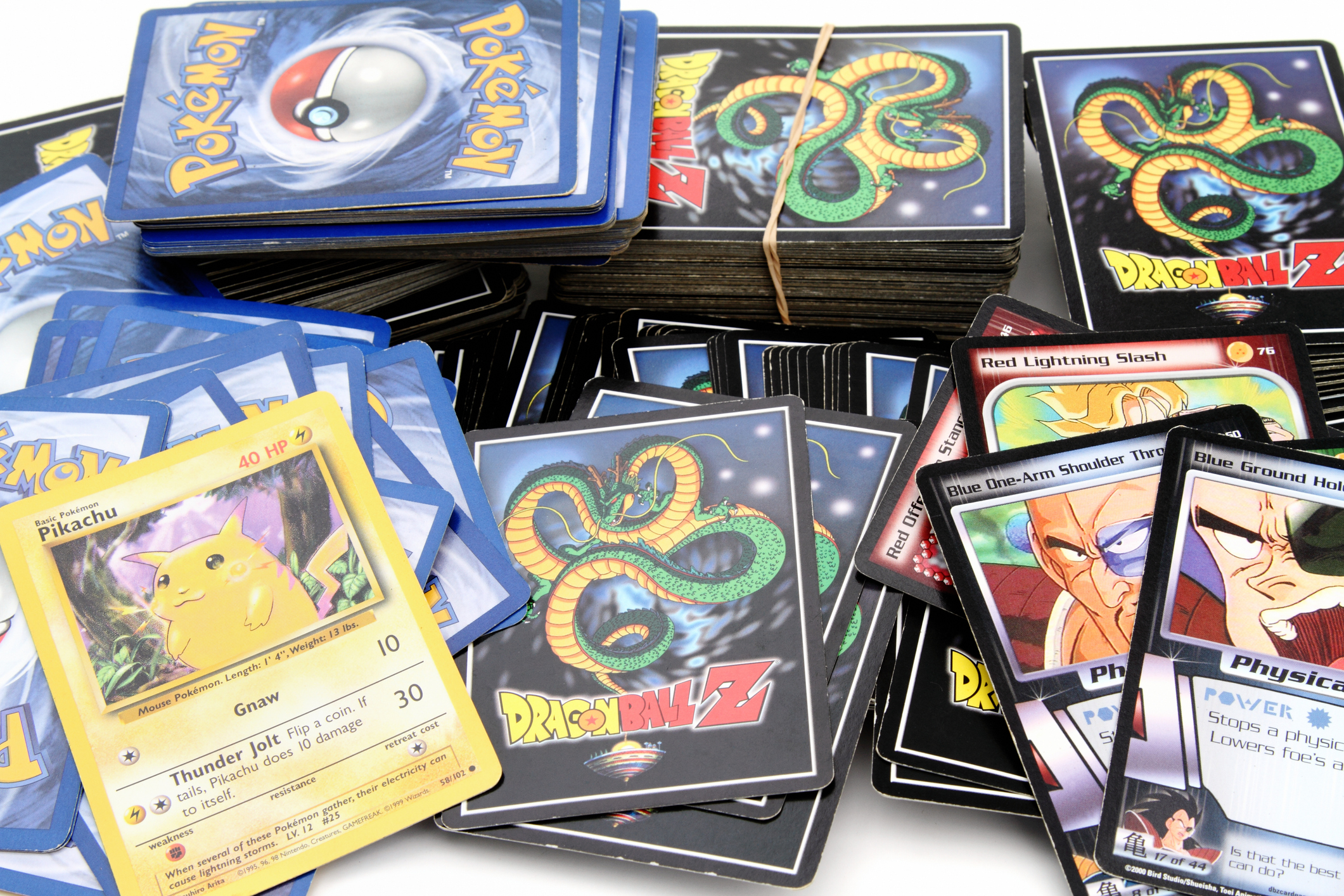
The stock market has risen nearly 500% in the past two decades, but another investment has done much better—and it might be in a shoebox in your attic. An index of rare Pokémon cards over the same two decades is up more than 3,800%.
Pokémon is a Japanese franchise of videogames and colorful trading cards launched in the late 1990s featuring cute cartoon monsters that are captured by players and trained to battle each other. A recent nostalgia craze among young adults has driven up the value of Pokémon cards. The most expensive Pokémon card—a Pikachu Illustrator card in perfect condition—was sold in 2021 for $5.275 million to YouTube influencer Logan Paul.
While those types of Pokémon cards are exceedingly rare, your own collection still could be worth hundreds, even thousands, of dollars. What you need to know to get started…
Start by flipping through your collection, focusing on five criteria that influence the scarcity and demand for Pokémon cards…
Character on the card
There are more than 1,000 Pokémon characters, but the earliest ones are the most iconic and sought after. They include Charizard, an orange dragon capable of breathing fire…Blastoise, a blue tortoise with water cannons on its back…Pikachu, a chubby yellow rodent that can release large amounts of electricity…and Mewtwo, a purplish feline-like Pokémon with psychic powers.
Card’s set symbol and number
Each card is part of a set issued in a given year. A small symbol at the bottom of a card indicates the particular set. You can find a list of Pokémon set symbols at CardMavin.com. Note: The base or initial sets issued in 1999 and 2000 are the most valuable, and they have no symbol. To determine the value of those earlier cards that don’t have a set symbol, look for the year the card was printed and the set number of the card. The card may contain a first edition stamp, which can be found halfway down the card on the left. Look for an identifying number at the bottom of the card indicating its position in the set (e.g., 25/102). A collector number higher than the total number of cards advertised in the set (e.g., 107/105) identifies a “secret rare” card that is more valuable.
Rarity symbol
Every Pokémon card is marked with a small symbol indicating how rare it is within a particular set. The rarer a card, the higher its price. The symbols include a Black Circle indicating the card is very common and probably worth just a few pennies…a Black Diamond indicating an uncommon card worth a dollar or more…and a Black Star indicating a rare card worth $10 or more.
Type
Some Pokémon cards are holographic, or “holo.” They have a shiny, reflective finish, typically on the image of the Pokémon. The finish gives the card a 3D look and adds to its value. Reverse-holo cards have the foil applied to every other part of the card, including the border and background, but not the Pokémon’s image.
Condition
Condition is extremely important to collectors. Cards lose value if they are bent, scratched or have frayed corners.
How Much Are Your Pokémon Cards Worth?
No official price guide exists, and valuations fluctuate, so it may take some time and effort to determine the value of your cards. Check reputable marketplaces to see what your card has sold for recently. Look for your card’s name, set and number at websites such as ebay.com (search under “Sold Listings”). Or: Download the dedicated Pokémon TCG app on your smartphone or go to TCGplayer.com—the app allows you to scan your card’s image to estimate its value. You also can search for recent sales on AI-search engines.
How to Sell Your Pokémon Cards
Buyers worry about forgeries and bogus merchandise, so your cards will be worth more—and be much easier to sell—if you have them professionally graded.
How it works: Send your cards to Professional Sports Authenticators (PSAcards.com), one of the world’s largest and most respected third-party authentication and grading companies for trading cards and memorabilia. PSA assigns an official condition score to your card on a scale of 1 (poor) to 10 (perfect). Turnaround takes about 30 to 45 days. Important: Getting Pokémoncards graded costs $30 or more per card, so it makes sense to grade only higher-value cards.
The best place to sell individual cards is to list them on eBay or TCGplayer. Those sites have the largest user base and the most prospective buyers. Make sure you post clear, high-quality images that showcase the condition of your cards.
If you want to sell your card collection in bulk, consider services like Sellccg.com, which will offer you a percentage of the value based on TCGplayer prices. Or visit a reputable local card/collectibles dealer—dealers may not offer as much money as other collectors, but you’ll still make money without the hassle of having to sell individual cards yourself.
If you have multiple, high-value cards, contact a large collectible auction house such as Goldin (Goldin.co) or Heritage Auctions (HA.com).