The earliest evidence of jewelry dates back 25,000 years to a simple fish-bone necklace found in a cave, according to the International Gem Society. Today, jewelry is among our most treasured personal possessions, whether it’s worn around our necks, displayed on our hands or wrists, or locked away in a safe or safe-deposit box. In some cases, a piece of jewelry can be worth hundreds or even thousands of dollars, so selling it can be an attractive option for those who want some money in their pocket.
With gold prices reaching record highs this year, many people have become interested in selling their pieces. To help you navigate the selling process, we spoke with Steven Billig, owner of Billig Jewelers in Marlton, New Jersey, for his advice on how to get the best price for jewelry, including tips on where to sell it…how to present it…and how to determine what a piece of jewelry is worth before you start.
Understand the Value of Your Jewelry
If you have a longstanding relationship with a trusted jeweler, it is usually safe to bring in the pieces you are considering selling without knowing their value. But, Billig says, “Have some idea of what the value is if you don’t have any relationship with the store you’re going into.” A rough estimate ensures you’re not taken advantage of and that you get the best price for your pieces. How to determine the value…
Identify what you have
Your first step, says Billig, is to see if you have any paperwork—perhaps an appraisal letter…a grading report…an old receipt…or an insurance document. These documents serve as proof of authenticity and provide a baseline value for negotiation.
Get a professional appraisal. If you don’t have any documentation, Billig recommends going to your local jewelry store to get an appraisal. People have two options for appraisals…
- Verbal estimate of value is when the seller simply wants a ballpark figure of what the jewelry is worth. He/she will receive a rough idea from the jeweler on staff, usually at no cost.
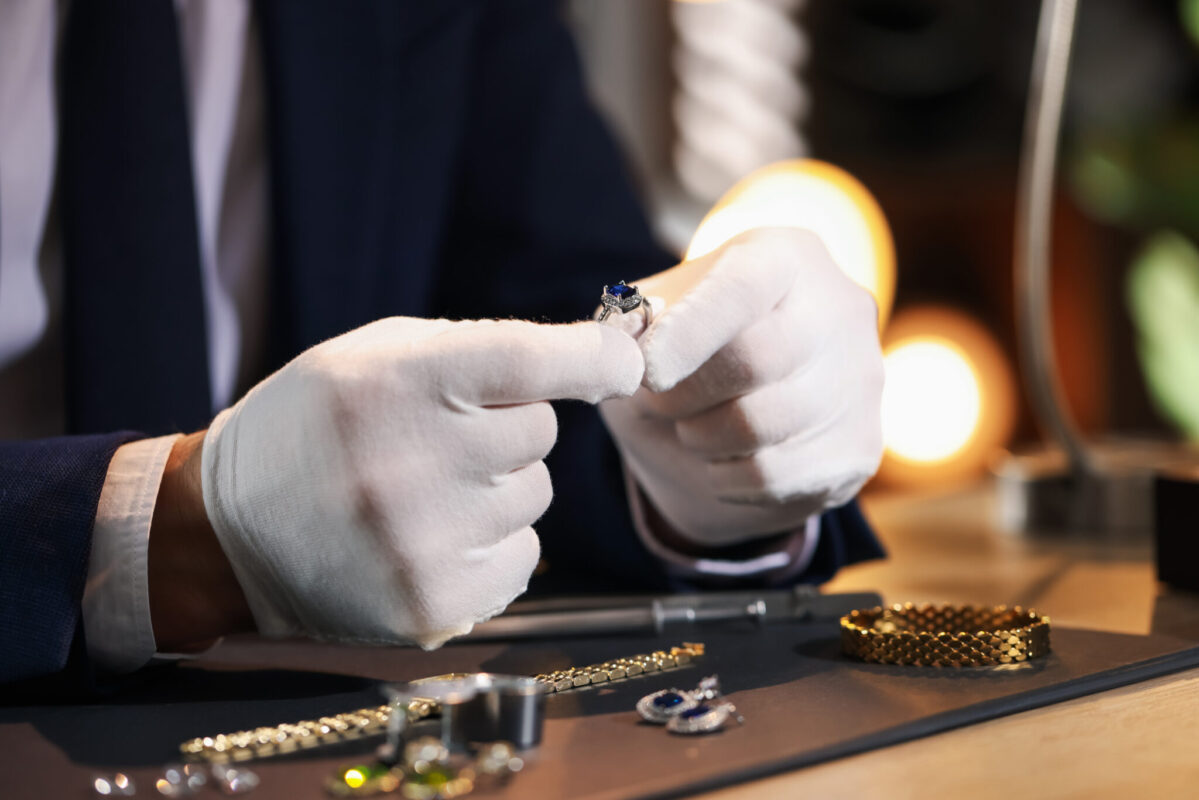
- Formal appraisal requires the jeweler to analyze the piece. This more involved process could cost anywhere from $50 to $150 and can take one to two weeks, depending on whether additional research is required. “The appraisal should include the details about the metal, gemstones, measurements, weights and overall condition of the piece,” he says.
Billig recommends looking for an established local jeweler with a longstanding reputation and strong customer reviews. You can also visit the Gemological Institute of America (GIA) website at GIA.edu to learn more about the Graduate Gemologist (GG) credential, which is one of the most respected certifications in the jewelry industry. A Graduate Gemologist is trained to identify and evaluate diamonds, colored gemstones and pearls, as well as assess the precious metals and craftsmanship of fine jewelry. He/she can appraise most types of jewelry, whether it contains gemstones or not, and provide a thorough evaluation of the piece’s quality and value.
Factors that affect jewelry value
When it comes to jewelry, people often don’t know what they have, especially when the jewelry was inherited from a family member and doesn’t come with any paperwork. Billig says, “I’ve seen pieces that people thought had absolutely no value at all actually be valuable. I’ve also seen the other side of that, where someone comes in thinking a family member left them something valuable, and unfortunately, it doesn’t turn out that way.”
Ultimately, the value of jewelry comes down to these factors…
- Quality of the diamond or gemstone. This is the most important factor if you’re wondering how to sell diamond rings. The value of the stone is determined by cut, color, clarity and carat.
- Type of metal. Gold, silver and platinum are the most common metals used for jewelry. The karat (or weight) of the metal also is evaluated.
- Brand. Jewelry from a reputable name, such as Tiffany or Cartier, is more valuable.
- Overall condition. Are there lots of scratches and imperfections? Missing stones? Corrosion? The more wear and tear the item has, the less it’s worth.
- Market demand. Jewelry trends change over time, and the popularity of a piece can influence its value. Example: Billig says that pearls are becoming popular again, even though they were rarely brought into stores just five years ago.
Decide Where to Sell Your Jewelry
The best way to sell jewelry will be different for each person. It all depends on how long you’re willing to wait for a sale…how much work you’re willing to do yourself…and how important it is for you to get the highest possible price. In general, there are three main avenues…
Local jewelry stores and buyers: If you are looking to sell jewelry for cash, local and trusted jewelry buyers near you typically are the easiest and fastest option. “You get immediate payment,” Billig says. You don’t have to ship the jewelry to a buyer. Fraud and scams are not a concern, because the jeweler handles your piece right in front of you. But there is a downside: You might get less for your jewelry than other selling options (below) because the jeweler has to have room for profit and account for repairs or other resale costs.
Online marketplaces: “You definitely would reach a larger audience with an online marketplace, and you may achieve a higher price on certain items,” says Billig. Examples: eBay, Facebook Marketplace, Craigslist and specialty jewelry marketplaces such as Worthy. Downsides: It might take longer to make the sale. Also, if you’re listing the piece on your own, you’re responsible for managing it, responding to inquiries and shipping it once someone buys it. And when selling jewelry online, you have to worry about scams like chargebacks, when someone purchases the item, receives it and then disputes the charge with his/her credit card issuer.
Auctions and consignment options: Auctions and consignment sales “can definitely produce strong results for unique items, antique items, pieces that were made by well-known designers or rare pieces,” says Billig. Downside: This is the slowest method of selling jewelry, and there’s no guarantee that it will ever sell. It’s common for pieces to sit for months without any interest from a buyer.
How to Prepare Your Jewelry for Sale
The first and most important step is to gather the documentation. “The more information you provide, the easier it is to evaluate a piece,” Billig says. This is especially important for determining the size of the stone or diamond, since a jeweler can’t weigh this without removing it from the piece itself. Having original boxes can also be beneficial.
“Honesty and presentation matter,” Billig says. Don’t try to clean or repair things in a way that hides damage. A simple cleaning with warm water and mild soap will work well for most diamond, gold and platinum jewelry. But delicate gemstones such as pearls, opals, emeralds and certain antique pieces require specialized care. If you are unsure, it is best to have jewelry professionally cleaned by a trusted jeweler.
Tips to Get the Best Price
Get an idea of price
Before selling your jewelry, look online for comparable pieces to get an idea of price. If you walk into a shop and are offered much less than what you saw online, “You should ask why there’s such a large difference in price,” Billig says. Prior research also puts you in an informed position to negotiate.
Time it right
Billig suggests selling pieces two to three months before the holidays. Jewelers are looking for certain pieces around that time and are inclined to give more aggressive offers. For gold jewelry, Billig suggests keeping an eye on the value of gold, because it fluctuates. The easiest way is to check the current spot price of gold on a reputable financial or precious metals website, such as GoldPrice.org or Kitco. Both provide up-to-date gold prices throughout the trading day.
One of the biggest mistakes when selling jewelry: Having unrealistic expectations. People may have an insurance appraisal, but that doesn’t necessarily mean the piece will sell for that amount. “Many insurance companies encourage higher appraisal values. The reason why they do that is because the higher appraisal value, the higher the premium you’re going to pay that company.”
Bottom line: Work with a reputable jeweler who can explain what you have and why it is valued at that price. “Whether you’re selling a family heirloom, an engagement ring or old gold jewelry, the most important thing is working with someone you trust,” he says.