Continuous positive airway pressure (CPAP) and other forms of PAP therapy remain a primary treatment for obstructive sleep apnea (OSA), the most common form of sleep-disordered breathing.
Yet, many people with OSA fail to use a CPAP machine effectively, for a variety of reasons. As such, they miss out on the benefits of treating OSA while potentially placing themselves at risk for an array of health problems associated with this common sleep disorder.
To maximize your PAP therapy, you need patience, the right equipment, a commitment to using the device consistently and a willingness to work with your health-care team to overcome any treatment challenges.
“CPAP is still the first-line and gold-standard treatment for all degrees of sleep apnea,” says Vaishal Shah, MD, a Cleveland Clinic sleep specialist. “Compared with many years ago, there are many treatment options available today, but CPAP is still the most effective.”
What Is a CPAP Machine?
As one of the most prevalent sleep disorders, OSA occurs when the tongue, palate, and other tissues in the throat collapse and block your airway, causing interruptions or cessations in breathing, loud snoring, and repeated arousals from sleep that may go unrecognized. (In another, less common form, central sleep apnea, breathing interruptions occur because the brain fails to send signals to keep breathing.)
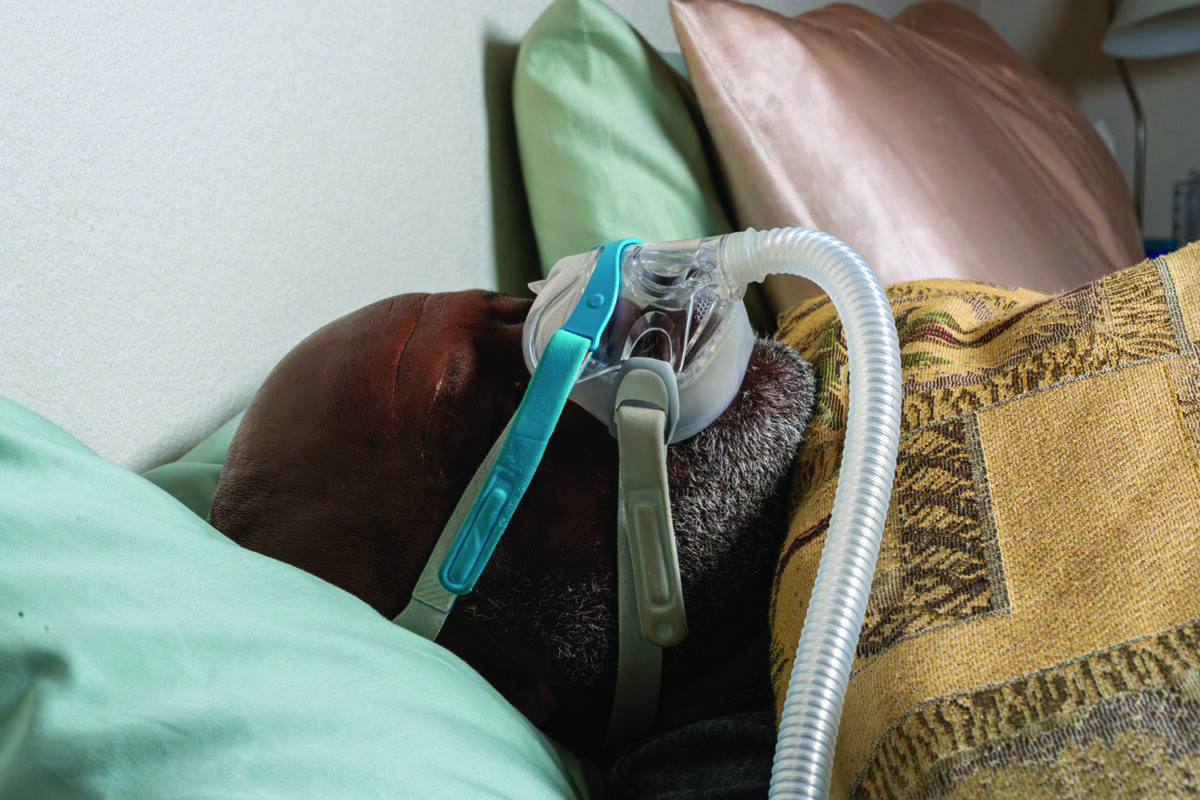
PAP therapy is the preferred treatment especially for people with moderate-to-severe OSA. PAP treatment encompasses several, somewhat different, forms, but they all have a common theme—namely, a portable machine that pumps air through tubing connected to a mask covering the nose and/or mouth.
How Does a CPAP Machine Work?
Breathing pressure is measured in centimeters of water pressure, which reflects the amount of air pressure needed to raise a column of water by one centimeter (more than a third of an inch). Normally, you breathe at a pressure of about 4 to 5 centimeters of water, but PAP treatment can increase that pressure typically to between 5 and 20 centimeters, Dr. Shah explains.
This increased pressure pumped from the PAP machine through the nose and mouth helps to prop open all sections of your airway that collapse during sleep. In doing so, it prevents the airway obstruction and the total/near-total breathing interruptions (apneas) or shallow breathing episodes (hypopneas) that characterize OSA.
“I describe it to patients that the airway starts at the nostril and goes all the way to the voice box, and it has multiple moving pieces that can collapse,” Dr. Shah says. “The most common place where it collapses is at the tongue and palate level, but it could also be at the back of the nostril. Think of PAP therapy as an air splint, which, because of the air pressure, opens up all parts of the airway. That’s why it tends to be the most effective treatment.”
Types of CPAP Machines and Masks
The PAP machines used to treat OSA fall into three main types:
- Continuous positive airway pressure (CPAP) pumps air at a fixed pressure. It is probably the most well-known and typically the least expensive type of PAP therapy.
- Auto-adjusting positive airway pressure (APAP) machines use sophisticated sensors and algorithms to monitor your breathing patterns, identify apneas and hypopneas, and adjust the air pressure accordingly. This flexibility is important because the severity of your OSA may change during different stages of sleep. APAP is also especially useful if your OSA worsens when you sleep on your back or if you experience weight changes. Most PAP machines in use today are APAP devices, Dr. Shah notes.
- Bilevel positive airway pressure (BiPAP) pumps air at a higher pressure when you inhale and a lower pressure when you exhale, making it somewhat closer to natural breathing. BiPAP becomes an option especially if you inadequately clear carbon dioxide when you exhale (hypoventilation). Furthermore, “Because BiPAP is closer to our physiology, many people feel more comfortable to breathe with it, compared with CPAP,” Dr. Shah says. “If a patient has not tolerated CPAP, many times we use the bilevel pressure. It tends to be more expensive, which is why it’s not necessarily for first-line use.”
While an APAP device may be prescribed based on results of a home sleep study, a fixed-pressure CPAP requires an overnight sleep study with a titration study to set the exact pressure necessary to keep your airway open. “The algorithms in auto-PAP are about 70% to 90% as accurate as PAP titration, but not 100%,” Dr. Shah says. “If it’s a straightforward, non-complex situation, many times we start patients on auto-PAP, and if things don’t look right or when patients are not improving for some reason, we send them for PAP titration.”
In certain complex situations, individuals may need PAP titration before starting on therapy. This decision is made based on multiple points of information from the person’s type of sleep apnea, health history, and certain medical conditions.
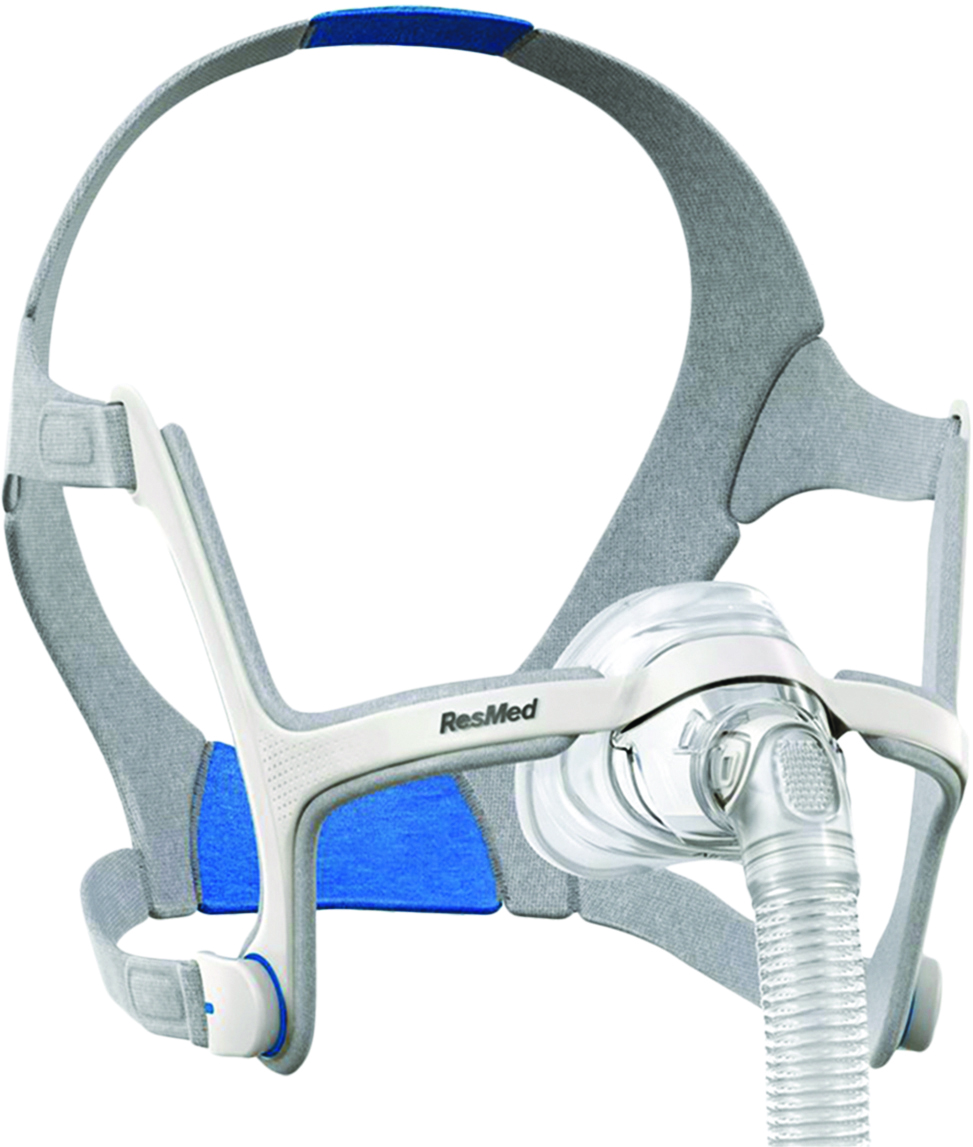
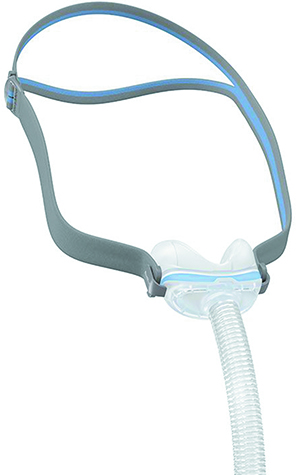
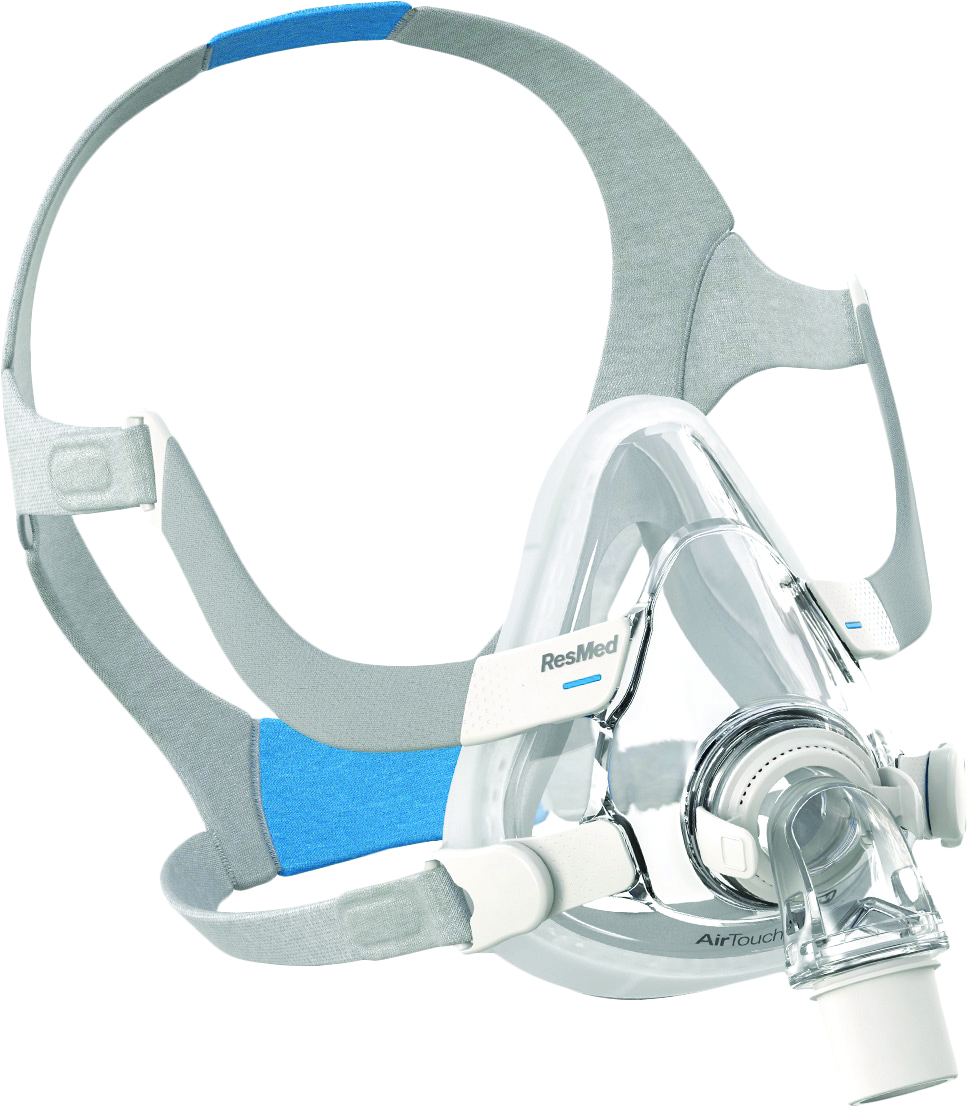
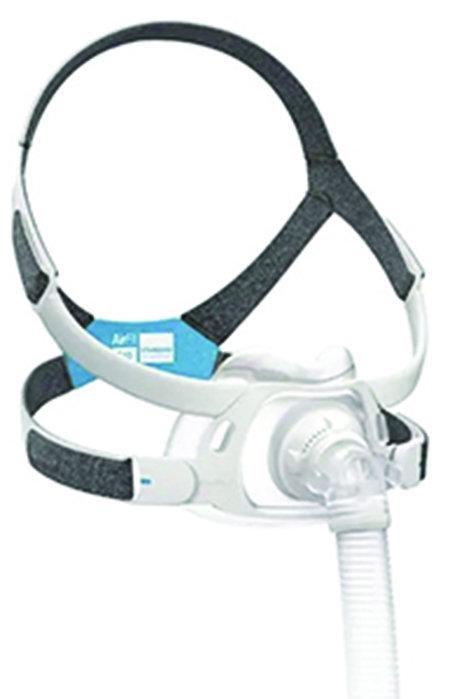
Your sleep specialist will prescribe the type of PAP machine that best matches your treatment needs, but the choice of mask is based largely on your personal preference, sleep position, and certain physical characteristics. The four basic mask styles—a nasal mask, nasal pillows, a full-face mask, and a hybrid mask—come in varying sizes, and manufacturers offer several iterations of each.
For example, a full-face mask may be necessary if you frequently have nasal congestion and breathe through your mouth, while a nasal mask or pillows may be more suitable if you feel claustrophobic or you have facial hair but no nasal blockage.
| MASK STYLE | KEY POINTS/CONSIDERATIONS |
| Nasal mask
|
Triangle-shaped mask that fits over the nose; less obtrusive than full face mask; may require chin strap if you breathe through your mouth during sleep. |
| Nasal pillows
|
Placed at opening of the nostrils; least obtrusive mask option; preferable if you’re claustrophobic; tends to become dislodged more easily, especially if you move a lot during sleep; may require chin strap if you breathe through your mouth during sleep. |
| Full face mask
|
Mask worn over the nose and mouth; seals against the chin and cheeks; most obtrusive mask option; preferable if you have nasal congestion or otherwise breathe through your mouth; may leak if you have a beard. |
| Hybrid mask
|
Combines nasal pillows with an over-the-mouth mask; less obtrusive than standard full-face mask; an option if you breathe through your mouth; may be better for side sleepers; may leak if you have a beard. |
Benefits of Using a CPAP Machine
Once you start using PAP treatment consistently, one of the first benefits you’ll probably notice is an improvement in daytime sleepiness, productivity, and mood, Dr. Shah says. Many users find that they’re able to concentrate better and their daytime energy level is higher. There’s also another, very important, short-term benefit.
“I jokingly ask my fellows, ‘What’s the most important reason why we treat sleep apnea?’” Dr. Shah says. “In my mind, it’s to save marriages and relationships. The most immediate benefit is your partner can sleep well, so we end up treating two people’s sleep because we’re treating one person’s.”
In addition to improving sleep quality, PAP therapy, over the long term, may help reduce the risk of potentially serious complications. Research has linked OSA to a greater risk of hypertension, diabetes, obesity, testosterone deficiency, erectile dysfunction, and multiple cardiovascular diseases. Data suggest that PAP therapy may lead to improvement in these areas, as well as cognition, respiratory issues, and depression, Dr. Shah notes.
Potential Side Effects and Challenges
While effective, PAP therapy can cause some minor side effects, such as nasal congestion and dry mouth, the latter of which can contribute to bad breath and an increased risk of tooth decay and gum disease. Most PAP machines are equipped with a heater/humidifier that moistens the air pumped through your nose and mouth to lessen these effects. Some users also develop some skin irritation from the mask.
Perhaps the greatest challenge to using PAP therapy is getting used to wearing the mask and tolerating the forced air rushing through it. Many PAP devices have a “ramp” feature, which provides lower pressure at first and then gradually increases to the appropriate pressure setting after you fall asleep.
To help you get acclimated to your CPAP machine or other PAP device, use the treatment during your waking hours while you watch television or read. Learn how to breathe with it, and make any adjustments to the mask and headgear so that it fits comfortably, but snugly, and doesn’t leak. “Doing that while you’re awake makes it much less frustrating than doing it at night, when you’re tired and wanting to sleep,” Dr. Shah says. “The more adjustments you make during the day, the easier it gets at night.”
Use your CPAP machine any time your head hits the pillow, whenever and wherever that may be, he emphasizes: “I joke sometimes with patients when they forget to take their CPAP machine for travel or don’t wear it on weekends that sleep apnea doesn’t go away when you nap or on weekends. It doesn’t take a break, so you should still use it whenever you’re sleeping.”
Make sure you have the best-fitting mask—many home-care and insurance providers allow you to switch to a different mask style at the beginning of the therapy if the initial mask does not work. Typically, you’ll follow up with your sleep specialist two to three months after you start treatment to ensure that everything is going well, but notify your physician sooner if you experience any problems.
Dr. Shah says his PAP therapy patients typically fall into one of three general categories:
- About half who benefit significantly from treatment and say, “I wish I would have done this 10 years ago.”
- About a quarter who benefit somewhat but still have some residual sleepiness due to troubles with PAP, which is fixable.
- Another quarter whose OSA does not improve or they cannot tolerate PAP therapy.
Research suggests that anywhere from 30% to 50% of PAP therapy users cannot tolerate it, but in some cases, these individuals may abandon treatment prematurely without working with their health-care providers to make necessary adjustments, Dr. Shah says. So, use your machine consistently for at least six months, he recommends, and if you still cannot tolerate it or your OSA symptoms have not improved to your satisfaction, ask your doctor about other options.
Dr. Shah says he can relate to the challenges of acclimating to the treatment: He’s a 10-year PAP user. “It usually takes everyone up to one to six weeks to get used to the mask,” he says. “Mask number one didn’t work well for me. Mask number two didn’t work well, either, so for a month it was a struggle. And then the third mask worked very well for me. Patients experience that, too, so it takes gradually working with them and supporting them over time.
“Even though you may not like to use it, there is a lot of gain from PAP therapy,” he continues. “If you have to go through the short-term pain of getting used to it and the time involved, it’s worth it, at least from my standpoint of being a patient.”
Insurance Coverage and Cost
Before you start using your CPAP, check your insurance coverage. Most providers cover the cost of PAP therapy, but many of them have use requirements. For example, Medicare and Medicaid, require you to use PAP treatment for at least four hours a night on 70% of nights during a consecutive 30-day period anytime during the first three months of use. Your PAP unit may be reclaimed if you fail to meet this requirement.
Furthermore, ask your health-care provider about out-of-pocket costs you can expect, such as replacement masks, headgear, tubing, or filters for your machine. Periodically replace your mask, filters, and tubing at recommended intervals. Also, be sure to maintain your PAP equipment. Ask your health-care professional how often to clean the mask, tubing, and humidifier reservoir, and dry them thoroughly.
Alternatives to CPAP Machines
If you cannot tolerate PAP therapy or are looking for alternatives, explore other options and strategies to help you manage your OSA:
- Positional sleep therapy, which includes sleeping on your side instead of on your back, a position that often triggers OSA symptoms. If necessary, use a pillow or rolled-up blanket to help you stay on your side.
- Oral appliances that push the jaw forward to keep the airway open.
- Hypoglossal nerve stimulation (Inspire), in which a pacemaker-like device implanted in the upper chest delivers electrical stimulation that pushes your tongue forward to open your airway.
Importantly, if you have obesity, work with your health-care team on a plan to optimize your weight through a healthy diet and regular exercise. If you need additional help, ask your doctor about weight-loss medications, including tirzepatide (Zepbound), which is specifically approved to treat moderate-to-severe OSA in people with obesity.
“If sleep apnea is related to weight gain, weight loss must be a part of every treatment,” Dr. Shah advises.