Naltrexone is a drug commonly prescribed in higher doses for individuals with alcohol use disorder or opioid use disorder.
Although the drug was initially approved for these indications, experts have since discovered that low-dose naltrexone can be effective for managing chronic pain in certain individuals.
“Our understanding of the mechanism is that these lower doses of naltrexone temporarily block opioid receptors, which triggers the brain to produce more natural painkillers called endorphins and enkephalins,” explains Cleveland Clinic pharmacist Annabelle Hood, Pharm-D, BCACP.
Hood started prescribing low-dose naltrexone for treating chronic pain during her residency at Dana Farber Cancer Institute and Brigham & Women’s Hospital, in Boston, and now manages patients experiencing pain in primary care at Cleveland Clinic.
Low-Dose Naltrexone Benefits
Belonging to a drug class known as mu-opioid receptor antagonists, low-dose naltrexone is a low-risk medication with minimal, manageable side effects, making it an attractive option from a safety perspective, compared with some other medication alternatives. “In addition to pain relief and anti-inflammatory properties, people often report an overall sense of well-being on low-dose naltrexone,” Dr. Hood adds.
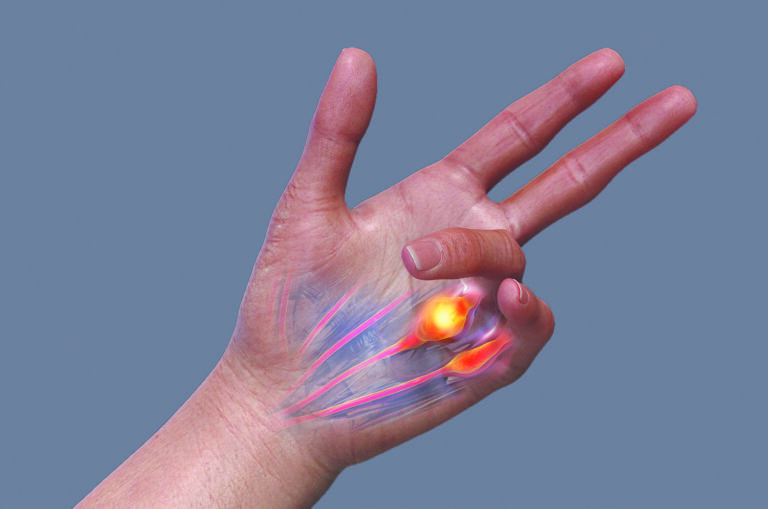
Studies suggest that the greatest benefits of low-dose-naltrexone for chronic pain are seen in people with conditions such as fibromyalgia, complex regional pain syndrome, and rheumatoid arthritis. “There is evidence that low-dose naltrexone enhances immune regulation and reduces inflammation associated with chronic pain conditions,” Dr. Hood says.
However, data on the use of low-dose naltrexone for other conditions, such as cancer pain and nerve-related (neuropathic) pain, are mixed.
Off-Label Use
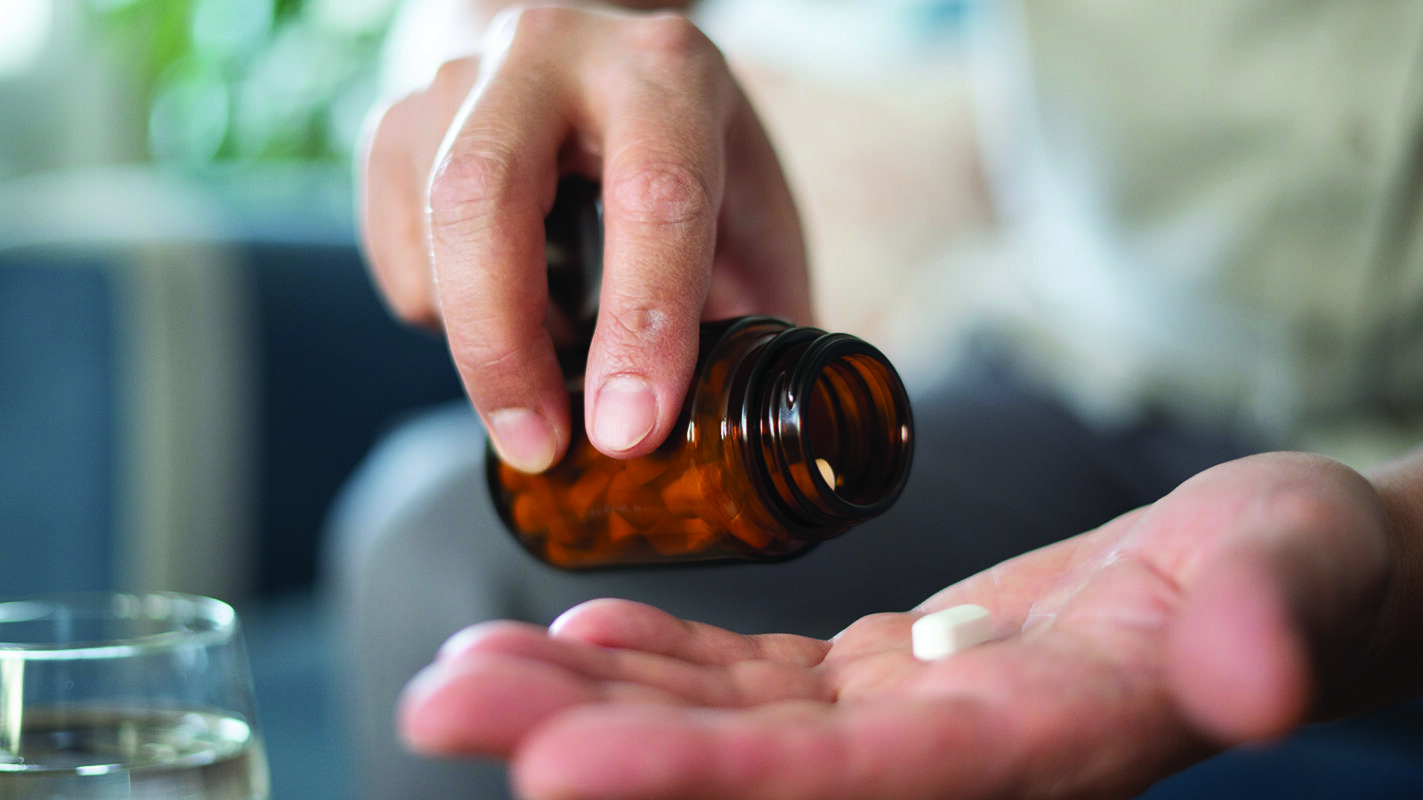
Low-dose naltrexone does not have U.S. Food and Drug Administration (FDA) approval specifically for chronic pain relief, so its use for this purpose is considered “off-label.” As such, it is not widely manufactured in low doses—compounding pharmacies fill capsules with the correct dose, and people take them orally once per day. The dose of naltrexone used off-label for chronic pain is about one-tenth the amount traditionally used for treating opioid use disorder.
“We use a titration process to increase the dose slowly over a few weeks,” Dr. Hood explains. “Typically, we start at 1.5 milligrams per day and titrate to 4.5 milligrams per day based on tolerability. Because this medication is modulating processes in the body, it’s not an instant effect. It typically takes a couple of weeks to feel relief.”
Low-dose naltrexone can be used alone or in combination with other pain treatments. Dr. Hood sometimes prescribes it when other therapies have not provided relief, and adding it can sometimes help people with chronic pain avoid escalating opioid doses.
Some people who feel only a mild amount of pain relief from low-dose naltrexone sometimes choose to continue taking it because they feel an overall sense of well-being and do not experience side effects.
Low-Dose Naltrexone Side Effects
Most people tolerate low-dose naltrexone without any problems. When they do occur, low-dose naltrexone side effects typically can be managed easily.
Gastrointestinal symptoms (e.g., nausea, bloating) and insomnia or vivid dreams are the most common side effects Dr. Hood sees among her patients.
She recommends taking the daily dose with a glass of water and food. If insomnia or vivid dreams are bothersome, Dr. Hood recommends taking the medication in the morning instead of at night.
Barriers to Access
Insurance often doesn’t cover low-dose naltrexone because it is a compounded medication and used off-label for chronic pain. Dr. Hood says she frequently sees costs of the drug ranging from $10 to $65 for a monthly supply, which may put it out of reach for some people.
People with liver disease or posttraumatic stress disorder may not be able to take naltrexone. Furthermore, some healthcare providers may not be aware of this pain management option or prefer to rely on first-line treatments with more robust evidence, Dr. Hood says.
She emphasizes that more research is needed on low-dose naltrexone so prescribers can better understand its most effective uses.