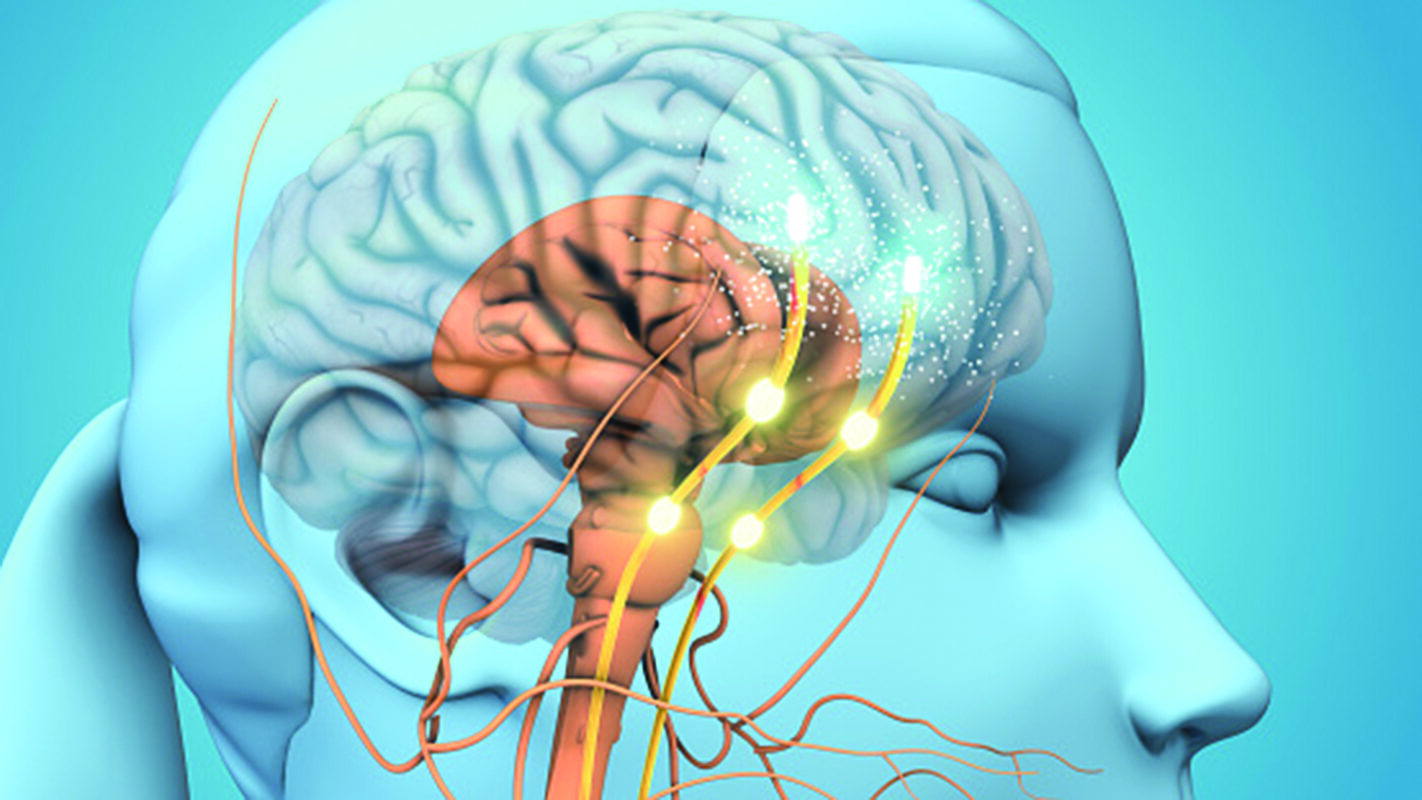
Dopamine is involved in countless everyday functions. It’s what helps you stay motivated, focused, and able to learn from experiences.
Dopamine is also commonly referred to as one of the brain’s “feel good” chemicals because of its association with pleasure and reward. But it also plays a key role in less emotional functions, such as memory formation and muscle movement.
“Its primary role is helping us anticipate rewards, remain motivated, and direct our attention toward goals that matter,” says Gary Small, MD, of Hackensack Meridian School of Medicine. “Think of dopamine less as the chemical of pleasure and more as the chemical of pursuit.”
What Is Dopamine?
Dopamine is both a neurotransmitter and a hormone. As a neurotransmitter, it carries chemical messages between nerve cells, allowing different parts of the brain to communicate. As a hormone, it helps regulate functions elsewhere in the body.
Dopamine interacts with other neurotransmitters, including serotonin, norepinephrine, glutamate, and GABA. Together, these chemical messengers help regulate mood, thinking, sleep, appetite, and countless other functions.
Dopamine’s Role in the Body and Brain
Dopamine is involved, to some degree, in how you think, feel, sleep, digest food, and move about your day, among other functions. When dopamine levels dip, the effects can be experienced from head to toe.
The following are some of the main areas where dopamine’s influence is most strongly felt:
Movement and coordination
One of dopamine’s best-known roles is controlling voluntary movement. When dopamine levels fall dramatically, movement becomes slower and less coordinated. This is why Parkinson’s disease, which involves the progressive loss of dopamine-producing neurons, causes symptoms such as tremors, stiffness, slowed movement, and balance problems.
Dopamine and motivation
Dopamine helps convince the brain that a particular goal is worth pursuing. It increases anticipation and encourages behaviors that improve the likelihood of obtaining a desired reward. “When you enjoy a delicious meal, spend time with a loved one, or achieve an important goal, dopamine is active,” Dr. Small explains. “But dopamine often surges even more before the reward arrives, when you are anticipating something desirable. It helps create the feeling of ‘this is worth pursuing.’”
Dopamine and pleasure
Dopamine does contribute to pleasurable experiences, but scientists now believe it works alongside other neurotransmitters instead of creating pleasure by itself. For example, eating your favorite meal activates dopamine pathways involved in motivation and reward, while opioid signaling systems contribute more directly to the sensation of pleasure itself. Dopamine encourages you to repeat behaviors that the brain interprets as beneficial, helping reinforce habits that promote survival and well-being.
Learning and memory
Dopamine also helps the brain learn from experience. When outcomes are better than expected, dopamine signals strengthen the neural connections associated with those behaviors, increasing the likelihood that you’ll repeat them in the future. This process, known as reward-based learning, helps explain everything from mastering a musical instrument to developing healthy habits.
Dopamine also supports working memory, the short-term mental workspace used to solve problems, follow conversations, and keep track of information. As dopamine function declines with age, “older adults may notice greater difficulty multitasking, concentrating, or keeping information in mind long enough to use it,” Dr. Small says.
Mood regulation
Healthy dopamine signaling contributes to enthusiasm, initiative, curiosity, and emotional engagement. Low dopamine activity has been associated with apathy, reduced motivation, and loss of interest in activities that were once enjoyable. These symptoms may overlap with depression.
Attention, focus, and other body functions
Dopamine also helps regulate attention by allowing the brain to prioritize important information while filtering distractions.
Outside the brain, dopamine helps regulate several other body systems. It plays a role in sleep and wakefulness, digestion, kidney function, blood vessel activity, and hormone release.
Dopamine Imbalances: Too Much or Too Little
“One of the biggest misconceptions is that more dopamine is always better,” Dr. Small says. “Both too little and too much dopamine can cause problems. Excessive dopamine activity has been linked to impulsivity, addictive behaviors, and psychosis, while insufficient dopamine can contribute to apathy, slowed thinking, and movement difficulties.”
Rather than striving for more dopamine, the goal is maintaining a healthy balance. However, there is no simple blood test or brain scan that can diagnose a “dopamine deficiency” or “dopamine excess” in otherwise healthy people. Instead, physicians look at symptoms and underlying medical conditions that affect dopamine signaling.
Signs of low dopamine activity
Because dopamine helps regulate movement, motivation, attention, and reward, reduced dopamine activity may contribute to symptoms such as:
- Low motivation or loss of drive
- Fatigue or low energy
- Difficulty concentrating
- Slower thinking
- Problems with working memory
- Reduced enjoyment of activities
- Apathy
- Slowed movement or muscle stiffness in neurological disorders
Dopamine changes become increasingly relevant as people age. “Research suggests that as we age, dopamine-producing neurons decline. We also experience a decline in dopamine receptors and transporters,” Dr. Small says. “As a result, the brain may not respond to rewards and novel experiences as well as it did in younger years.”
This age-related decline may make it more difficult to initiate new activities or stay motivated. “Older adults may find it takes more effort to initiate activities, pursue new goals, or engage in challenging tasks,” he adds. “This biological change in the brain’s reward circuitry is not simply a matter of attitude or willpower.”
Signs of excessive dopamine activity
Excessive dopamine activity can also disrupt normal brain function. Depending on the brain circuits involved, excess dopamine signaling has been linked with:
- Impulsive behavior
- Risk-taking
- Insomnia
- Agitation
- Hallucinations or delusions in certain psychiatric disorders
- Addiction-related behaviors
It’s important to remember that these symptoms usually reflect complex neurological or psychiatric conditions rather than simply having “too much dopamine.” Brain disorders involve multiple neurotransmitters interacting in complicated ways, so dopamine is only one piece of the puzzle.
Conditions Linked to Dopamine Imbalance
Researchers have identified dopamine dysfunction in several neurological and psychiatric disorders, although dopamine is rarely the only factor involved.
- Parkinson’s disease develops when dopamine-producing neurons in the substantia nigra region of the brain progressively die. As dopamine levels decline, people may develop tremors, muscle rigidity, slowed movement, balance problems, and changes in speech or facial expression.
- Depression has traditionally been linked to serotonin, but scientists now know dopamine also plays an important role.
- Attention-deficit/hyperactivity disorder (ADHD). Many ADHD medications work by increasing dopamine and norepinephrine signaling in brain regions responsible for attention, impulse control, and executive function.
- Schizophrenia. Some symptoms of schizophrenia appear to involve excessive dopamine activity in certain brain pathways, while other symptoms may involve reduced dopamine activity in different regions.
- Addiction. Drugs such as cocaine, methamphetamine, nicotine, and opioids activate the brain’s reward circuitry, producing unusually large dopamine surges. Over time, the brain adapts to these repeated spikes, making natural rewards feel less satisfying and increasing cravings for the substance.
- Restless legs syndrome. Researchers also believe dopamine dysfunction contributes to restless legs syndrome, which is why some dopamine-enhancing medications may help relieve symptoms.
Although these conditions involve dopamine, experts emphasize that they should never be self-diagnosed or self-treated with supplements marketed as “dopamine boosters.” Persistent changes in mood, movement, memory, or motivation warrant evaluation by a healthcare professional to identify the true underlying cause.
Everyday Factors That Influence Dopamine
Many of the same lifestyle habits that promote overall brain health also help keep dopamine pathways functioning efficiently.
Diet and nutrients
Dopamine is made from the amino acid tyrosine, which is found in such protein-rich foods as fish, poultry, eggs, beans, and nuts. Eating enough protein helps provide the raw materials needed to produce dopamine, but there is little evidence that consuming extra tyrosine or taking dopamine supplements meaningfully raises dopamine levels in healthy people.
Exercise and physical activity
Research suggests that regular aerobic activity improves dopamine signaling and helps brain cells use dopamine more efficiently. Exercise also increases blood flow to the brain and stimulates the production of brain-derived neurotrophic factor (BDNF), a protein that supports the growth and survival of neurons. “Even moderate amounts of physical activity can make a meaningful difference,” Dr. Small says.
Sleep and rest
“Healthy dopamine function further depends on getting adequate restorative sleep,” Dr. Small says. “Chronic sleep deprivation can disrupt dopamine receptors and contribute to fatigue, reduced motivation, difficulty concentrating, and mood changes.” Aim for seven to nine hours per night.
Social engagement and meaningful activities
Strong social connections appear to support dopamine pathways, so positive interactions with family and friends activate the brain’s reward circuits and reinforce feelings of purpose, belonging, and emotional satisfaction.
Managing stress
Long-term elevations in stress hormones such as cortisol interfere with dopamine signaling and may contribute to fatigue, poor concentration, anxiety, and depressed mood.
Do “Dopamine Detoxes” Really Work?
The concept of a dopamine detox has become popular on social media, where people are encouraged to avoid smartphones, video games, junk food, or other stimulating activities for days or weeks to “reset” dopamine levels. The idea sounds appealing, but neuroscientists say it misunderstands how dopamine works. Your brain continuously produces dopamine because it is essential for movement, attention, learning, and many other vital functions. You cannot “flush out” dopamine or reset your dopamine receptors through a temporary fast from pleasurable activities. That said, taking intentional breaks from highly stimulating behaviors can still be beneficial. Reducing excessive social media use, limiting compulsive gaming, or cutting back on constant digital distractions may improve focus, productivity, and emotional well-being.
Medical Approaches to Managing Dopamine
When dopamine signaling is disrupted by a medical condition, healthcare providers may prescribe medications that increase, decrease, or modify dopamine activity in the brain.
Dopamine agonists like pramipexole (Mirapex), ropinirole (Requip), and rotigotine (Neupro) mimic the effects of dopamine by binding to dopamine receptors in the brain. They are most commonly prescribed to treat Parkinson’s disease and may also be used to treat restless legs syndrome.
Dopamine antagonists block dopamine receptors, reducing dopamine’s effects in certain parts of the brain. They are commonly prescribed to treat schizophrenia, bipolar disorder, and other psychiatric conditions involving psychosis. Examples of common dopamine antagonists include haloperidol (Haldol), risperidone (Risperdal), olanzapine (Zyprexa), and metoclopramide (Reglan).
Dopamine reuptake inhibitors, including methylphenidate (Ritalin, Concerta) and bupropion (Wellbutrin), work by preventing dopamine from being reabsorbed too quickly after it is released.
Practical Tips for Supporting Healthy Dopamine Levels
Many evidence-based habits support healthy dopamine function and overall brain health. Among them are:
- Stay physically active. Studies show that any form of aerobic activities such as brisk walking, cycling, swimming, and dancing can enhance dopamine signaling and improve the brain’s ability to use this neurotransmitter efficiently, Dr. Small says.
- Prioritize restorative sleep. Adults generally need seven to nine hours of sleep each night. Maintaining a regular sleep schedule, limiting alcohol before bedtime, reducing evening screen time, and treating conditions such as sleep apnea can all improve sleep quality and support healthy brain function.
- Eat a balanced, protein-rich diet. Choose a variety of lean proteins, beans, nuts, dairy products, and other nutritious foods that provide tyrosine, the amino acid used to produce dopamine.
- Stay socially engaged. Maintaining meaningful relationships benefits both emotional well-being and brain health.
- Manage chronic stress. Aim to reduce chronic stress through practices such as meditation, yoga, and relaxation techniques, all of which “can help reduce stress and support emotional resilience,” Dr. Small says.