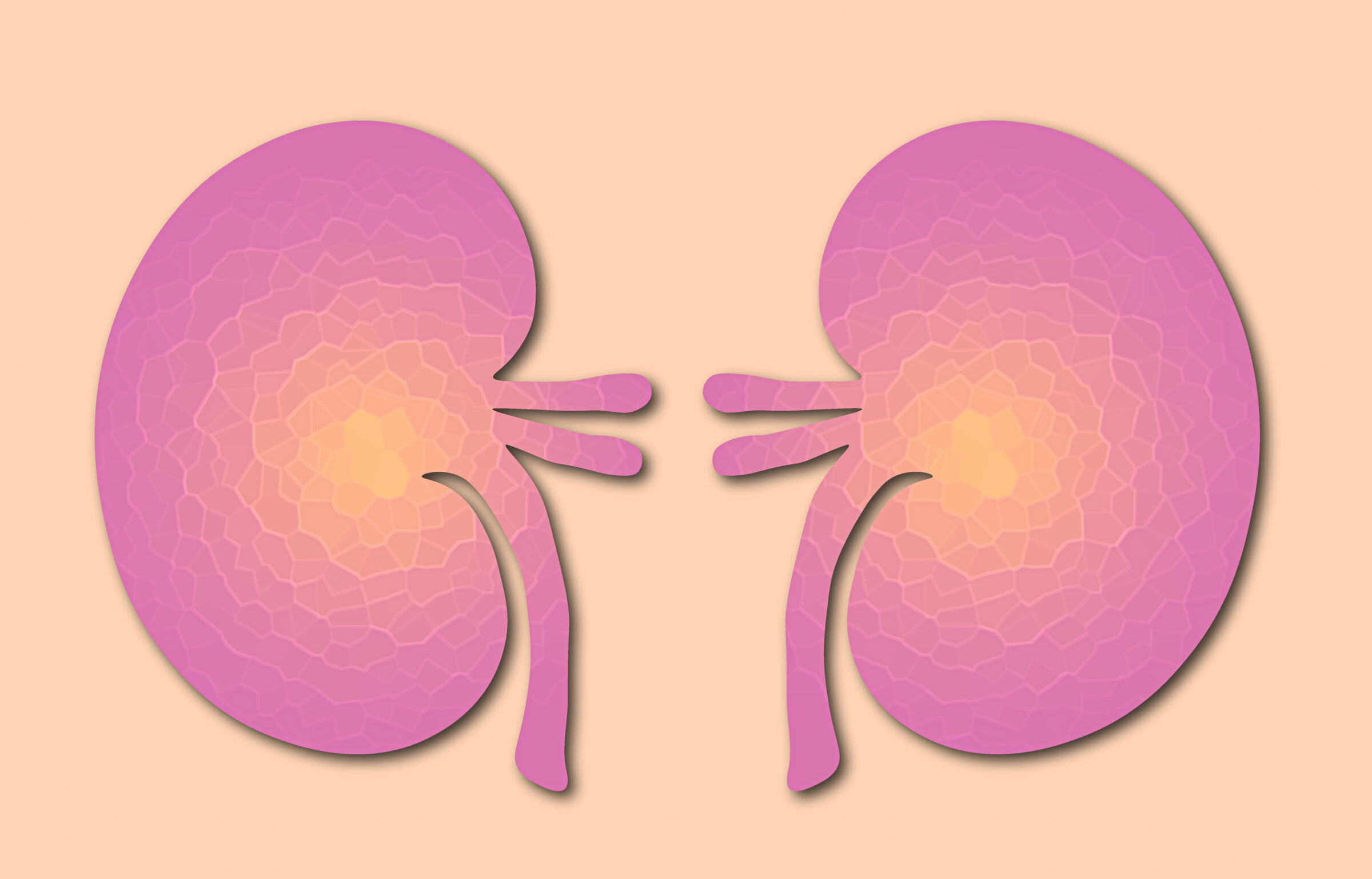
Kidneys rank high among crucial organs that don’t get the attention they deserve. To find out how to right that ship, Bottom Line Health turned to Ithaar H. Derweesh, MD, director of urologic oncology at Rush University Medical Center in Chicago.
There are three keys to protecting kidney health:
1. Stay hydrated
A dehydrated state over time can lead to progressive kidney damage. The rule of thumb is about 8 glasses of water, or 64 ounces, over the course of each 24 hours. Some of that can come from high-water content foods like watermelon and cucumbers, broth and soups but water should be the main component of a hydration strategy. Pay special attention during summer months, whenever you’re outside and the temperature is hot, and when doing activities during which you’ll perspire a lot. Exceptions are for people with certain medical conditions, like heart failure or kidney failure, who may require less liquid—get guidelines from your care provider for your unique circumstances.
2 and 3. Keep blood pressure and blood sugar in check
Hypertension and diabetes, if not managed, are major causes of kidney damage over the long term. Blood pressure and blood sugar should be tested at regular checkups and, if high, brought under control with lifestyle changes and medication as needed.
Beyond this, lifestyle habits that benefit other aspects of your health will benefit your kidneys too. Doing 150 minutes of moderate or higher intensity activity a week is a good rule to live by. From a dietary standpoint, eating a balanced diet, with lots of leafy greens and emphasizing lean proteins is the way to go.
There is an emerging body of evidence to suggest that eating ultra-processed foods increases the risk for a variety of health issues. The kidney is particularly vulnerable because it’s a filtration organ—one of the main pathways that the body has for ridding itself of the toxins found in junk foods and other highly processed foods. Over time, this heavy lifting can lead to kidney damage. Limiting these types of foods is a great idea, and eliminating them entirely is even better, especially if you’re managing any chronic conditions.
Alcohol has been linked to a variety of different cancers, including those related to the GI tract, such as liver and esophageal cancer, and possibly breast cancer. You don’t see quite the same link with kidney cancer or kidney disease, but alcohol can have an indirect impact on the kidney, whether it’s from the dehydration it causes or from blood pressure issues related to liver damage. These are all good reasons to limit alcohol intake.
Exercise caution with supplements. Yes, you can develop a disease if you’re deficient in a nutrient, such as anemia if you don’t have enough iron. But going overboard doesn’t necessarily mean that you’re going to gain extra benefits—some vitamins or supplements in excess can be harmful. Continuing with the same example, high amounts of iron can potentially cause liver damage.
With respect to the kidney, there can be a danger from too much creatine, the protein-based compound that helps boost energy and is popular among athletes. Taking the recommended 5 or 10 grams a day is fine if you’re also well hydrated and eating a balanced diet. But when taken in excess, it can backfire: If, on top of the creatine, you eat an ultra-hybrid protein diet for building muscle and aren’t hydrating well, it’s like a triple whammy to the kidneys. If you already have risk factors for kidney disease, such as high blood pressure, or have already sustained some kidney damage, consult with your doctor before starting such a plan and make sure that he or she is monitoring the protein in your urine and your blood pressure.
Threats to the kidneys
Kidney damage tends to be a silent killer until it becomes advanced. Over the long term, the chief culprits are the pain relievers known as nonsteroidal anti-inflammatory drugs (NSAIDs), both over-the-counter (Aleve, Advil and other ibuprofen-based drugs) and prescription (Celebrex, Meloxicam) medications. Many people are aware that these meds can cause GI issues like ulcers, but don’t realize that they can slowly affect the kidneys, too. Good hydration is important when taking them—drink a glass of water with each dose as recommended in the directions.
Taking an NSAID like ibuprofen occasionally isn’t usually a problem (unless you already have kidney disease in which case your doctor has probably advised you to avoid them completely). But if you find you’re taking 600 milligrams, or 3 tablets, 3 or 4 times a day, for more than 3 to 5 days, that’s a recipe for kidney damage. If you’re in a significant amount of pain that lasts beyond a few days, consult with your primary care doctor to find not only alternative pain relief strategies that won’t harm the kidneys but also to get to the root cause of your pain.
One temporary strategy for pain relief is to alternate between acetaminophen (Tylenol) and ibuprofen and take as low a dose as possible. Keep in mind that while acetaminophen is safer for the kidney, in excess it can cause liver damage, especially in tandem with high alcohol consumption.
In truth, there’s no drug that’s completely free of potential side effects or toxicities, especially for the waste processing and filtration organs like the liver and kidneys. If you’re taking two or more drugs on a regular basis, especially if they’re been prescribed by different doctors, check with your primary can provider or pharmacist to make sure that there are no negative interactions. And if there are potential dangers, ask about alternatives that carry less risk.
Recognizing kidney disease symptoms
More than 35 million American have kidney disease, yet most aren’t aware of it. As with high blood pressure and high cholesterol, kidney disease sneaks up on you with no obvious symptoms. Yet it’s very easy to identify through blood tests, another reason for regular checkups.
As kidney disease progresses—and kidney function decreases—you may start to notice signs. When the kidneys can’t effectively flush out waste products, fluid can build in your body. You may notice swelling, especially in your feet—maybe your shoes no longer seem to fit or when you pull off your socks, you see that they left deep indentations.
As toxins build up in your blood, you may feel tired and weak and have trouble concentrating and sleeping well. Some people find that their skin feels itchy or that they’re urinating more often. These may be subtle, but they’re signs to seek medical attention.
Unchecked kidney disease can progress to kidney failure, the total inability of the kidneys to filter out toxins and requiring dialysis, treatment with a machine that filters toxins for you. Kidney failure symptoms can include more severe swelling and fatigue. Fluid may start to build up in your lungs, causing you to become winded more easily with exertion or needing to sleep with more pillows under your head to be able to breathe comfortably at night. Other signs of kidney failure are foamy urine and swelling in your hands or face, including puffiness around the eyes.
If you have kidney disease
At the top of your to-do list is having a therapeutic alliance with your physician, whether your primary care physician or a nephrologist (a kidney specialist), to try to halt or slow down its progression or possibly reverse it. Which goal depends on what’s driving the disease process. Sometimes it’s multifactorial, meaning you’re battling numerous chronic diseases, such as hypertension and diabetes. You might have an autoimmune disease, like lupus, that can also affect the kidneys. The more conditions you have, the more accelerated and severe the kidney damage can be if they’re not all addressed. That includes taking all your medications as directed and following up with your providers—in other words, being an active participant in your care.
Other crucial steps are maintaining physical activity and making good dietary choices, including following any restrictions you’ve been given. Another very important healthcare partner when you have kidney disease is a registered dietitian. He or she can create an individualized food plan that’s sustainable and guide you away from not only processed foods and other foods that should be limited, but also those marketed as promoting health yet that may not be healthy for your kidneys in your specific circumstances.
The future of kidney treatment
Scientists are working on many innovations for kidney care including advances in dialysis options and animal or artificial kidneys for transplant to make up for the shortfall in human donors. There are also innovations in the treatment of kidney cancer, which shares some of the same risk factors as chronic kidney disease.
The mainstay of cancer treatment used to be surgical kidney removal, but while that might cure or manage the cancer, it also results in functional loss, increasing the risk of chronic and potentially severe chronic kidney disease and even kidney failure down the road. These days the paradigm is shifting in the direction of saving the kidney when safe and feasible. Kidney-preserving treatments include as nephron-sparing surgery or partial nephrectomy—removing the tumor and reconstruct the kidney. There are also non-surgical treatments, such as ablation, and combination strategies that may even be possible for advanced or large tumors, such as immunotherapy, or targeted therapy, to shrink the tumor, then surgery or ablation to address what remains.
The future ultimately is bright because we’re learning more and more about how kidneys get damaged and how we can help them both from a preventive standpoint and from a management standpoint.