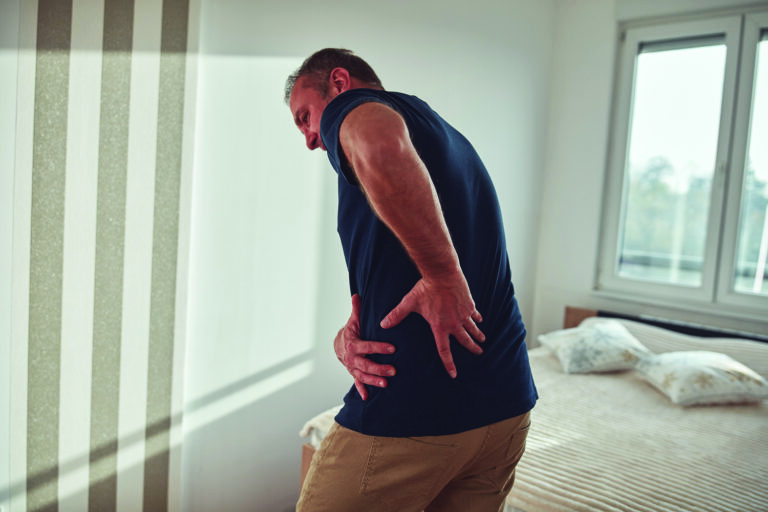
Chest pain is a frequently seen symptom in the emergency department (ED). No matter how it is described—a sharp pain the chest, burning in the chest, achy pain, pressure-like pain—it worries emergency medicine physicians.
“Chest pain is one of the most common and concerning symptoms because it is the chief complaint in several serious conditions we see in the ED, including heart attack, an aortic emergency such as a dissection or rupture and pulmonary embolism,” says Cleveland Clinic emergency medicine physician Bryan Baskin, DO.
What Does Sharp Pain in the Chest Feel Like?
Dr. Baskin says many individuals have difficulty finding the words to explain how their chest pain feels. The terms they use often depend on whether their pain originates in their chest wall, heart, lungs, vascular structure, ribs, or muscles, or is referred to the chest from their stomach or esophagus.
Naturally, most people who experience chest pain worry that they are having a heart attack.
“These individuals often describe having pressure-like chest pain, although it can be sharp,” Dr. Baskin says. “Patients often correct doctors, saying, ‘It’s not chest pain; it’s pressure.’”
The textbook description of heart attack chest pain is pressure-like, left-central chest pain that radiates to the left arm, shoulder, neck or face; is made worse by exertion; improves with rest; and is accompanied by shortness of breath, sweating or nausea.
This type of pain does not always mean you are having a heart attack, which occurs when blood flow through a coronary artery becomes blocked. However, stress, strain, infection, or arterial spasms can temporarily decrease blood flow to the heart, producing similar symptoms.
Common Causes of Sharp Chest Pain
When an individual arrives in the ED complaining of sharp chest pain, emergency medicine physicians must consider all potential diseases and conditions and quickly determine the underlying cause. Sharp chest pain can be a symptom of:
- Heart attack
- Aortic dissection (tear in the lining of the aorta, the largest artery in the body)
- Aortic aneurysm (a bulge in the aorta)
- Pulmonary embolism (a blood clot in the lungs)
- Pneumonia (an infection in the lungs)
- Pneumothorax (a collapsed lung)
- Pleural effusion (fluid between the chest wall and lungs)
- Pericarditis (inflammation of the sac around the heart)
- Myocarditis (inflammation of the heart muscle)
- Pericardial effusion (fluid accumulation between the heart muscle and the sac surrounding it)
- Some arrhythmias (directly or indirectly when a fast or irregular heart rhythm reduces blood flow to the heart)
- A foreign object stuck in the esophagus
- Perforation of the esophagus
- Gastroesophageal reflux disease
- Inflammation in the chest wall
- An infection or fluid in the plural sac surrounding the lungs
- Costochondritis (rib muscle inflammation)
- Broken rib
- Shingles (herpes zoster)
- Panic or anxiety attacks. “Hyperventilation causes the heart to speed up. This, in combination with vasospasm, can decrease blood flow, trigger an arrhythmia and cause chest pain,” Dr. Baskin explains. The extreme classic example is Takotsubo syndrome, a transient but serious condition that can be triggered by acute emotional distress. “Takotsubo can cause the spectrum of chest pain,” he says.
Warning Signs: When Is Chest Pain an Emergency?
Chest pain is an emergency when it:
- Is severe
- Occurs suddenly
- Radiates to the back, neck, face and/or arm
- Is associated with other symptoms, such as shortness of breath, nausea and sweating
- Gets worse when you move around
- Doesn’t go away
“These symptoms are concerning for everybody but are particularly worrisome in older adults and those with cardiovascular risk factors such as diabetes, high blood pressure, high cholesterol, obesity, and smoking,” Dr. Baskin says.
It is important to understand that “severe pain” is subjective. Heart attack symptoms may be less intense in some people—including women and adults with diabetes—than in men and adults without diabetes. In other words, the absence of severe pain does not rule out a heart attack.
“No matter how you describe the pain, sudden-onset, severe chest pain should be taken seriously. While rare, it can be a sign of an aortic emergency, and aortic emergencies can become fatal quickly,” Dr. Baskin says.
For the same reason, a ripping or tearing sensation in the chest should also prompt an immediate trip to the ED for evaluation.
“Don’t ignore your symptoms or decide to wait and see what happens,” he says. “A quick evaluation can help eliminate serious causes of chest pain, or you may suffer irreversible damage.”
How to Tell If Your Chest Pain Is Serious
Because chest pain can vary widely in type and severity and may affect each person differently, it’s difficult to determine on your own whether it’s serious. “It’s hard to tell someone they should not be concerned without being evaluated by a medical professional,” Dr. Baskin says.
Chest pain that is sometimes appropriate for non-ED evaluation includes:
- Chronic stable mild symptoms; for example, a burning pain in the upper abdomen or stomach area when eating
- Pain from a mild injury to the chest wall that can be reproduced or becomes worse when the area is touched
- A singular episode of mild pain lasting only seconds that quickly resolves without any other symptoms, particularly in younger individuals with no cardiovascular risk factors
What to Do If You Experience Sharp Chest Pain
When to seek medical help for chest pain? If you experience sharp chest pain, get evaluated in the nearest ED.
“Everyone who comes to the ED with symptoms has a reason to be there,” Dr. Baskin says. “The majority of patients we see do not have a life-threatening emergency, although there are other causes of their pain that we need to treat. However, we don’t know that until we evaluate them.
“You should never be embarrassed about any symptom you are having, especially chest pain,” he continues. “If you do not know the source of your chest pain, it is very reasonable to come in and get checked out. You don’t have to be in dire straits. We will evaluate you and obtain testing, if indicated, and we will likely be able to reassure you that you are not having a heart attack, pulmonary embolism, or aortic catastrophe. In fact, the vast majority of patients with chest pain end up going home from the ED.”