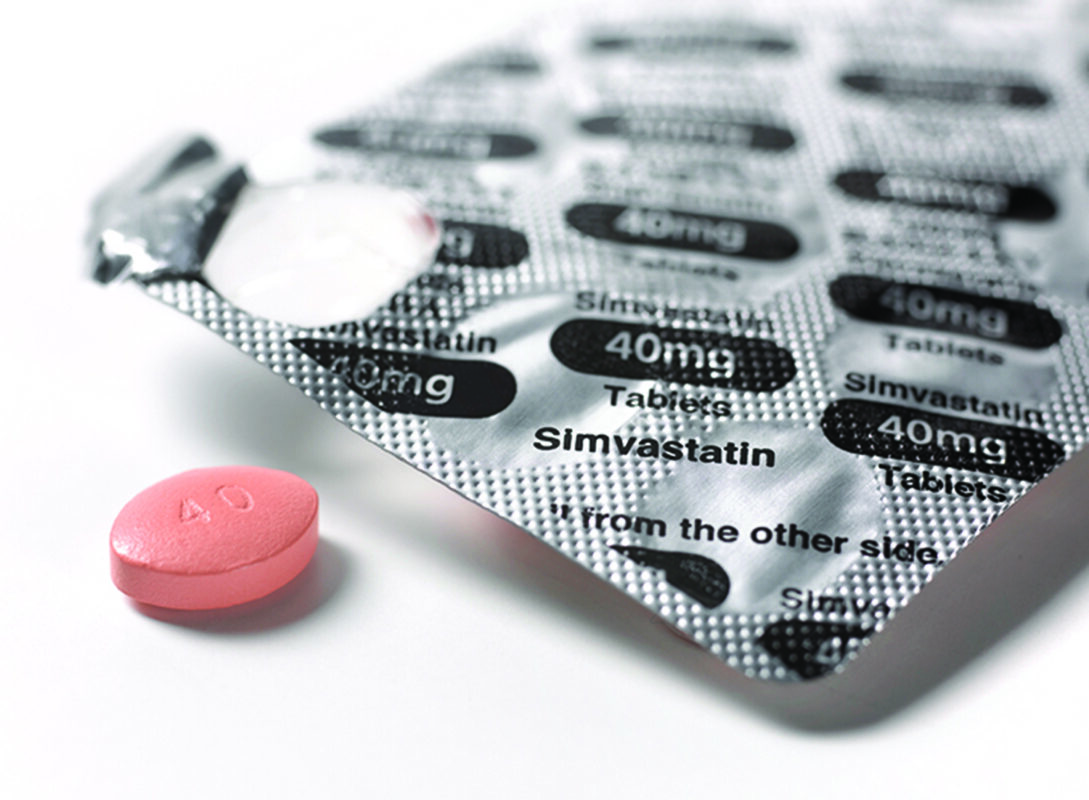
Statin medications remain the cornerstone of pharmacological cholesterol management. Numerous studies support the drugs’ ability not only to lower levels of low-density lipoprotein (LDL “bad”) cholesterol, but also to reduce the risk of major cardiovascular disease (CVD) events, including heart attack and stroke.
Despite these benefits, less than half of people who are eligible for statin therapy based on current guideline recommendations actually take the medications. One reason may be concerns about statin side effects, which range from more common ones like nausea and muscle aches to others that are less proven, like brain fog and sleep disturbances.
If you’re worried about statin side effects, a recent study provides some reassurance, concluding that evidence from randomized trials does not support a causal link between the drugs and most of the side effects or conditions listed on statin product labeling.
“The most likely scenario is that you go on a statin, you don’t notice any difference in how you feel and your cholesterol gets better,” says Vikas Sunder, MD, a Cleveland Clinic preventive cardiologist. “Overall, these medications can help people to a greater extent than the risks they pose, and the risks that this study shows are pretty uncommon and relatively mild.”
Common Statin Side Effects
Perhaps the most noteworthy side effects of the drugs are statin-associated muscle symptoms (SAMS), such as muscle pain, stiffness and weakness. These symptoms usually occur shortly after starting statin therapy or increasing the dose, and their severity tends to be greater with higher statin doses and potency.
SAMS can be significant enough for some statin users to discontinue therapy, a phenomenon known as statin intolerance. In fact, some research suggests that 60% of people who stop taking statins do so because of SAMS. However, in an analysis of data on more than 4 million people, European researchers found that statin intolerance occurred in only about nine out of 100 statin users (European Heart Journal, Sept. 7, 2022).
In another study, researchers reported that a “nocebo” effect was often to blame for statin intolerance. Just as a placebo can make you feel better for reasons other than the mechanisms of the treatment, a nocebo can make you feel worse—i.e., you experience side effects because you anticipate them, not because of pharmacologic effects. In other cases, aches and pains attributed to statins may have a musculoskeletal etiology instead, Dr. Sunder says.
“Anecdotally, I can usually tell which people are going to have muscle-related side effects and pain before we start the medication,” he adds. “These are people who already have muscle or joint aches and pains or some other preexisting issues. I rarely see somebody who’s very active and fit and just randomly has muscle aches from statins.”
Like many medications, statins can cause gastrointestinal side effects, such as nausea and constipation, in some users. Others have reported experiencing headache and fatigue associated with statin use.
Less Common and Rare Statin Side Effects
Statins are known to cause elevations in liver enzymes, suggesting potential liver damage or inflammation. Regardless, new guidelines from the American College of Cardiology (ACC) and American Heart Association (AHA) do not recommend routine liver-enzyme testing to assess statin safety in people without symptoms suggestive of liver toxicity (Circulation, online March 13, 2026).
“It is rare that somebody has elevated liver enzymes related to statin use, but it’s not unheard of,” Dr. Sunder says. “I usually don’t check for liver enzymes unless it’s a patient who has preexisting liver disease or a preexisting elevation in liver enzymes.”
He notes that statins can cause slight increases (about 0.1 to 0.2 percentage points) in hemoglobin A1c, a measure of blood sugar control over the previous three months. For some people, these increases may be enough to push them from prediabetes across the threshold of type 2 diabetes. But the CVD-preventive benefits of statins outweigh this risk, Dr. Sunder emphasizes: “So, slightly raising A1c is not really looked at in terms of deciding whether somebody should not be on a statin if they have prediabetes.”
Some statin users have reported memory problems such as mental fogginess and forgetfulness, which subside after stopping the drug. The product labeling for statins mentions this potential side effect, but research suggests that statins do not increase the risk of Alzheimer’s disease or other dementias but rather may reduce the risk.
In a recent study, researchers from Oxford University and other institutions analyzed data from 154,000 people participating in 23 large randomized controlled trials and examined the incidence of 66 non-muscle- and non-diabetes-related outcomes listed on statin product labels as potential undesirable effects. Statin therapy was associated with significant excess risks for only three of them—elevated liver enzymes and other liver function test abnormalities, minor changes in urine composition, and edema—and this excess risk was less than 0.1% per year, the study found.
No other excess risk was seen for other adverse outcomes, including cognitive impairment, sleep disturbances, erectile and sexual dysfunction, depression, acute kidney injury, peripheral neuropathy, and interstitial lung disease. “Consequently, there is a pressing need for regulatory authorities to require revision of statin labels and for other official sources of health information to be updated, so that clinicians, patients, and the public can make informed decisions regarding the balance of the benefits and risks of statin therapy,” the study authors concluded (The Lancet, Feb. 14, 2026).
“I think some patients hear bad stories on the internet,” Dr. Sunder says. “I show them this study with data to suggest these concerns are mostly unfounded.”
Risk Factors for Statin Side Effects
The 2022 European Heart Journal study identified female gender, hypothyroidism, high statin dose, advanced age, use of antiarrhythmic drugs, and obesity as the main factors that increase the risk of statin intolerance.
Other factors include severe vitamin D deficiency, heavy alcohol use, consumption of large quantities of grapefruit juice, preexisting liver or kidney disease, and use of certain other medications: for example, colchicine, verapamil, diltiazem, fibrates, protease inhibitors (a class of antiviral medications), azoles (a class of antifungal drugs), and antimicrobials such as clarithromycin and erythromycin.
Managing and Minimizing Statin Side Effects
If you experience side effects after beginning statin therapy or a dose increase, do not stop taking your medication without first talking with your doctor. Research from Cleveland Clinic scientists suggests that true statin intolerance is relatively rare and that most people can find a statin regimen they can tolerate.
Your physician may switch you to a different statin—rosuvastatin and pravastatin have been shown to carry lower risks of SAMS, Dr. Sunder says—or recommend an alternative dosing strategy, such as taking the medication every other day or less frequently. Some people find that taking coenzyme Q10 supplements may help ease or prevent SAMS, although the ACC/AHA guidelines do not recommend using them.
“The most important thing is to get some statin in your system,” Dr. Sunder advises. “It doesn’t need to be a high dose, and it doesn’t need to be every day, but there is a cardiovascular benefit for having some of that statin in your system.”
Statin Alternatives
If despite these efforts you still cannot tolerate a statin, you and your doctor can explore other medications to reduce your LDL.
“Most people do fine with statins,” Dr. Sunder says. “Statins are some of the most scrutinized medications, so they have a lot of safety data going back three decades now. Have an honest discussion with your provider, and if you’re worried about side effects, mention it so you can go through the data together.”
Here’s a look at your statin options, as well as LDL-lowering alternatives:
Statins
- Atorvastatin (Lipitor)
- Fluvastatin (Lescol)
- Lovastatin (Altoprev)
- Pitavastatin (Livalo)
- Pravastatin (Pravachol)
- Rosuvastatin (Crestor)
- Simvastatin (Zocor)
ACL inhibitor
- Bempedoic acid (Nexletol)
- Bempedoic acid + ezetimibe (Nexlizet)
Cholesterol absorption inhibitor
- Ezetimibe (Zetia)
- Alirocumab (Praluent)
- Evolocumab (Repatha)
Small-Interfering RNA Agent
- Inclisiran (Leqvio)
Bile acid sequestrants
- Cholestyramine (Questran)
- Colestipol (Colestid)
- Colesevelam (Welchol)