It’s human nature to think of medical issues as isolated incidents. High blood sugar? You see an endocrinologist and receive anti-diabetes medication. High blood pressure? Your primary care physician starts you on antihypertension medications. High cholesterol? A physician prescribes a statin and a heart-healthy diet.
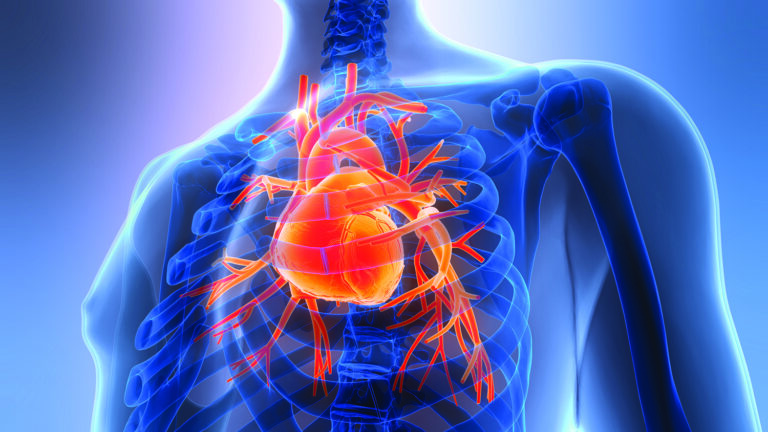
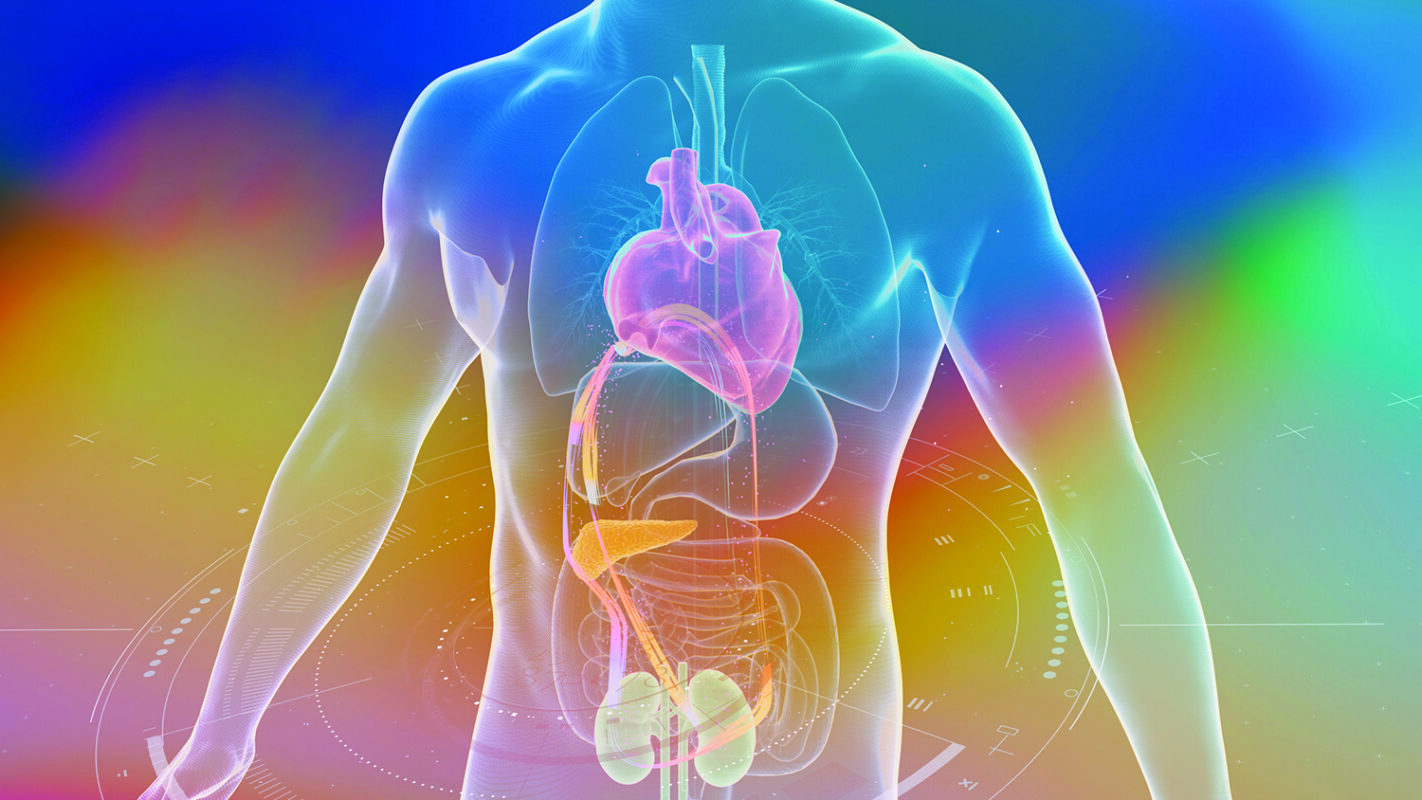
But there is growing recognition that these issues rarely exist alone. Rather, they tend to be pieces of a puzzle that, without early diagnosis and appropriate treatment, can lead to kidney failure, heart failure, heart attack, or stroke. Their interconnectedness is so potent that the American Heart Association (AHA) has named the condition cardiovascular-kidney-metabolic (CKM) syndrome.
What Is CKM Syndrome?
The AHA defines CKM syndrome as “a health disorder due to connections among heart disease, kidney disease, diabetes, and obesity, leading to poor health outcomes.”
Although individuals may be aware they have a single medical issue contributing to CKM syndrome—for example, obesity or type 2 diabetes—in reality, they are likely to have several related conditions that may be undiagnosed.
“This occurs because some of the major biological factors that lead to the development of these conditions are the same,” says Cleveland Clinic heart failure cardiologist Amanda Vest, MBBS. Dr. Vest is a member of the committee that wrote the 2026 AHA/ACC/ADA/ASN Guideline for the Prevention, Detection, Evaluation, and Management of Cardiovascular-Kidney-Metabolic Syndrome, published June 9, 2026, in Circulation.
Why CKM Syndrome Matters
Due to the shared biology of cardiovascular, kidney, and metabolic conditions, all risk factors for the syndrome must be identified and addressed to prevent CKM syndrome from progressing to more advanced stages that can lead to hospitalizations and limitations in quality of life. This goal is best accomplished by integrating medical care.
“It makes sense for physicians to stop thinking, ‘I’m your cardiologist and am only going to think about your heart failure,’ or ‘I’m your kidney doctor and am only going to think about your kidney dysfunction,’” Dr. Vest says. “We now recognize there are opportunities to slow the progression of all these conditions using lifestyle measures and medications that work on several organ dysfunctions at once.”
What Are the Symptoms of CKM Syndrome?
CKM syndrome rarely causes symptoms until it is advanced. In fact, the first clue that someone has the syndrome may be a heart attack or stroke.
“Individuals may be aware they are carrying extra weight, but they may not realize what organs in their body are being impacted,” Dr. Vest says. “The reality is that nine of 10 adults in the U.S. have the first stage of CKD syndrome, which is overweight, obesity, or prediabetes. Features of organ damage associated with progression of the syndrome to stages 2 or 3 are also subclinical and may be picked up by blood tests, urine tests, or heart imaging tests ordered for unrelated reasons.”
What Causes CKM Syndrome?
At the heart of CKM syndrome is excess weight, particularly when it is located in the waist and abdomen.
“This type of adipose (fat) tissue produces chemicals that cause inflammation in the body. Inflammation can result in abnormalities of the heart, blood vessels, and kidneys, leading to conditions such as coronary artery disease, heart failure, and kidney disease,” Dr. Vest explains.
Having atherosclerotic cardiovascular disease increases the risk of kidney disease, and vice versa. Obesity, high blood sugar levels, and high blood pressure also can damage blood vessels in the kidneys as well as in the heart. As damage to the delicate matrix of blood vessel filters causes them to fail, waste builds up in the bloodstream, and protein and sugar spill into the urine. These problems wreak havoc on multiple organ systems and increase the risk of cardiovascular events and cardiovascular death. It’s the reason why it’s more common for people with chronic kidney disease—particularly those on dialysis—to die from a heart attack, heart failure, or stroke than from kidney failure.
CKM Syndrome Stages
CKM syndrome has four stages:
- Stage 1: An individual has obesity, a large waist circumference, dysfunctional fat cells or prediabetes, but no other metabolic risk factors or kidney disease.
- Stage 2: An individual has metabolic risk factors (type 2 diabetes, hypertension, elevated triglyceride levels, or metabolic syndrome), moderate- to high-risk chronic kidney disease, or both.
- Stage 3: An individual has excess or dysfunctional fat tissue and other metabolic risk factors or chronic kidney disease and also has subclinical (not apparent) coronary artery disease or pre-heart failure.
- Stage 4: An individual with excess or dysfunctional fat tissue and other metabolic risk factors or chronic kidney disease develops coronary artery disease, heart failure, stroke, peripheral arterial disease, or atrial fibrillation. Kidney failure may or may not be present.
How Is CKM Syndrome Diagnosed?
Because CKM syndrome is largely asymptomatic, identifying risk is often a shared responsibility.
“It is important to see your primary care physician at least once a year and discuss which heart, kidney, and metabolic health parameters should be checked,” Dr. Vest says. “Your doctor should evaluate your blood pressure, weight, and waist circumference every year and let you know how often your cholesterol, blood sugar, and kidney function should be tested. If you have CKM syndrome stage 2 or higher, a urine albumin-creatinine ratio (UACR) test should be done to identify early kidney dysfunction. The sooner you have this information, the sooner you can take action to prevent disease progression and protect your organs from advanced CKM syndrome.”
How Is CKM Syndrome Treated?
CKM syndrome is treated by addressing each risk factor a person has. Fortunately, integrated medical care is now possible, thanks to new metabolic medications that are effective across many of the interlinked conditions in CKM syndrome. Sodium-glucose cotransporter 2 (SGLT2) inhibitors, for example, which are prescribed for type 2 diabetes, also stabilize chronic kidney disease and help prevent hospitalization for heart failure. These drugs include bexagliflozin (Brenzavvy), canagliflozin (Invokana), dapagliflozin (Farxiga), empagliflozin (Jardiance), ertugliflozin (Steglatro), and sotagliflozin (Inpefa).
Other medications, known as glucagon-like peptide-1 (GLP-1) receptor agonists, are very good at controlling glucose, and they help individuals lose weight and also provide benefits for coronary artery disease and heart failure with preserved ejection fraction. This class of drugs includes dulaglutide (Trulicity), exenatide (Byetta, Bydureon), liraglutide (Victoza), lixisenatide (Adlyxin), semaglutide (Ozempic, Rybelsus, Wegovy), orforglipron (Foundayo), and the dual GIP/GLP-1 receptor agonist tirzepatide (Mounjaro, Zepbound).
These medication classes also may reduce the total number of medications a person is taking.
“Treating patients for several conditions at the same time not only streamlines their care, but also improves the ability to prevent heart attack, stroke, heart failure, and kidney failure,” Dr. Vest says.
“It’s not all about medications,” she continues. “Many lifestyle efforts can be incredibly helpful in minimizing the individual risk factors contributing to CKM syndrome to prevent it from progressing.”
Algorithms for treating individual risk factors based on clinical trial results are included in the 2026 guidelines.
As physicians become more comfortable providing integrated medical care, specialists may be pulled in. It’s not until an individual reaches stage 4 of CKM syndrome that specialists or procedures are likely to be needed.
How Can You Lower Your Risk?
When a medical condition like CKM syndrome is asymptomatic, understanding how serious it is can be difficult to embrace. Using a PREVENT risk calculator can help clarify what might occur if CKM syndrome is ignored. PREVENT calculators will determine your 10- or 30-year risk of developing cardiovascular disease (PREVENT-CVD), having a heart attack or stroke (PREVENT-ASCVD), or developing heart failure (PREVENT-HF). Simply visit the PREVENT calculator website and enter the requested information.
“These are the preferred risk tools to combine cardiovascular, kidney, and metabolic health measures to guide treatment decisions designed at preventing progression into more advanced stages,” Dr. Vest says.
CKM syndrome risk factors are the same as the modifiable risk factors for cardiovascular disease: overweight/obesity, high blood sugar, high blood pressure, and high cholesterol or triglycerides. You can lower your risk by maintaining a normal weight and keeping blood sugar, cholesterol, and blood pressure in a healthy range.
Many of these goals may be achieved through lifestyle measures. The AHA recommends eating a heart-healthy diet, getting 2½ hours of moderate exercise or 75 minutes of vigorous exercise a week, not smoking, and getting seven to nine hours of sleep each night. Medications may be added as needed.
“Ask your care team if there are medications that could treat multiple aspects of CKM syndrome,” Dr. Vest says. “Empowering yourself to be an active participant in your care allows you to make good choices about the medications and lifestyle interventions that might be right for you.”