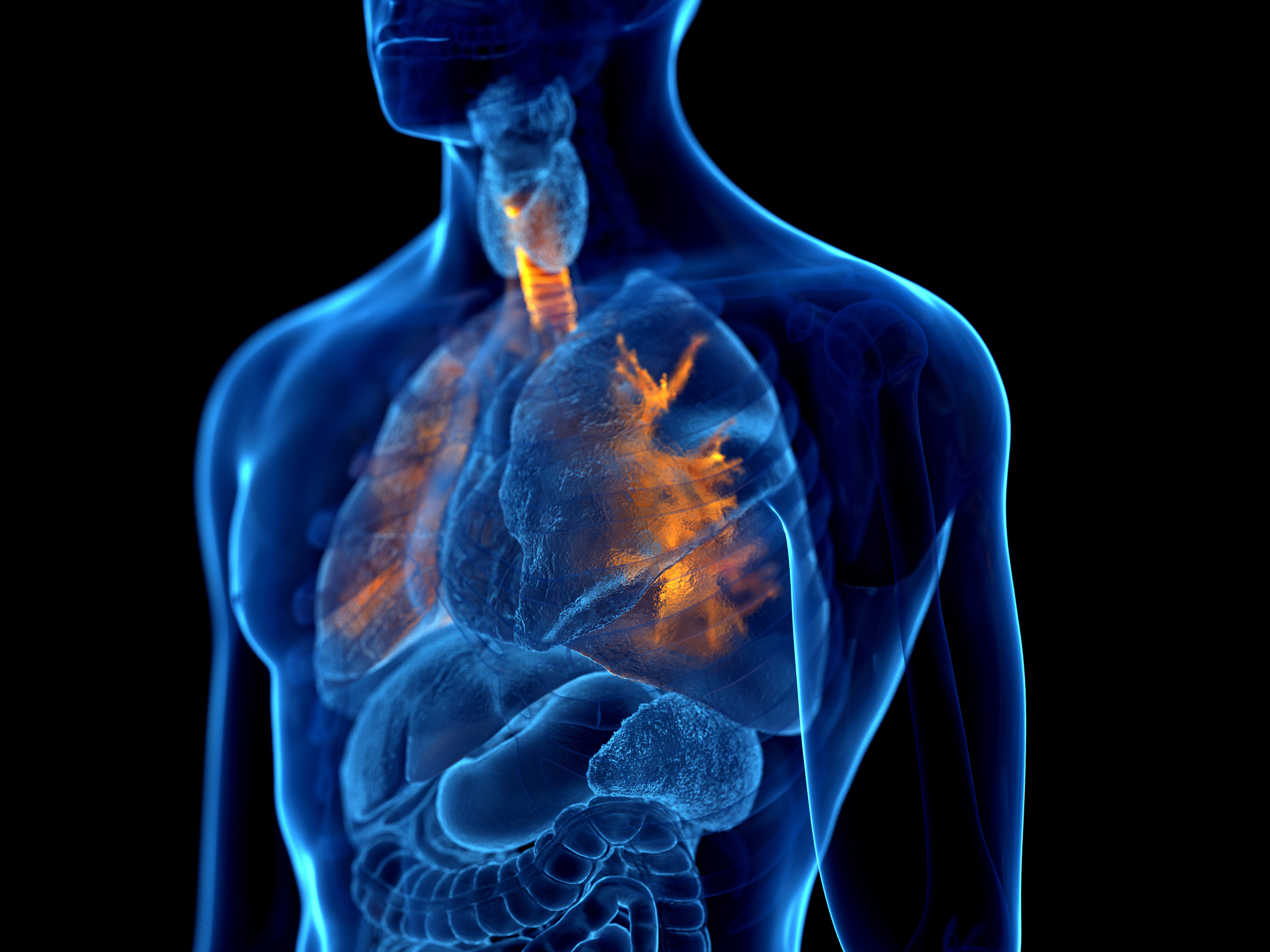
Cold weather brings all sorts of illnesses that can affect your lungs—bronchitis is just one of them. Bottom Line Personal asked Elaine Chen, MD, a pulmonary, critical care and palliative medicine specialist at Rush University Medical Center, exactly what bronchitis is…what are the symptoms…and how to treat it.
What is bronchitis?
“Bronchitis, by definition, is the inflammation of the bronchi, the large airways in the lungs,” explained Dr. Chen. “Acute, or short-term, bronchitis is usually caused by a virus, an asthma exacerbation or another type of irritant. In the winter months especially, it often stems from the flu, a cold or COVID—an upper-respiratory infection that starts in the nose and then leads to inflammation in the lower airways.”
While any type of systemic upper-respiratory viral infection can turn into bronchitis in virtually anyone, people who have asthma, COPD or another chronic lung disease are much more likely to get bronchitis after a viral illness. “Also at risk are those with a suppressed immune system—anybody with cancer on chemotherapy or who’s on immunosuppressive drugs for an autoimmune disease or is immunosuppressed from a chronic illness such as liver or kidney disease,” Dr. Chen added.
What are the symptoms of bronchitis?
As bronchitis develops, the signs of the virus that led to it shift. With a flu, you might have had whole body symptoms with aches and fever. With a cold, it may have just been nose and throat symptoms. But as the inflammation moves down into your lungs, you’ll start to experience coughing, shortness of breath and possibly some wheezing; usually without fever. “It really depends on the individual, but symptoms can last from a few days to a few weeks,” said Dr. Chen.
When to suspect bronchitis: “If you are starting to heal and get worse instead of better after about a week or 10 days…or if you had fever from the flu that went away but then came back…these are signs it’s time to give your doctor a call or to be seen in an urgent-care clinic and get a chest X-ray,” said Dr. Chen.
Is bronchitis contagious?
Consider yourself contagious from the underlying virus that led to bronchitis for up to a week after the onset of the initial virus, said Dr. Chen. “While your lungs are healing, you’re still going to have the symptoms of bronchitis—the cough can last for several weeks. But during that healing process, you are most likely not contagious any longer.”
What complications can bronchitis lead to?
Any bronchitis can turn into bacterial pneumonia. While this can happen to anyone, it’s more likely in people who have weakened immune systems or are extremely exhausted or stressed because that can also weaken your immune system—people who have a hard time healing from bronchitis, said Dr. Chen. One telltale sign of bacterial pneumonia is a productive cough that turns from whitish and phlegmy mucus to a thick, sticky, green-yellow and foul-smelling sputum.
What is the treatment for bronchitis?
The mainstay approach is rest and managing symptoms with over-the-counter medications such as acetaminophen and a cough medicine with dextromethorphan or guaifenesin to loosen mucus. People who have prolonged asthma-related inflammation may need an inhaler such as inhaled albuterol or an inhaled steroid. Antibiotics are necessary only if bronchitis has progressed to bacterial pneumonia.