Flu season can be a risky time for older adults. The flu doesn’t just cause discomfort—it can sometimes lead to pneumonia, a serious lung infection. For older individuals, it’s even more critical to identify pneumonia symptoms, seek prompt care and take steps to prevent pneumonia.
What Is Pneumonia?
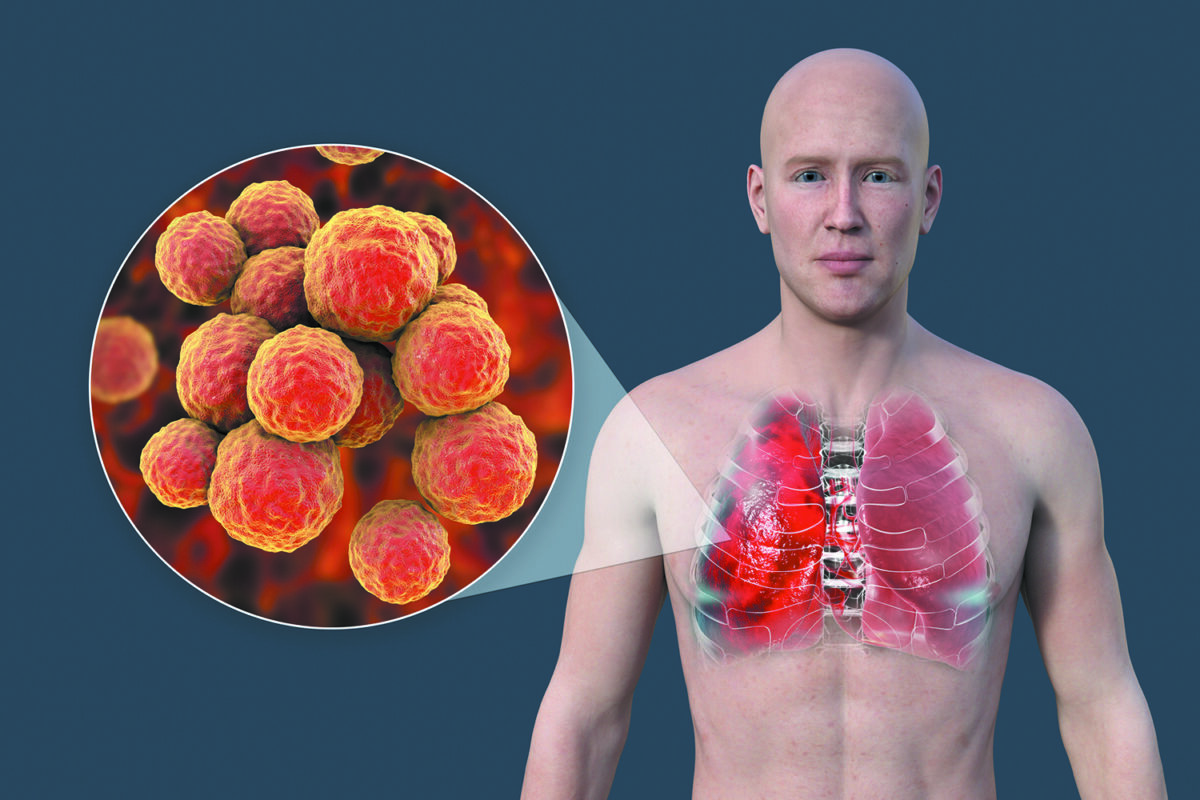
Pneumonia inflames the air sacs in one or both lungs, causing them to fill with fluid and making it difficult to breathe. The infection can be caused by bacteria, viruses, or fungi. The most common and dangerous culprit is a bacterium called Streptococcus pneumoniae.
According to a 2025 review study published in Infection and Immunity, adults over age 65 are four times more likely to develop pneumonia compared with younger people. A key reason is that with age, the immune system naturally weakens—a process called immunosenescence—making it harder to fight off infections. Chronic medical conditions, more common in older adults, also make people more susceptible to contagious diseases, as does smoking.
Pneumonia Symptoms
The early signs of pneumonia can be easy to mistake for a common cold or the flu. You might experience a cough that doesn’t go away, fatigue, a low-grade fever, or mild chest discomfort. Some people feel chilled or short of breath, particularly when moving around.
Your body is good at sending signals, but as you get older, pneumonia symptoms can be subtler. Instead of a high fever and severe cough, you might notice confusion or a shift in mental awareness—changes sometimes mistaken for normal aging. Fatigue may creep in, your appetite can wane, and even mild activity may cause shortness of breath or chest discomfort. Take any new or worsening pneumonia symptoms seriously.
“The pneumonia symptoms that concern us most are increasing difficulty breathing, a productive cough that is getting worse—especially if there is pus or blood in the phlegm—and signs of strain on the rest of the body, such as persistent fatigue, chest pain, inability to lie flat at night, confusion, dizziness, or lightheadedness,” explains Russell Buhr, MD, PhD, a UCLA Medicine pulmonologist. “These are all clues that your body is working hard to fight off a serious infection.”
When worsening symptoms occur, an evaluation in urgent care or an urgent visit with a primary care provider is recommended. However, if you experience rapid worsening of pneumonia symptoms, have trouble catching your breath, or can hardly breathe at all, go to the emergency department immediately.
Pneumonia diagnosis involves a physical exam, chest X-ray, and blood tests. If you have “walking pneumonia” symptoms, you have a mild lung infection that isn’t serious enough to put someone out of commission—hence they’re “still walking around.” As Dr. Buhr notes, “This isn’t really a true medical definition, but in older adults, even mild lung infections can become serious if not monitored.”
Shield Yourself Against Pneumonia
Several pneumococcal vaccines can help prevent pneumonia. “The most commonly used vaccine is called a conjugate vaccine, known as PCV-20 (marketed as Prevnar), while there is also a ‘polysaccharide’ vaccine (PPSV-23) that is marketed as Pneumovax,” Dr. Buhr explains. “For higher-risk individuals, we recommend both types, at least a year apart.”
The current recommendation (as of 2025) is that all adults ages 50 and older should receive a single dose of PCV20 or another conjugate vaccine, PCV21, unless they have specific risk factors that require a different regimen.
“Generally, these pneumonia vaccines can be given at the same time as other recommended respiratory vaccines, including COVID-19, influenza, and RSV (respiratory syncytial virus) vaccines,” says Dr. Buhr. “Besides some arm pain and a bit of a flu-like reaction for a day or two, most people tolerate these vaccines well. Some people have conditions that may increase their risk of a vaccine reaction, though this is rare. If you fall into this category or have any concerns, talk with your doctor first.”
For most older adults, the pneumonia vaccine is needed just once, but the exact schedule depends on your vaccination history and health conditions. Ask your doctor about the schedule that’s right for you.
Is Pneumonia Contagious?
The viruses and bacteria that cause pneumonia can spread from person to person through coughing, sneezing, or touching contaminated surfaces. For example, if someone with the flu coughs near you and you inhale those droplets, you could develop the flu. If your immune system is compromised, that flu could turn into pneumonia.
That’s why it’s important to distance yourself from people who are visibly sick and to maintain good hygiene habits, like washing your hands regularly and not touching your face after being in public places.
For people at higher risk of developing pneumonia, wearing a mask in crowded or high-risk settings is a sensible precaution to help avoid exposure to germs that could cause serious illness. Masks—especially high-quality, well-fitting ones like N95—can be an important tool for reducing the risk of respiratory infections that may lead to pneumonia.
Flu season always brings extra risk, but there are practical ways to lower your chances of contracting pneumonia. Staying up to date with recommended vaccines and making small changes—like keeping your hands clean and managing chronic conditions—can make a real difference. These steps can’t guarantee you’ll avoid all illness, but they do put you in a better position to weather flu season.
Here’s a look at several types of pneumonia and their causes:
- Viral pneumonia is caused by viruses from influenza or COVID-19. Viral pneumonia symptoms include fever, dry cough, shortness of breath, and fatigue. Viruses that can cause pneumonia spread through coughs and sneezes. Viral pneumonia can resolve on its own, though it can be serious in older adults. Treatment includes supportive care (rest, fluids) and antivirals for specific viruses like flu or COVID.
- Bacterial pneumonia is usually caused by Streptococcus pneumoniae. Bacterial pneumonia symptoms tend to strike suddenly and include high fever, shaking chills, productive cough (yellow/green mucus), and severe shortness of breath. Bacterial pneumonia is usually more severe than viral pneumonia. The treatment is typically antibiotics (the choice depends on health status and drug resistance risks).
- Fungal pneumonia is far less common and is caused by inhaling certain types of fungi, which can be found in soil, bird droppings, and decaying plant material. Fungal pneumonia symptoms may develop slowly and can mimic other lung infections, making diagnosis challenging. Unlike bacterial or viral pneumonia, fungal pneumonia is not contagious. Treatment depends on the specific fungus involved and the severity of the infection. Antifungal medications such as fluconazole, itraconazole, or amphotericin B are commonly used.