You may schedule your annual flu shot as soon as it becomes available, but if you are in a high-risk group for pneumonia, make sure you also get vaccinated against this potentially serious condition.
Moreover, the germs that cause pneumonia can be contagious, so carefully follow the simple hygiene precautions that can help protect you (and others) against the bacteria and viruses that underpin most cases of pneumonia.
What Is Pneumonia?
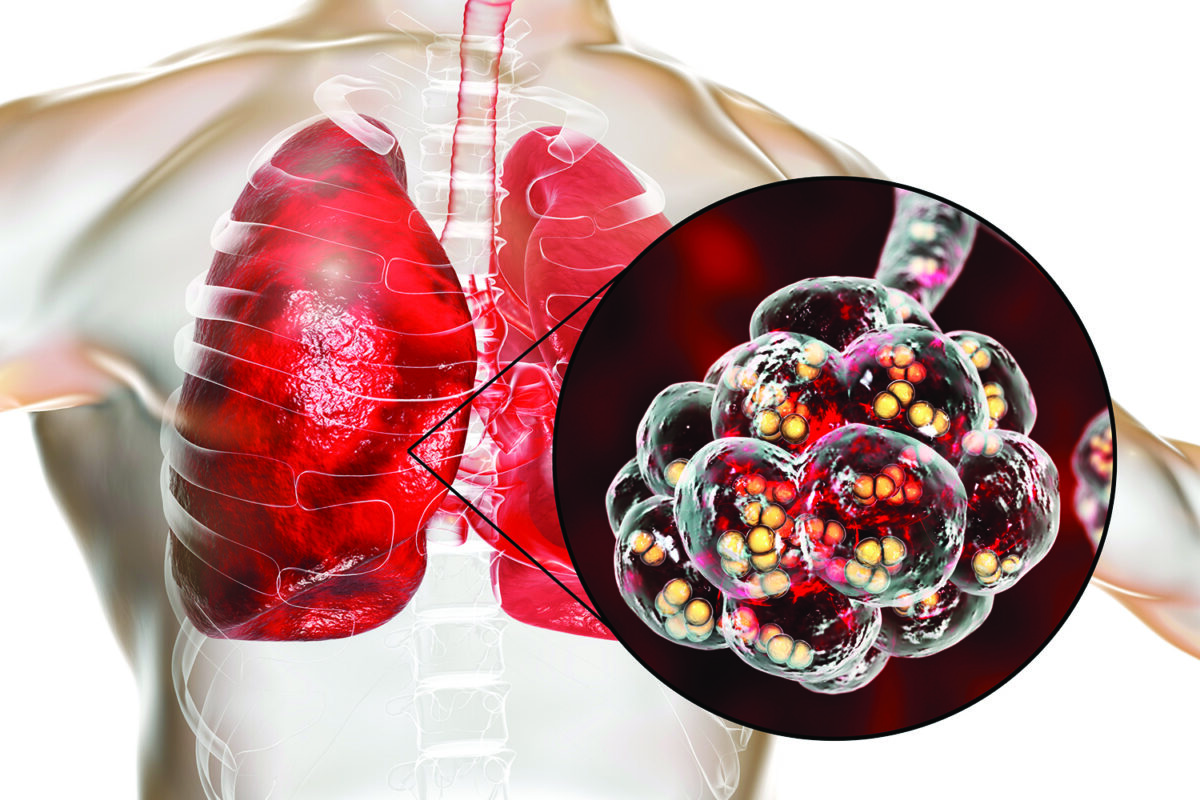
Pneumonia is an acute inflammatory response in the lungs that is triggered by bacteria, viruses, or other harmful organisms. This inflammatory response affects the function of air sacs (alveoli) located deep within the lungs. These tiny sacs are surrounded by a dense network of capillaries, the smallest blood vessels in the body. The oxygen in each breath you take is transferred to the bloodstream via these capillaries. At the same time, carbon dioxide—a waste product produced in the body—is transferred into the alveoli to be expelled when you exhale.
E. Neil Schachter, MD, a Mount Sinai pulmonologist, notes that inflammation is a vital tool the immune system uses to promote healing.
“Immune cells and biochemical agents are attracted to infected and/or injured tissue to sterilize the area and promote healing,” Dr. Schachter explains. “But in the lungs, this inflammatory response can cause a buildup of fluid and white blood cells in the alveoli that inhibits the lungs’ vital function of delivering oxygen to the blood and ridding the body of carbon dioxide. Moreover, if the infection spreads to the capillaries through this system, pneumonia can cause sepsis.” The latter is an extreme immune response that can harm body tissues and organs.
Types of Pneumonia
Pneumonia can be caused by a wide variety of bacteria, viruses, and fungi. It also is possible to develop pneumonia if you inhale a substance, such as infected material from the upper airway or vomited material, and are not able to eject it through coughing and the lungs’ normal clearing mechanisms.
Dr. Schachter says pneumonia is classified in a number of ways, primarily by the germs that cause it and whether it is community versus hospital acquired.
- Bacterial pneumonia is most commonly caused by the bacteria Streptococcus pneumoniae (also known as pneumococcus). S. pneumoniae frequently is present in your nose, throat, and sinuses, but it usually doesn’t cause problems if you are in good health. “However, if you or your immune system is weakened, it is possible for S. pneumoniae to migrate to the small airways and the alveoli, where the germs proliferate and cause inflammation and tissue damage,” Dr. Schachter says.
- Viral pneumonia usually results from an infection with a common virus, such as the influenza virus, COVID-19 or respiratory syncytial virus (RSV). “Viral pneumonia often is milder than bacterial pneumonia, but it can become serious, requiring critical care treatment,” Dr. Schachter says. “Sometimes it can be fatal, especially if the infection becomes widespread and the alveoli fill with fluid throughout both lungs.”
- Mycoplasma pneumonia is caused by Mycoplasma pneumoniae (M. pneumoniae), a germ that has features of both a virus and bacteria. “This type of pneumonia usually affects children and young adults and is characterized by a gradual onset with cough and low-grade fever,” Dr. Schachter says. “It is sometimes designated as ‘atypical pneumonia.’”
- Fungal pneumonia is caused by certain types of fungi. Three are found primarily in the soil in various regions of the United States: Coccidioides, which is present mainly in southern California and the desert Southwest; Histoplasma, which occurs in the Ohio and Mississippi River valleys; and Cryptococcus, which is widely present throughout the world. “Most healthy people will not develop serious respiratory infections from exposure to these common fungi, but when the immune system is depressed—as with a type of blood cancer called lymphoma or in people with HIV—the respiratory defense system can be overwhelmed and the patient critically infected,” Dr. Schachter explains. He adds that this type of pneumonia also may be caused by a yeast-like fungus called Pneumocystis jirovecii (P. jirovecii) that lives in the lungs of many people without causing illness. Pneumonia caused by P. jirovecii is called pneumocystis pneumonia and is most commonly associated with a depressed immune system.
- Aspiration pneumonia is a bacterial infection that may occur if a person has problems with swallowing. These difficulties allow material in the upper airway, such as saliva, stomach acid, food, liquids, or small objects, to enter the windpipe (which is normally closed when swallowing) and lower air passages, clogging them with irritating, often infectious, material. “The pneumonia develops when the individual cannot cough the aspirated material out of their lungs and the infectious material proliferates,” Dr. Schachter explains.
- Walking pneumonia actually is not truly a medical term, Dr. Schachter says. “It refers to pneumonias of many different causes that are associated with mild disease,” he adds. “A type of pneumonia caused by M. pneumoniae is in this category. Although it typically is a mild infection that doesn’t require hospitalization, some people can have severe symptoms.”
- Community-acquired pneumonia, as the name implies, is pneumonia resulting from infections acquired outside of medical facilities.
- Hospital-acquired pneumonia is pneumonia that develops in people who are hospitalized or reside in nursing homes and other long-term care facilities. “These pneumonias are caused by germs—particularly bacteria—that are found in these institutional settings and affect seriously debilitated individuals,” Dr. Schachter says.
Is Pneumonia Contagious?
The germs that may precipitate pneumonia can be contagious.
“Viruses that are associated with pneumonia are considered the most contagious, but viral infections do not always cause pneumonia,” Dr. Schachter says. “Mycoplasma pneumonia is contagious. Bacteria that can cause pneumonia, such as pneumococcus, usually are not considered contagious for healthy individuals, and the same applies to pneumonia caused by fungal or parasitic organisms. More generally, contagion usually depends on the germ’s virulence and the condition of the exposed individual.”
How Does Pneumonia Spread?
Viral pneumonia develops from respiratory infections like the flu, COVID-19, and respiratory syncytial virus (RSV).
“These are spread through respiratory droplets that remain suspended in the air for some time after infected people sneeze, cough, or even just talk,” Dr. Schachter explains. “The flu can survive for up to 48 hours on surfaces like doorknobs and light switches, while RSV may survive for up to about six hours outside the body. While the COVID-19 virus also can survive on hard surfaces, the risk for this type of contact spread is fairly low.”
Bacterial pneumonias also can be spread to others in the same way as the viruses that cause flu, RSV, and COVID-19, particularly in susceptible individuals. “However, bacterial pneumonia caused by pneumococcus usually is self-acquired, resulting from germs already present in the affected person’s airway,” Dr. Schachter clarifies.
Who Is at Risk for Pneumonia?
Older adults are at particular risk for bacterial pneumonia because immunity wanes with age. “A similar vulnerability is seen in children younger than 5 years of age, since their immune system is immature and less able to fight infections and they have smaller airways that are more easily blocked,” notes Dr. Schachter.
Immunity against bacterial pneumonia also may be weakened by viral infections such as colds, the flu, and COVID-19, and by chronic health conditions like chronic obstructive pulmonary disease (COPD), heart failure, and diabetes. “Bacterial pneumonias with unusual germs are a common factor in hospital-acquired pneumonia, which may affect people who are sick enough to be hospitalized for other illnesses, particularly if they need to be on a ventilator,” Dr. Schachter says. “People who reside in long-term care facilities also are vulnerable to bacterial pneumonia, as are smokers, due to the fact that toxins contained in tobacco smoke damage the airways and the immune system.”
Viral pneumonia risk factors include being infected with the flu, RSV, or COVID-19. People who have heart or lung disease and/or take immunosuppressant drugs—for example, corticosteroids (which are used to treat COPD and rheumatoid arthritis) and chemotherapy—are susceptible to viral pneumonia, too.
Fungal pneumonia is not common in people who are generally healthy, even if they are exposed to the fungi that can cause the condition. People at greatest risk for pneumonia from these organisms include those with weakened immune systems, especially people with HIV/AIDS or cancer, and those taking immunosuppressant drugs.
Walking pneumonia is most common in young adults and children, while aspiration pneumonia tends to affect people ages 65 and older, particularly if they reside in a nursing home.
“Other vulnerable groups include people who have swallowing difficulties due to a previous stroke or a condition like Parkinson’s disease, those who frequently are impaired by alcohol consumption, and children under age 5, who often put small objects into their mouths or noses and aspirate them,” Dr. Schachter adds. Another common risk factor for aspiration pneumonia is gastroesophageal reflux disease (GERD), which causes stomach acid to flow backward out of the stomach and into the esophagus. People with GERD may aspirate the acid into their lungs, especially while they are asleep.
Symptoms of Pneumonia
The speed with which pneumonia symptoms manifest, along with their severity, can be a clue as to which type of pneumonia is present.
- Bacterial pneumonia symptoms appear suddenly and usually include fever, shortness of breath, stabbing chest pain, fatigue, and night sweats.
- Viral pneumonia symptoms usually develop more gradually and often mimic flu symptoms (fever, cough, headache, muscle aches, and weakness). Difficulty breathing increases as the disease progresses. Dr. Schachter emphasizes that both bacterial and viral pneumonia may present atypically in older adults. “They may become lethargic and/or confused or may suffer falls,” he says. “Coughing may be slight or even absent, with no sputum produced. Similar symptoms occur with walking pneumonia, but it is common for people with this type of infection to have mild symptoms.”
- Fungal pneumonia symptoms are like those that occur in viral and bacterial pneumonia, but in some cases, fatigue is more severe. “People with fungal pneumonia also may be more likely to experience night sweats and weight loss,” Dr. Schachter adds.
- Aspiration pneumonia symptoms include fever and shortness of breath. A person with aspiration pneumonia may cough up blood and/or pus, too. The symptoms of aspiration pneumonia may manifest weeks after the object causing it was inhaled.
Preventing Pneumonia and Its Spread
Preventive vaccines are the main line of defense against pneumonia and are recommended for young children, older adults, and people with pneumonia risk factors. Unfortunately, vaccine hesitancy has led many Americans to avoid effective vaccines, particularly with respect to childhood immunization.
“Multiple well-designed studies have shown that routine vaccines are safe and can help prevent serious illness and death,” Dr. Schachter says. “Your doctor is the best person to ask for advice.”
Several pneumonia vaccines that target pneumococcus are available—Dr. Schachter recommends you discuss the options with your doctor. It also is important that anyone ages 6 months and older get the annual flu shot once it becomes available, since flu can cause viral pneumonia. An RSV vaccine also is available and is recommended for adults 75 and up, those ages 50 to 74 who are at high risk for RSV, pregnant women, children younger than 8 months, and those 8 to 19 months who are considered high risk for RSV. Get your updated COVID-19 shot when it is available, too—these vaccines are recommended for people ages 6 months and older.
Also follow these precautions to further reduce your risk of being exposed to infections that can cause pneumonia:
- Wash your hands frequently, and keep a small bottle of alcohol-based hand sanitizer with you for when you can’t access soap and hot water.
- If you reside in a nursing home or are admitted to the hospital, make sure your caregivers (medical and family) wash their hands before touching you.
- If possible, avoid crowded environments during seasonal outbreaks of the flu, RSV, and COVID-19. In particular, try to avoid nonessential doctor’s appointments if the office is likely to be full of people with these viruses.
- You may lower your risk for viral pneumonia if you wear a facemask when you are in enclosed places with other people who may be infectious.
If you are at risk for aspiration pneumonia due to swallowing difficulties, work with a physical therapist or speech therapist who can show you strategies that make it easier to safely swallow food and liquids. Such strategies include sitting upright to eat and chewing small mouthfuls slowly and thoroughly. People who have a problem with alcohol should ask their doctor for help, since alcohol also is associated with an increased risk of pneumonia.
“If you have GERD and stomach acid regurgitation is placing you at risk for aspiration pneumonia, your doctor likely can prescribe medications that will help,” Dr. Schachter says. “In the case of young children, limit their access to very small objects they might inadvertently inhale.”
People who are at risk for fungal pneumonia should avoid areas and organic matter that may have high levels of fungi, including caves and other places that may be contaminated by bat and bird droppings, and areas with excessive dust, such as construction sites. Also take the precaution of wearing an N-95 facemask if you are gardening or spending time in a damp, moldy environment.
When to Seek Medical Care
Dr. Schachter reiterates that the likelihood of pneumonia is greater if you are 65 or older, if you have serious underlying conditions such heart disease, diabetes, chronic lung disease, or any illness that affects your immune system directly, or if you take certain medications. He notes that the usual signs and symptoms associated with pneumonia are fever, chills, shortness of breath, cough (particularly if it is accompanied by yellow, green or even bloody mucus), severe dizziness (a sign of low blood pressure), a fast heartbeat and or respiratory rate, and pain with deep breathing or coughing.
“None of these are specific, and they may occur with other potentially serious chest conditions,” he adds. “However, the more of them that you experience, the more urgent the need to seek medical attention.”
Once pneumonia is diagnosed, treatment will depend on what type of pneumonia you have, as well as how severe it is. Acetaminophen (Tylenol) is the preferred option for easing a fever in older adults, since nonsteroidal anti-inflammatory drugs (NSAIDs) like ibuprofen (Advil, Motrin) and naproxen (Aleve) are associated with gastrointestinal bleeding in this age group. If acetaminophen is not providing sufficient relief, discuss with your doctor whether you can safely take NSAIDs.
“Bacterial pneumonia and aspiration pneumonia are treated with antibiotics, and supplemental oxygen also may be needed,” Dr. Schachter says. “You may be able to rest at home while you are treated, but if you are particularly unwell and have other chronic conditions, your doctor may recommend hospitalization to allow closer monitoring. People ages 65 and older and children ages 2 and younger are significantly more likely to require hospitalization than other groups.”
Antifungal drugs are used to treat fungal pneumonia, and these medications may need to be taken for long periods depending on how ill a person is. “Since these drugs can harm the liver and kidneys, you should be closely monitored while taking them,” Dr. Schachter notes. “Oxygen also may be needed in severe cases.”
In people who have deficient immune systems or require immune-suppressing drugs, care includes treatment of the underlying condition and reduction or elimination of medications that depress the immune system.