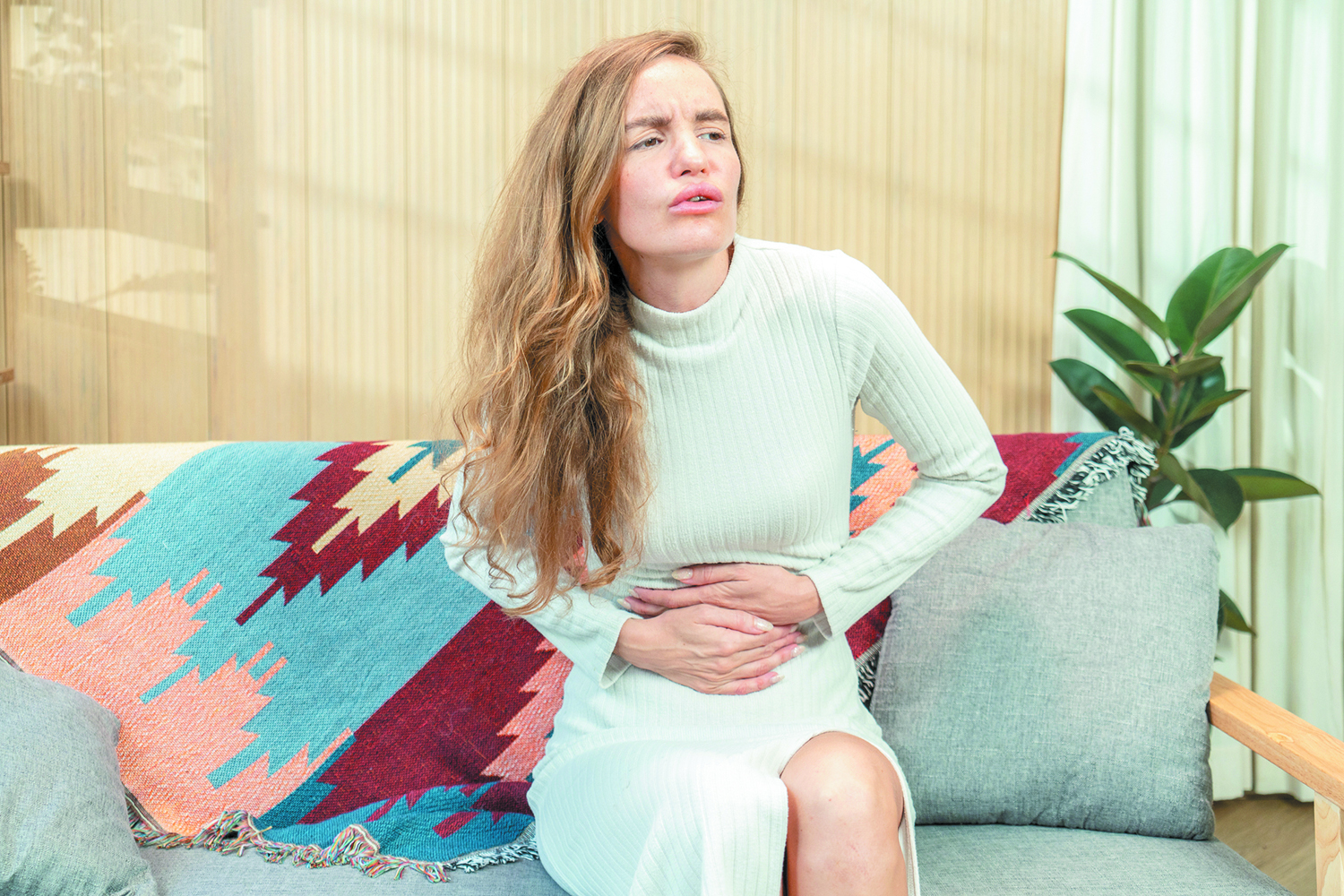
Food poisoning happens when you eat food or drink water that’s been contaminated with harmful bacteria, viruses, or toxins. It’s more common than you might think—millions of people get it every year. While most cases are mild and go away on their own, it’s important to recognize food poisoning symptoms so you can take care of yourself and know when to seek help.
- Raw or undercooked eggs, seafood, or meats and poultry
- Unpasteurized dairy products
- Raw sprouts (like alfalfa or bean sprouts)
- Unwashed fruits and vegetables
- Ready-to-eat deli meats
- Improperly stored or reheated leftovers
What Are the Symptoms of Food Poisoning?
Food poisoning symptoms can start within hours or take a few days to appear, depending on the cause. The most common signs include:
- Nausea and vomiting
- Diarrhea (often watery or even bloody)
- Stomach cramps or pain
- Fever
- Headache or muscle aches
- Loss of appetite
- Fatigue or weakness
How Long Do Food Poisoning Symptoms Last?
Food poisoning symptoms usually last from a few hours to several days. In most cases, your body will recover with rest, fluids, and time.
However, sometimes, food poisoning can be serious. You should seek medical help if you notice:
- High fever (over 101.5°F or 38.6°C)
- Bloody diarrhea
- Signs of dehydration, like dry mouth, dizziness, or very little urine
- Vomiting that lasts more than two days
- Diarrhea that lasts more than three days
- Severe abdominal pain or swelling
Young children, older adults, pregnant people, and those with weakened immune systems are more at risk of complications, so don’t wait to get help if someone in those groups shows serious symptoms.
What Causes Food Poisoning?
Food poisoning is often caused by bacteria like Salmonella, E. coli, or Listeria. It can also come from viruses (like norovirus) or parasites. Contaminated foods might look and taste normal, which is why it’s so important to handle, cook, and store food safely.
How to Treat Food Poisoning
Usually, food poisoning can be managed at home, beginning with good hydration. Staying hydrated and maintaining a good electrolyte balance are perhaps the most important steps you can take while your body overcomes food poisoning. Taking over-the-counter medications can help relieve symptoms like diarrhea.
But, the best treatment against food poisoning is to prevent it from happening in the first place. To reduce your risk of food poisoning, wash your hands and cooking surfaces often, keep raw meat separate from other foods, cook to proper temperatures, and refrigerate leftovers right away.
The Bottom Line
Most cases of food poisoning are uncomfortable but not dangerous. Recognizing food poisoning symptoms can help you take quick action and feel better faster, and knowing when to call a doctor can protect your health in more serious cases.