Picture the scene: you’re spending the weekend hiking through sunlit woods, staying vigilant for bears as you go. What you might not be on the lookout for is a much tinier woodland species—the lone star tick.
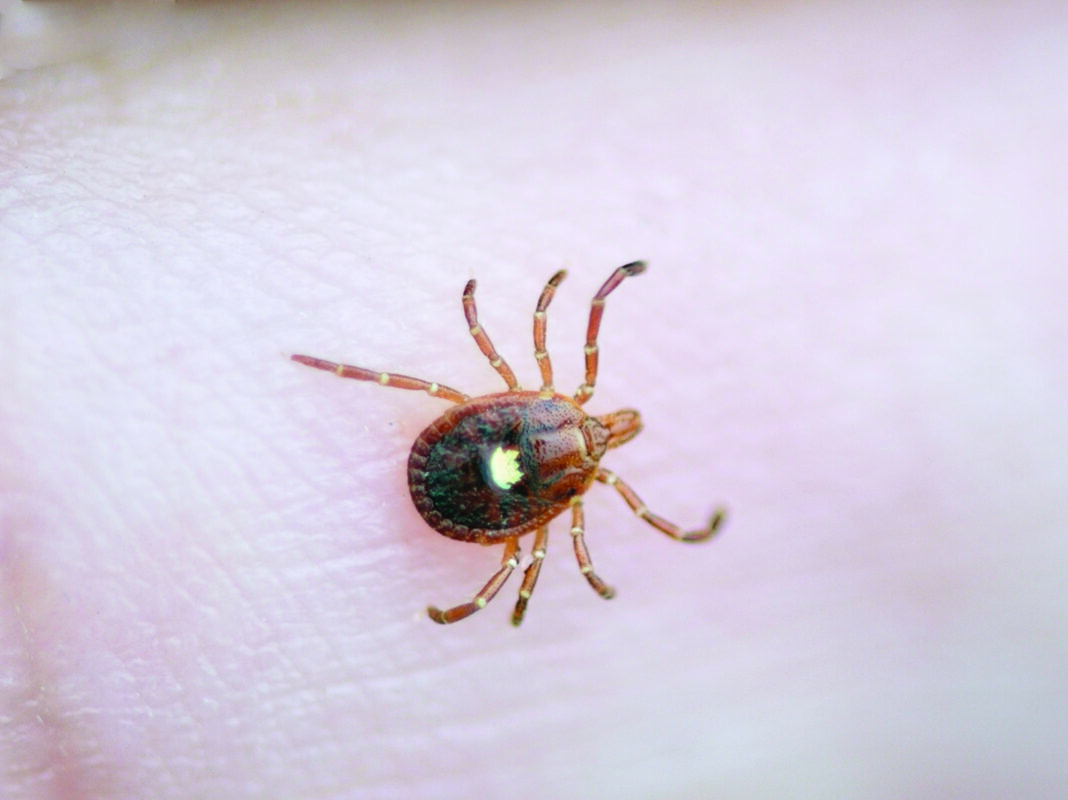
If you aren’t taking precautions against these increasingly widespread insects, make sure you do any time you venture into the great outdoors. That’s because the bite of the lone star tick (so-called because adult females have a distinctive white spot on their backs) can cause a potentially life-threatening allergy called alpha-gal syndrome.
What Is Alpha-Gal Syndrome?
Alpha-gal syndrome is an allergy to a sugar molecule—alpha-gal—that humans no longer have. Research suggests that our ancient ancestors probably did have it present in every cell, but at some point, evolution stepped in and stopped the human body from producing it. Conversely, many other mammals—including cows, pigs, sheep, deer, and rabbits—still carry alpha-gal in their bodies, meaning that people who eat meat from these species often are exposed to it.
However, Roshni R. Naik, MD, MBA, a Mount Sinai allergist and immunologist, notes that exposure to mammalian meat is not what causes issues.
“The inciting event is a tick bite which introduces alpha-gal tick saliva from the lone star tick into the human body,” she explains. The human body then develops an allergy—specifically an alpha-gal-specific immunoglobulin E (IgE) antibody against alpha-gal in red meat. “For this reason, you may hear alpha-gal syndrome described as red meat allergy or tick bite meat allergy,” Dr. Naik adds.
What Causes Alpha-Gal Syndrome?
So how exactly does the bite of the lone star tick trigger alpha-gal syndrome symptoms? And given that we all carry alpha-gal antibodies, why doesn’t everybody who gets bitten by a tick—or, for that matter, everybody who eats red meat—develop the condition?
When we consume meat from alpha-gal carriers, it is processed in the gastrointestinal (GI) tract. “Interestingly, many of the normal bacteria that live in our gut carry alpha-gal or similar sugars,” Dr. Naik observes. “This means that almost everyone’s immune system already ‘knows’ alpha-gal and makes mild, harmless antibodies against it.” These antibodies are called immunoglobulin M (IgM) and immunoglobulin G (IgG). “They are not the kind of antibodies that cause allergic reactions, and lifelong contact with alpha-gal-carrying gut bacteria essentially teaches them to be tolerant,” Dr. Naik says. “So, when we eat meat, the gut treats alpha-gal as harmless, and no allergy develops.”
Conversely, a tick bite introduces alpha-gal into the skin. “The tick’s saliva contains alpha-gal, and when it enters the skin, the immune system reacts very differently than the gut does,” Dr. Naik says. “Special immune cells in the skin grab the alpha-gal and carry it to the nearest lymph nodes. Inside the lymph nodes, immune cells switch to making a powerful ‘alarm’ antibody.” Called immunoglobulin E (IgE), this antibody is specifically aimed at alpha-gal. “Once a person has made IgE against alpha-gal, they are ‘sensitized,’ meaning that their body is now primed to react to it,” Dr. Naik explains. “The next time you eat mammal meat—such as beef, pork, lamb and venison—your immune system treats it as a threat and launches a response.” In short, it’s the route of entry—through the skin—that flips the switch.
With that said, some people don’t develop a red meat allergy after a lone star tick bite. In fact, some people carry the alpha-gal “allergy antibody” in their blood but never have any symptoms at all. “It isn’t clear why certain individuals are more susceptible to developing the allergy than others, though scientists are trying to find out,” Dr. Naik observes. “Some posit that it may be due to how often a person has been bitten by lone star ticks or be the result of genetic or immune system differences.”
The lone star tick is responsible for most recognized cases of alpha-gal syndrome in the United States. Unlike many ticks, which tend to wait on vegetation for a passing host to brush against them, lone star ticks actively seek out hosts. Their larvae are extremely small and can occur in large groups, making them difficult to spot and meaning that several may bite you at once.
You also can develop alpha-gal syndrome after being bitten by the blacklegged tick (also known as the deer tick), but this is rare. “The blacklegged tick is most associated with Lyme disease, while another potentially serious disease, Rocky Mountain spotted fever, is spread by several tick species, including the American dog tick, Rocky Mountain wood tick, and brown dog tick,” Dr. Naik says.
Other tick species that aren’t present in the United States transmit alpha-gal syndrome and other diseases, meaning that the tick-bite-prevention steps recommended in this article are just as advisable when traveling abroad as they are in the U.S.
Symptoms of Alpha-Gal Syndrome
Alpha-gal symptoms can be inconsistent when it comes to their severity and whether they occur randomly or every time meat is eaten. “There also is a delayed allergic reaction, with alpha-gal symptoms typically developing two to six hours after eating,” Dr. Naik adds.
Commons symptoms include:
- Skin reactions, including hives (a bumpy rash), flushed skin, and itchy skin.
- GI reactions, including nausea, vomiting, and diarrhea.
- Respiratory system reactions, including coughing, wheezing, shortness of breath, and a tight feeling in the chest.
- Cardiovascular system reactions, including low blood pressure that may cause dizziness and/or fainting.
- Anaphylaxis, a severe potentially fatal allergic reaction that causes rapid swelling of the lips, tongue, throat, and face, along with trouble breathing and sudden drop in blood pressure.
What Foods and Products Can Trigger a Reaction?
It’s not just red meat that can cause alpha-gal syndrome symptoms—non-food items may cause a person to react, too. Triggers include:
- Red meat (beef, bison, lamb, pork, rabbit, venison) and organ meats (kidney, liver).
- Foods containing meat stocks, gravy, lard, tallow.
- Gelatin and foods that contain gelatin derived from pig or cow collagen, such as marshmallows, gummy candies, gelatin desserts, and some puddings.
- Dairy products, although it is unusual for these to cause a reaction—if one occurs, it typically is mild.
- Medications that contain gelatin as a stabilizing agent or in their outer capsule, and some medical devices that are made from cow or pig tissue.
The extent of the reaction often differs depending on factors other than the trigger. Certain things can make reactions worse, such as exercise, alcohol, and some pain relievers, including nonsteroidal anti-inflammatory drugs like ibuprofen (Advil, Motrin) and naproxen (Aleve, Naprosyn). “Meats that contain a lot of fat seem to cause more severe reactions,” Dr. Naik adds. “It also is the case that some people are naturally more tolerant than others when it comes to how they respond to common triggers.”
How Alpha-Gal Syndrome Is Diagnosed
Your doctor will ask about your medical history to rule out other causes of your symptoms and also will want to know what kinds of reactions you experience, what foods or medications seem to trigger them, and how long it takes for symptoms to develop after a meal. They also will ask if you frequently spend time outdoors in environments where lone star ticks may be present, and whether you routinely take preventive measures against tick bites.
The main diagnostic test is a blood test that looks for alpha-gal IgE. “This is the most important lab test for making the diagnosis,” Dr. Naik confirms. “Again, a positive blood test by itself doesn’t always mean you have the allergy. Some people have the antibody in their blood but can still eat meat without any problem. That’s why your symptoms and diet response matter just as much as the test.”
She adds that you also may undergo skin testing to check for allergic reactions, but Dr. Naik cautions that this testing is less reliable. “In this test, a drop of meat extract is placed on your skin, and the area is lightly scratched with a small lancet so that the extract enters the top layer of skin,” she explains. “If that spot itches and forms a raised bump with a red ring within about 15 to 20 minutes, it points toward an allergy. But because standard skin tests often miss alpha-gal syndrome, we usually rely more on blood testing.”
It can take a long time to be diagnosed with alpha-gal syndrome, partly because the allergy often doesn’t develop until weeks or months after a person is bitten by a tick carrying the alpha-gal molecule. Moreover, symptoms typically don’t set in until hours after the person eats meat, whereas most other food allergies cause a reaction sooner. “People often don’t connect the reaction to a meal they ate hours earlier,” Dr. Naik says. Also, you might have no symptoms on one occasion when you consume meat but then react the next time you eat it.
How Alpha-Gal Syndrome Is Treated
There isn’t a cure for alpha-gal syndrome—managing the condition depends on avoiding trigger foods (mentioned above). Be vigilant about reading ingredient labels, dietary supplement labels, and medication information guides. If any maintenance medications you take are in capsule form, ask your doctor if he or she can prescribe a different formulation.
Your alpha-gal treatment regimen may include taking an antihistamine drug to relieve hives or itching if you unknowingly consume a trigger food. If you have ever suffered a severe anaphylactic reaction to a trigger food, you probably will be advised to carry an epinephrine auto-injector device (Epi-Pen) with you at all times. Epinephrine is a synthetic form of adrenaline, a hormone that can rapidly relieve anaphylaxis so that you can breathe again. If you have a history of severe alpha-gal symptoms and carry an epinephrine device, consider wearing a medical alert bracelet.
Be sure to discuss with your allergist what constitutes emergency alpha-gal symptoms and what you should do if you react severely to a trigger food or substance. Also be guided by your allergist if you are considering reintroducing trigger foods. “Some people with alpha-gal syndrome are able to do this if they are certain they have gone several years without tick bites and their blood tests indicate that their alpha-gal IgE antibody levels have dropped or returned to normal,” Dr. Naik says.
How to Prevent Alpha-Gal Syndrome
Preventing tick bites is key for avoiding alpha-gal syndrome (and exacerbating the condition if you already have it). The following precautions also can protect you against other tick-borne diseases:
- If you frequently hike, avoid wooded and brushy areas with high grass and leaf litter, and walk in the center of trails.
- Wear long-sleeved shirts, long pants (tucked these into your socks), and a hat.
- Use repellents that contain 20% to 30% DEET on exposed skin and clothing, and products that contain permethrin to treat clothing and gear, such as boots, pants, socks, and tents.
- After coming indoors, bathe or shower as soon as possible to wash off any ticks that might be crawling on you.
- Conduct a full-body tick check using a handheld or full-length mirror to view all parts of your body, including your scalp, after returning home from tick-infested areas.
- Examine clothing, gear, and pets for ticks after spending time outdoors (also speak to your vet about effective tick prevention medications for dogs and outdoor cats).
- After coming inside, tumble-dry your clothing on high heat for 10 minutes to kill ticks (leave the clothing in the dryer for longer if it is damp).
- If deer frequent your yard, make it less attractive to ticks by clearing away tall grasses, creating a 3-foot-wide mulched or graveled barrier zone around your lawn, and regularly raking any leaves.
- If you discover a tick attached to your skin, remove it with tweezers. Grip the tick as close as possible to the surface of your skin and pull upward with steady, even pressure. Don’t twist the tick, since its mouthparts may detach and remain embedded in your skin. After removing the tick, wash the bite area with soap and water.
When to See a Doctor
If you experience any symptoms a few hours after eating meat, tell your doctor. “This is particularly important if the symptoms occur after you have been bitten by a tick or have spent time in an environment that has ticks,” Dr. Naik warns.
Anaphylaxis happens rapidly and can be fatal if not immediately treated. “If you have alpha-gal syndrome and suspect you may be suffering a severe allergic reaction, use your epinephrine auto-injector and call 911,” Dr. Naik advises.