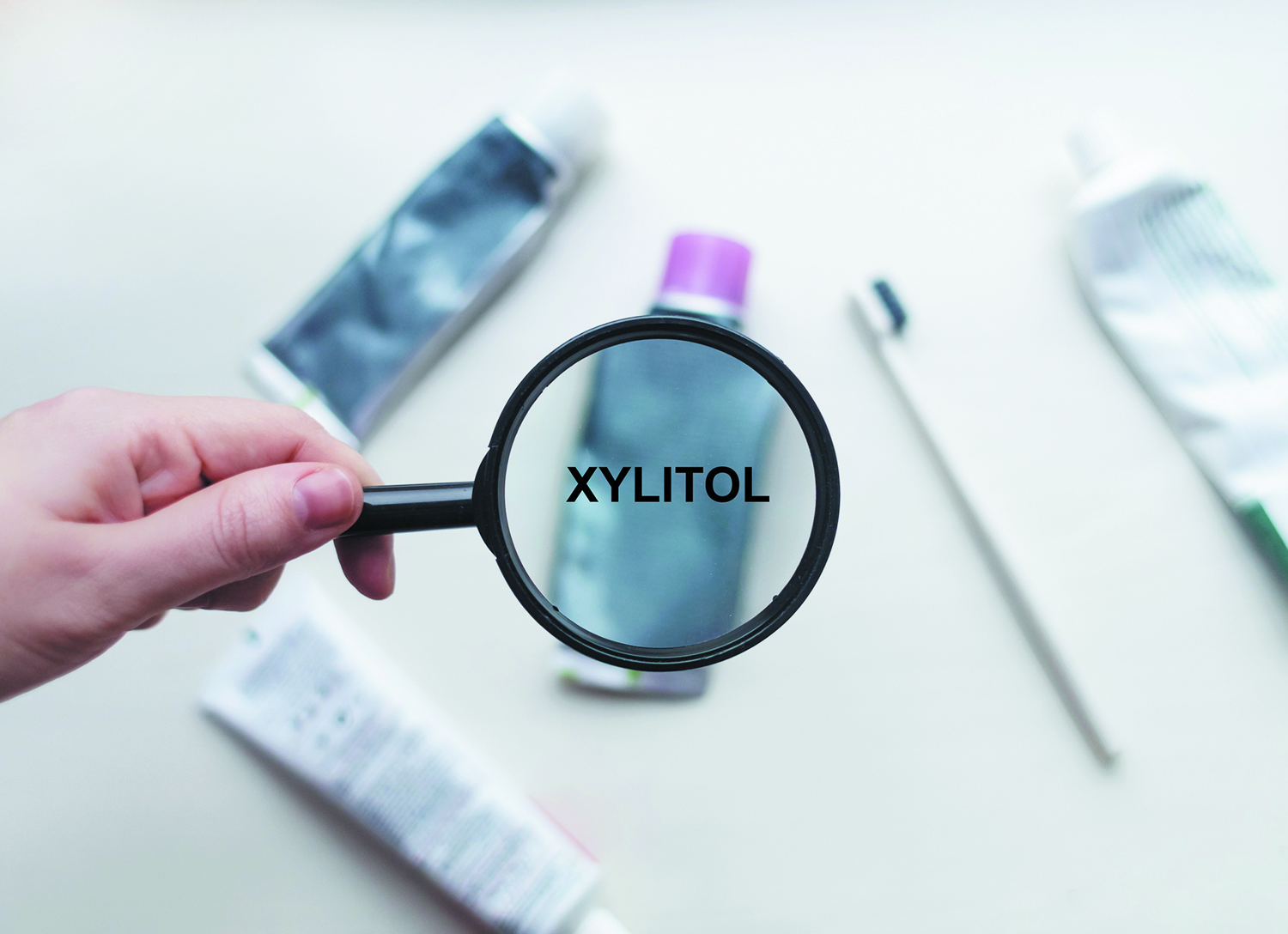
If you’ve ever chewed sugar-free gum or, in a fit of boredom, studiously reviewed the label on a tube of toothpaste, you might have seen the word xylitol among the ingredients. But what is xylitol?
This ingredient is part of a family of sweeteners known as sugar alcohols. Don’t let the name fool you: These compounds do not contain alcohol like beer or wine. So, what is xylitol made from, then? The name is drawn from their chemical makeup, which looks a little like compounds of sugar and alcohol.
Sugar alcohols are naturally occurring in very small amounts in some fruits and vegetables, but most of the ones used in foods today are created in labs. These ingredients are especially popular because they taste sweet but contain fewer calories and do not raise blood glucose compared with regular sugar.
About Sugar Alcohols
Sugar alcohols are a type of carbohydrate that cannot be fully absorbed by the body. As such, they provide fewer calories than sugar, ranging from almost zero to about three calories per gram versus four calories per gram in regular sugar.
Products containing sugar alcohols include:
- Sugar-free gum and candy
- Baked goods
- “No sugar added” spreads and jams
- Beverages
- Toothpaste and mouthwash
Some of the most common sugar alcohols include xylitol, erythritol, sorbitol, and maltitol. Food makers choose sugar alcohols not only to provide sweetness, but also because they support food textures, hold in moisture, and prevent over-browning when heated.
What Is Xylitol?
Out of all of the sugar alcohols, xylitol gets the bulk of our attention. It tastes almost exactly like sugar but has roughly 40% fewer calories, making it a go-to choice for many sugar-free or reduced-sugar products, including:
- Gums and mints
- Sugar-free candies and baked goods
- Jellies and spreads
- Toothpaste
- Mouth rinses
Why Choose Xylitol Products?
What is xylitol’s biggest perk? One relates to its impact on dental health. The types of bacteria that cause cavities “love” to consume sugar, but they cannot use xylitol as an energy source. In fact, research shows that regular use of xylitol-containing gum or toothpaste may actually help reduce the incidence of cavities.
Additionally, since xylitol is only partly absorbed in the gut, it doesn’t raise blood glucose or insulin levels the same way that regular sugar does. For people with diabetes or those who are working to manage blood sugars, xylitol-containing foods may provide a useful and smart option.
Xylitol also has potential gut health benefits. Because some xylitol makes it to the large intestine (colon), it may act like fiber and support good gut bacteria. This area of research is still developing, but early studies suggest benefits for the gut and digestive health.
Is Xylitol Bad for You?
Xylitol is generally considered safe for people, but like all sugar alcohols, eating too much can lead to stomach upset. Common side effects include gas, bloating, or diarrhea. The amount that’s considered “too much” varies—many people can easily tolerate small amounts (like a few pieces of gum) but may notice more issues if they eat a large amount of sugar-free candy.
One concern about sugar alcohols pertains to their potential effects on cardiovascular health. In one study, researchers analyzing blood samples from more than 3,000 people in the United States and Europe reported that higher amounts of xylitol in the blood were associated with a greater risk of major adverse cardiovascular events (e.g., heart attack and stroke), as well as an increased propensity for blood clot formation (European Heart Journal, June 6, 2024). In a separate investigation, the researchers reported similar findings for erythritol (Arteriosclerosis, Thrombosis and Vascular Biology, September 2024).
Importantly, xylitol is very dangerous for dogs. Even if only a small amount is consumed, it can cause life-threatening health issues. Always keep xylitol products far from pets.
The Bottom Line
Sugar alcohols, and xylitol products in particular, are popular for many reasons. They reduce calories, have less impact on blood sugar, and, in the case of xylitol, may even help protect your teeth. A possible trade-off is that eating too much can cause stomach discomfort and gastrointestinal upset, and questions remain about the cardiovascular safety of xylitol products and other sugar alcohols.
For most people, choosing xylitol-containing gum or sugar-free treats is a simple way to reduce sugar while also keeping some sweetness in the diet. But like always, the healthiest foundation is made of whole, minimally processed foods (like fruits, veggies, whole grains, and lean proteins). So, consider sugar alcohols as an occasional helper but not the main event.