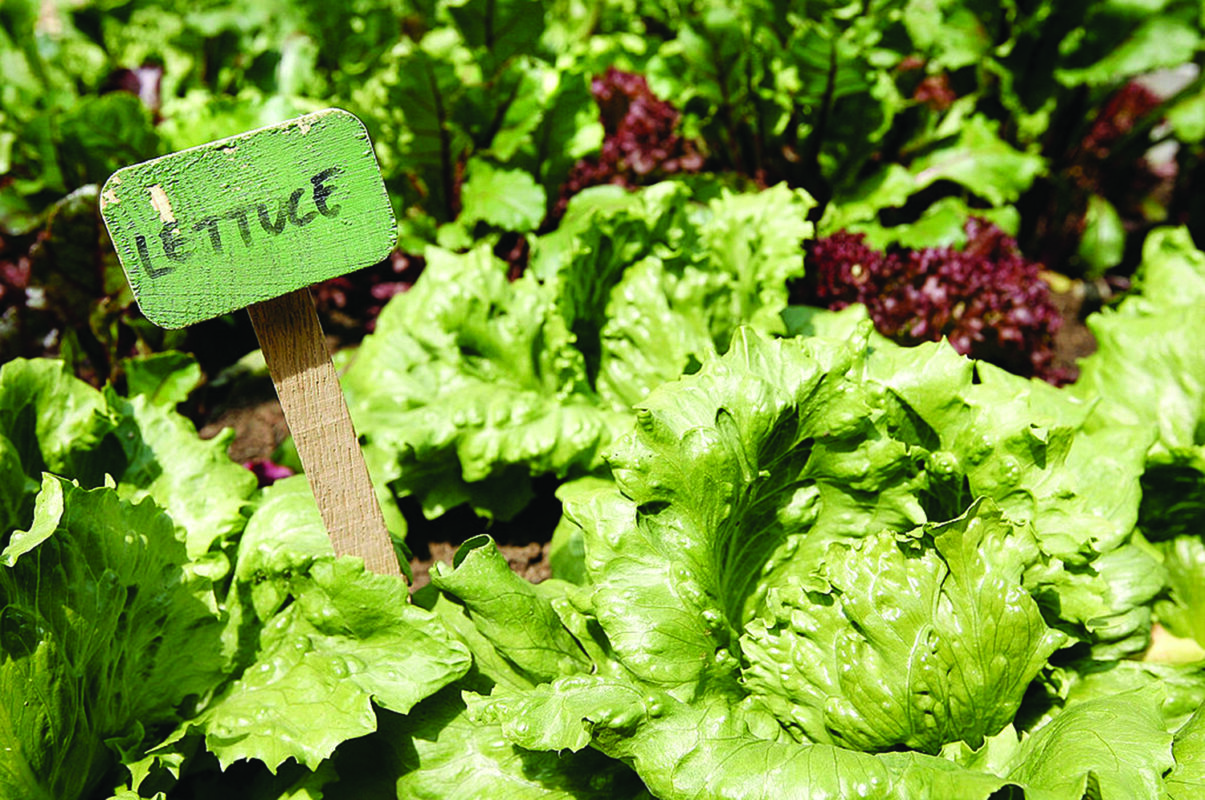
Lettuce is one of the most commonly eaten vegetables in the United States.
Each type of lettuce offers its own flavor, texture, and nutritional profile. Understanding the differences can help you build more interesting meals, add variety to your diet, and maximize the nutritional value of your salads and other dishes.
What Is Lettuce?
Lettuce (Lactuca sativa) is a leafy vegetable grown primarily for its edible leaves. It is a member of the Asteraceae, or daisy, family. It is a staple ingredient in salads, but it’s also widely used in wraps, sandwiches, tacos, grain bowls, and even grilled dishes. Lettuce is naturally low in calories while providing water, fiber, vitamins, minerals, and plant compounds that support overall health.
Although all lettuce varieties offer nutritional benefits, they differ significantly in flavor, texture, and nutrient density. Darker green varieties generally contain higher levels of vitamins and antioxidants than lighter-colored types. However, as nutrition expert Dana Hunnes, PhD, MPH, RD, notes, “Overall, any of these is a better choice than not eating any lettuce.” Lettuce and related greens provide “crunch, texture, fiber, flavor, and satiation because of their bulk,” she adds.
The Four Main Types of Lettuce
Lettuce is broadly categorized into four main types:
Romaine Lettuce
Romaine is one of the most popular and nutritious lettuce varieties. It forms elongated heads with sturdy ribs and crisp, dark-green leaves. Romaine’s crunchy texture and slightly sweet flavor make it a favorite for Caesar salads. For a different preparation, romaine can be lightly grilled, which adds a smoky, charred flavor while preserving much of its crunch.
Among the major lettuce types, romaine provides some of the highest levels of vitamins A and K, along with folate, a B vitamin important for cell growth and healthy red blood cell production. “Romaine has the highest density of these vitamins” compared with iceberg, butterhead, and leaf lettuce varieties, says Dr. Hunnes.
Butterhead Lettuce (Boston and Bibb)
Butterhead lettuce includes the Boston and Bibb varieties. These lettuces form loose heads with soft, tender leaves and a mild, slightly sweet flavor. Nutritionally, butterhead lettuce is a good source of vitamins A and K, folate, and antioxidants.
Its mild flavor pairs well with light vinaigrettes and simple toppings that won’t overwhelm the tender leaves. Butterhead leaves are delicate and flexible, making them excellent for lettuce wraps. Because of its soft texture, butterhead lettuce is best eaten soon after purchase and handled gently during washing and storage.
Crisphead Lettuce (Iceberg)
Iceberg lettuce is the best-known member of the crisphead family. It forms dense, tightly packed heads with pale-green leaves and a crunchy texture. Iceberg often gets criticized for being less nutritious than darker greens, but it still provides beneficial nutrients, including vitamin K, folate, fiber, and hydration. Its high water content contributes to its refreshing texture and makes it a low-calorie addition to meals.
Leaf Lettuce (Green Leaf, Red Leaf, Oak Leaf)
Leaf lettuce varieties grow in loose bunches rather than compact heads. Popular types include green leaf, red leaf, and oak leaf. These lettuces have a mild flavor. Green leaf lettuce tends to be slightly sweet, while red leaf varieties may have a somewhat earthier taste.
“Leaf lettuces also to be higher in folate and sometimes in other antioxidants because some can be darker in color or have additional coloring (red-leaf lettuce) that contain additional antioxidants,” Dr. Hunnes notes.
Other Popular Salad Greens
Many leafy greens are commonly used alongside true lettuce varieties. Some are lettuces, while others are entirely different plants that are grouped together in salads because they share a similar leafy texture and culinary use.
- Mesclun (Spring Mix). Mesclun, often sold as spring mix, is a blend of young greens. It may include baby lettuces (true Lactuca sativa varieties) along with non-lettuce greens such as arugula, endive, radicchio, and other tender leaves. Because it is a mix, it contains both true lettuces and non-lettuce greens, with flavors ranging from mild and sweet to peppery and bitter.
- Little Gem. Little Gem is a smaller cultivar of romaine (Lactuca sativa). It combines the sweetness of butterhead lettuce with the crunch of romaine.
- Arugula. Arugula belongs to the mustard family (Brassicaceae) and is related to vegetables like kale and broccoli. It is known for its peppery flavor.
- Watercress. Watercress is another member of the mustard family and delivers a peppery bite while being rich in nutrients, making it a flavorful addition to salads and sandwiches.
- Radicchio. Radicchio is a type of chicory (Cichorium intybus), which also falls under the daisy family but under the cichorium genus. Chicories come into season in the late fall and have a bitter flavor.
- Endive, frisée, escarole. Endive, frisée, and escarole are also chicories (Cichorium species) and are not true lettuces. They offer a crisp texture and a slightly bitter taste.
- Mâche. Also called lamb’s lettuce, mâche is not a true lettuce despite the name. It belongs to a different plant family (Caprifoliaceae) and has a delicate texture with a mild, nutty flavor.
Comparing Lettuce Types: Taste, Texture, and Nutrition
| Type | Taste | Texture | Nutritional Highlights |
| Romaine | Mild, slightly sweet | Crisp and sturdy | High in vitamins A, K, and folate |
| Butterhead | Sweet, buttery | Soft and tender | Good source of vitamins A, K, and folate |
| Iceberg | Very mild | Extremely crunchy | Hydrating; provides vitamin K and folate |
| Green Leaf | Mild and fresh | Tender with some crunch | Rich in vitamins and antioxidants |
| Red Leaf | Mild, slightly earthy | Tender | Contains antioxidants and folate |
| Mesclun | Varies by blend | Tender | Nutritional diversity from mixed greens |
When choosing lettuce primarily for nutrition, darker green and red varieties generally provide more vitamins and antioxidants than paler varieties. However, the best lettuce is often the one you’ll eat regularly. As Hunnes points out, all lettuce varieties contribute fiber, vitamins, and bulk that can improve overall diet quality.
How to Select, Store, and Prepare Lettuce
Choosing fresh lettuce is the first step toward maximizing both flavor and nutrition.
Look for leaves that appear vibrant and healthy. Dr. Hunnes recommends choosing “green leaves that do not look wilted or brown or off color,” while also looking for “the fewest bruises.” Crisp varieties such as romaine and iceberg should feel firm and crunchy. For packaged lettuce, look for the latest expiration date you can find.
At home, store lettuce in the refrigerator’s crisper drawer. If the lettuce is unboxed, wrapping it in a slightly damp paper towel can help maintain moisture and freshness. Before eating, rinse leaves thoroughly under cool running water and dry them well. Don’t wash the lettuce too early. Doing so can cause wilting and spoilage.
Whether you prefer the sturdy crunch of romaine, the tenderness of butterhead, the crisp bite of iceberg, or the colorful variety of leaf lettuces, including more leafy greens in your meals is a simple way to boost nutrition while adding flavor and texture to everyday eating. By eating a variety of lettuces and greens, you can boost the nutritional benefits and explore a variety of flavors and textures.
Experiment with raw versus cooked lettuces and greens as well. Romaine, iceberg and butterhead lettuce can be stir-fried, braised, or charred in just a few minutes, giving them a mellow flavor that is commonly found in Asian dishes.