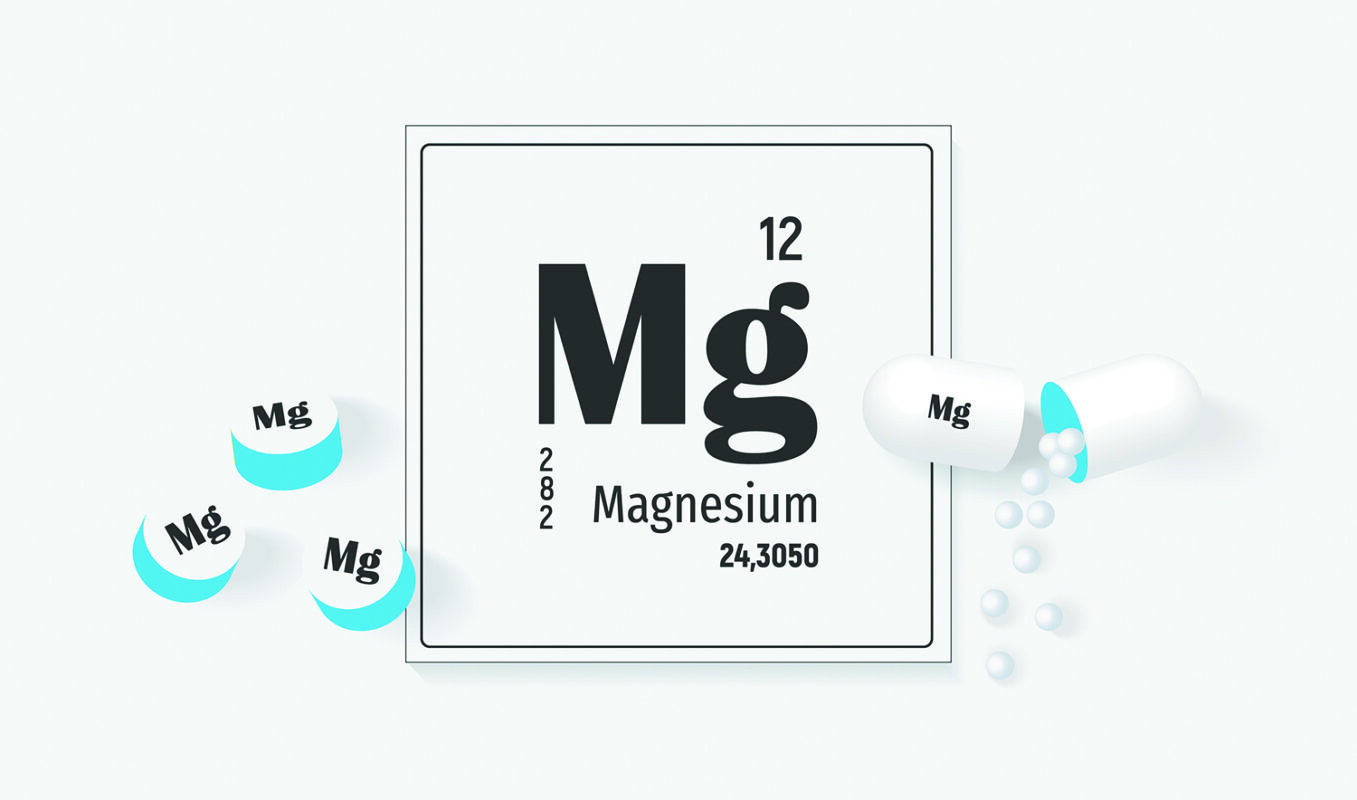
Magnesium plays a key supporting role in over 300 physiological processes throughout your body. Among magnesium’s many functions, it helps to regulate your calcium, blood pressure, and blood-sugar levels, aids in digestion, and contributes to the structural formation of bone and the production of proteins. It also plays a key role in heart rhythm control, nerve conduction, and muscle contraction.
Interest in magnesium has grown recently, bolstered largely by reports about the benefits of magnesium supplements and debate over choosing between two of the more popular forms: magnesium glycinate versus citrate.
“It’s definitely trendy today,” says Cleveland Clinic dietitian Katherine Patton, RD, LD. “Magnesium is a mineral that your body needs to play a lot of different roles, and it has some benefits.”
Magnesium insufficiency or deficiency is relatively uncommon. But if you have medical issues that prevent you from getting sufficient magnesium from foods or you want to gain additional benefits, ask your health-care provider about a magnesium supplement. Understand that not all magnesium supplements produce the same effects, so choosing the right form matters. Then, weigh the choice of magnesium glycinate versus citrate, factoring in your individual health needs, Patton advises.
What Is Magnesium Glycinate?
In supplements, magnesium is commonly combined with other ingredients to produce specific health benefits. For instance, magnesium oxide is used as an antacid, anti-indigestion, and anti-migraine remedy. Or, if you’ve ever taken an Epsom salt bath to ease muscle aches, you’ve dipped into the benefits of magnesium sulfate.
Magnesium glycinate is a popular supplement that combines magnesium with glycine, an amino acid that has antioxidant, anti-inflammatory, and calming properties and has been shown to help reduce stress and improve tissue and metabolic health.
Magnesium glycinate is highly bioavailable, meaning it’s more easily absorbed in the gut than other types of magnesium supplements. It’s available as pills/capsules, powders, and liquids.
What Is Magnesium Citrate?
Another widely used magnesium supplement is magnesium citrate, which combines magnesium with citric acid. This organic acid is found naturally in lemons, limes, and other citrus fruits and is added to an array of food and beverage products to give them a certain taste. In the human body, it plays an important role in energy metabolism, and it can bind to excess calcium in the urine and prevent it from crystallizing and forming kidney stones.
Like magnesium glycinate, magnesium citrate is more easily absorbed in the gut than other forms of magnesium supplements and is available as pills, capsules, powders, and liquids. Also, the magnesium in both supplements can effectively correct dietary deficiencies and support heart and bone health, good nerve function, and muscle relaxation, while also having some modest blood pressure-lowering effects.
| MAGNESIUM GLYCINATE | MAGNESIUM CITRATE |
|
|
Magnesium Glycinate Vs. Citrate: Key Differences
But the two supplements differ in other respects, such as how they’re used and their tolerability:
USES
- Magnesium glycinate: Sleep aid; treatment for migraines, muscle tension/cramps
- Magnesium citrate: Laxative; treatment for migraines, muscle soreness/cramping; kidney stone prevention (potential)
TOLERABILITY
- Magnesium glycinate: Gentler on digestive tract; less likely to cause diarrhea and other side effects than citrate and other types of magnesium supplements
- Magnesium citrate: Due to laxative effect, may be more difficult to tolerate than magnesium glycinate
Benefits of Magnesium Glycinate
Due to its calming effects, magnesium glycinate is widely promoted as a sleep aid, and it may help ease restless legs syndrome. It can relieve stress and benefit individuals with anxiety or migraine headaches. It’s also widely considered to be the best magnesium for muscle cramps or tension.
“I feel that primary care doctors often use magnesium supplements as an option or a first-line safe start before recommending medications to help with sleep or for headaches. I do see doctors recommending it more,” Patton says. “In my experience, if someone is telling me they’re having trouble sleeping, I might suggest magnesium glycinate specifically. It can often help with improving sleep and, possibly, restless legs syndrome and keeping muscle cramping at bay. Usually, the recommended dose is 200 to 400 milligrams (mg) at night for these purposes.”
Benefits of Magnesium Citrate
Magnesium citrate can relieve migraines and muscle soreness/cramping, and its citrate content may potentially help reduce kidney stone formation. Magnesium citrate is perhaps best known for its laxative properties, making it a good short-term choice as the magnesium for constipation. The usual dose for constipation is 6.5 to 10 fluid ounces in liquid form or 200 mg to 400 mg in pill form per day. Understand that magnesium citrate can cause loose, watery stools, and thus it can be more difficult to tolerate than magnesium glycinate.
“With the citrate form, you just have to watch the dosage. If it’s a higher dose, it may have that laxative effect,” Patton cautions. “If you’re taking citrate, I would definitely start at a lower dose and increase it if it’s tolerated.”
Who Should Choose Which?
Understand that you may be more likely to gain the benefits of magnesium supplements if you use them to correct an underlying insufficiency or deficiency.
Magnesium insufficiency (hypomagnesemia) is relatively uncommon, occurring in only about 2% of the general population. However, the prevalence of hypomagnesemia rises significantly among individuals with type 2 diabetes (especially poorly controlled diabetes), alcohol use disorders, poor diets, or malabsorption issues in the gut due to causes like celiac disease, inflammatory bowel disease, and gastric bypass surgery. Plus, your body’s ability to absorb magnesium tends to decline with age. Moreover, use of certain medications also may contribute to hypomagnesemia, including proton pump inhibitors—examples include esomeprazole (Nexium), lansoprazole (Prevacid), and omeprazole (Prilosec)—and diuretics (e.g., hydrochlorothiazide, furosemide [Lasix]), among others.
Mild magnesium shortfalls may cause symptoms like muscle cramps/spasms, fatigue, abnormal eye movements, and tremors, while more severe deficiencies can cause heart-rhythm abnormalities, seizures, and delirium.
Most people can obtain the recommended 420 mg of magnesium a day for men and 320 mg for women through their diet. “Magnesium is found in a lot of healthier plant-based foods, which, as Americans, we tend to lack a little,” Patton says. “I wouldn’t say that blood-level magnesium deficiency is very common, but there is some risk because most people don’t eat enough magnesium-rich foods. Then, if you have any kind of malabsorption diagnosis or you’re just not getting enough of it, a multivitamin with magnesium or a magnesium supplement may be necessary.”
So, focus on getting magnesium from your diet as much as possible, Patton recommends. Then, talk with your doctor or a dietitian about whether you need a magnesium supplement, and consider what each type of supplement can offer you.
“Try to narrow it down to what benefits you’re looking for,” Patton advises. “If you’re regular and don’t want to rock the boat and you need help with sleeping, relaxing, muscle cramping, or migraines, I would just stick to the glycinate form. But if you tend to have constipation and you have that opportunity to get more than one benefit, I would consider trying the citrate.”
| FOOD (serving) | MAGNESIUM CONTENT |
| Pumpkin seeds (1 oz) | 156 mg |
| Chia seeds (1 oz) | 111 mg |
| Almonds, dry roasted (1 oz) | 80 mg |
| Spinach, boiled (½ cup) | 78 mg |
| Cashews, dry roasted (1 oz) | 74 mg |
| Black beans, cooked (½ cup) | 60 mg |
| Peanut butter, smooth (2 Tbsp) | 49 mg |
| Potato, baked with skin (3½ oz) | 43 mg |
| Rice, brown, cooked (½ cup) | 42 mg |
| Yogurt, plain, low-fat (8 oz) | 42 mg |
| Banana, 1 medium | 32 mg |