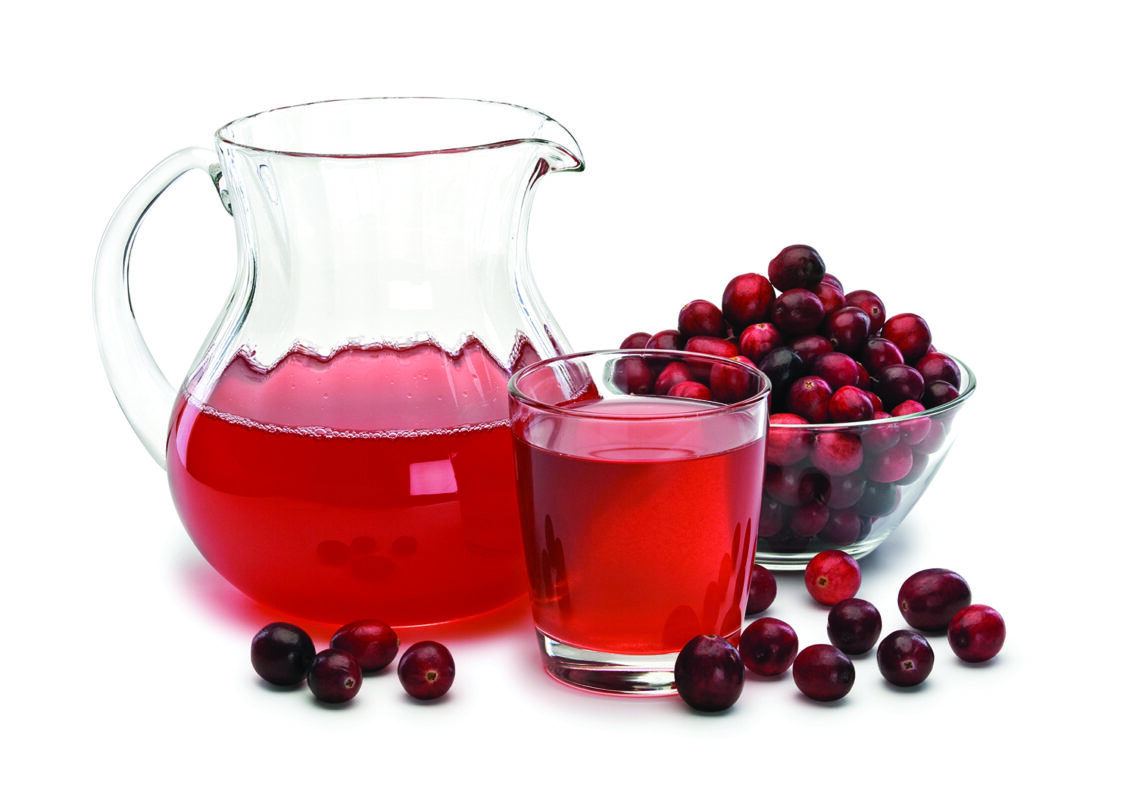
There’s a lot to love about cranberry juice. People enjoy its festive red color, especially during the holidays and in brightly colored cocktails and mocktails. They also crave cranberry juice for its uniquely tart, tangy taste and its health benefits. Drinking cranberry juice not only delivers a hefty dose of nutrients (notably vitamin C) and supports heart health, but it also helps maintain a healthy urinary tract.
Still, you might ask yourself, “How much cranberry juice should I drink?” Indeed, there is some confusion about just how much cranberry juice is too much.
Just be aware of potential downsides. Added sugar, such as high-fructose corn syrup and other fruit juices, as well as some other unwanted artificial ingredients, are easy to miss on cranberry juice package labels.
Here’s what the research suggests about the safest amounts, as well as what you should know about cranberry juice benefits and risks.
How Much Cranberry Juice Should I Drink Daily?
Drinking 8 ounces of cranberry juice each day is the amount generally recommended for adults, though up to 16 ounces may benefit people who want to maintain urinary tract health or prevent urinary tract infections.
Why Drink Cranberry Juice? Key Benefits
A diet rich in fruits, such as cranberries, and vegetables is associated with a reduced risk of many diseases. “Cranberries are rich in polyphenols, including proanthocyanidins, or PACs, which have been studied for urinary tract health,” says registered dietitian nutritionist Patricia Bannan, MS, RDN.
Studies suggest these compounds may interfere with the ability of harmful bacteria, including E. coli, to cause urinary tract infections. “Research suggests cranberry products may help reduce the risk of recurrent urinary tract infections in some people, particularly women who are prone to them,” Bannan explains. It’s important to note that drinking cranberry juice does not treat or cure active urinary tract infections.
Though most of the studies on cranberries and cranberry juice focus on their role in urinary tract health, other research has examined their potential cardiovascular, type 2 diabetes, and anti-cancer properties, as well as their antimicrobial activities. “Cranberries also provide a variety of antioxidant plant compounds, so cranberry juice can be one way to incorporate these compounds into an overall nutrient-rich diet,” Bannan says. In fact, a single 8-ounce serving of unsweetened 100% cranberry juice provides 100% of the recommended daily allowance of the antioxidant vitamin C, which is important for a healthy immune system.
Recommended Daily Amounts: What Experts Say
A standard recommended serving of cranberry juice is 8 ounces, or 1 cup. Generally, adults and children ages 7 and older should consume no more than 8 ounces of cranberry or other fruit juice per day, and younger children no more than 4 to 6 ounces per day.
If you’re drinking cranberry juice for urinary tract health or to prevent urinary tract infections, the Cranberry Institute, a not-for-profit organization, recommends adults consume up to 16 ounces per day. For typical, everyday use, Bannan suggests “a modest serving rather than large glasses throughout the day. Current dietary guidelines emphasize getting at least half of your fruit intake from whole fruit rather than juice.”
Keep in mind there are many more ways to include cranberry juice in your diet than drinking it straight from a glass. Because cranberry juice is so bold in flavor, it can be just as tasty to use as a flavor enhancer in lesser amounts, Bannan says: “I like mixing a splash of unsweetened cranberry juice with sparkling water and a squeeze of lime or orange for an easy mocktail. It can also be used in smoothies, salad dressings, marinades, and sauces.”
Potential Risks and Side Effects
The 8-ounce recommended serving of cranberry juice (unsweetened, 100% juice) contains 9 grams of naturally occurring sugar and about 60 calories. The same amount of cranberry juice cocktail, which contains 25 grams of total sugar (23 grams of added sugar), has about 110 calories. According to the Dietary Guidelines for Americans and the World Health Organization, the recommended daily maximum of added sugar is 50 grams. The American Heart Organization recommends half that amount, a maximum of 25 grams.
Naturally occurring sugars in fruit juices, including cranberry juice, are classified as free sugars, which means they don’t have the fiber of their whole fruit forms—fiber slows absorption and helps give you that satisfying feeling of fullness. For this reason, the body absorbs the free sugars in cranberry juice the same as it does added sugars. Drinking even two 8-ounce servings means you are getting about 20 to 50 grams of sugar from cranberry juice alone. Those two servings also deliver about 6% to 11% of the recommended dietary allowance of calories based on a 2,000-calorie diet. Without the fiber to create fullness, it’s much easier to consume more calories than your body needs without even realizing it.
In addition, some evidence suggests potential cranberry juice and medication interactions, including with blood thinners like warfarin, as well as cholesterol-lowering statins and blood pressure medications. People who are taking any of these medications should check with their healthcare provider before consuming large amounts of cranberry juice.
Choosing the Right Cranberry Juice
Several types of cranberry juice are available, so be sure to read the front of the package description and the ingredients list to be sure you know exactly what you’re getting.
Unsweetened 100% cranberry juice is made from only cranberries, which means it contains no added sugars, other fruit juices, or water. On its own, cranberry juice is quite tart and can be bitter as well, so it’s often sweetened to make it easier and more enjoyable for some people to drink. Cranberry juice cocktail blends cranberry juice with water and added sweeteners, such as sugar, high-fructose corn syrup, or sugar substitutes. Some brands sweeten cranberry juice with other fruit juices, like apple or grape, which may be labeled as “cran-apple” or “cran-grape,” for example.
“If you enjoy 100% unsweetened cranberry juice, it can be a good choice because it has no added sugar,” Bannan says. If the natural tartness is not enjoyable, she suggests a 100% juice blend that includes cranberry as a reasonable option. When you read the front of the package label, look for one that says 100% juice; then, look at the ingredients list to see which juices are included. Lastly, Bannan recommends looking at the added sugars line on the Nutrition Facts panel. “Even 100% fruit juice contains naturally occurring sugars and calories, so portion still matters,” she says.
Who Should Be Cautious? Special Considerations
Consumed in very large amounts, cranberry juice can cause upset stomach and diarrhea in some people, particularly young children. There is conflicting evidence about whether cranberry juice adversely interacts with the anticoagulant drug warfarin (Coumadin). Cranberry juice may raise the risk of bleeding in people taking this drug, so individuals taking warfarin, other blood thinners, or any other medication should consult with their healthcare provider before including cranberry juice or any cranberry products in their diet.
Cranberry juice contains oxalates, which increase oxalate and calcium levels in your urine. This higher concentration of calcium oxalate may increase the risk of developing calcium oxalate kidney stones, the most common type of kidney stones. If you’re at risk for or prone to kidney stones, consult with your healthcare provider before increasing cranberry juice consumption.
Similarly, pregnant or breastfeeding women may want to talk with their healthcare providers before consuming cranberry juice in large amounts, though some studies suggest it’s safe in typical portion sizes.
Moreover, people with type 2 diabetes and anyone concerned about consuming too much sugar should be sure they’re choosing unsweetened 100% cranberry juice. Varieties with added sugars are more common on grocery store shelves, so it’s important to read labels thoroughly.