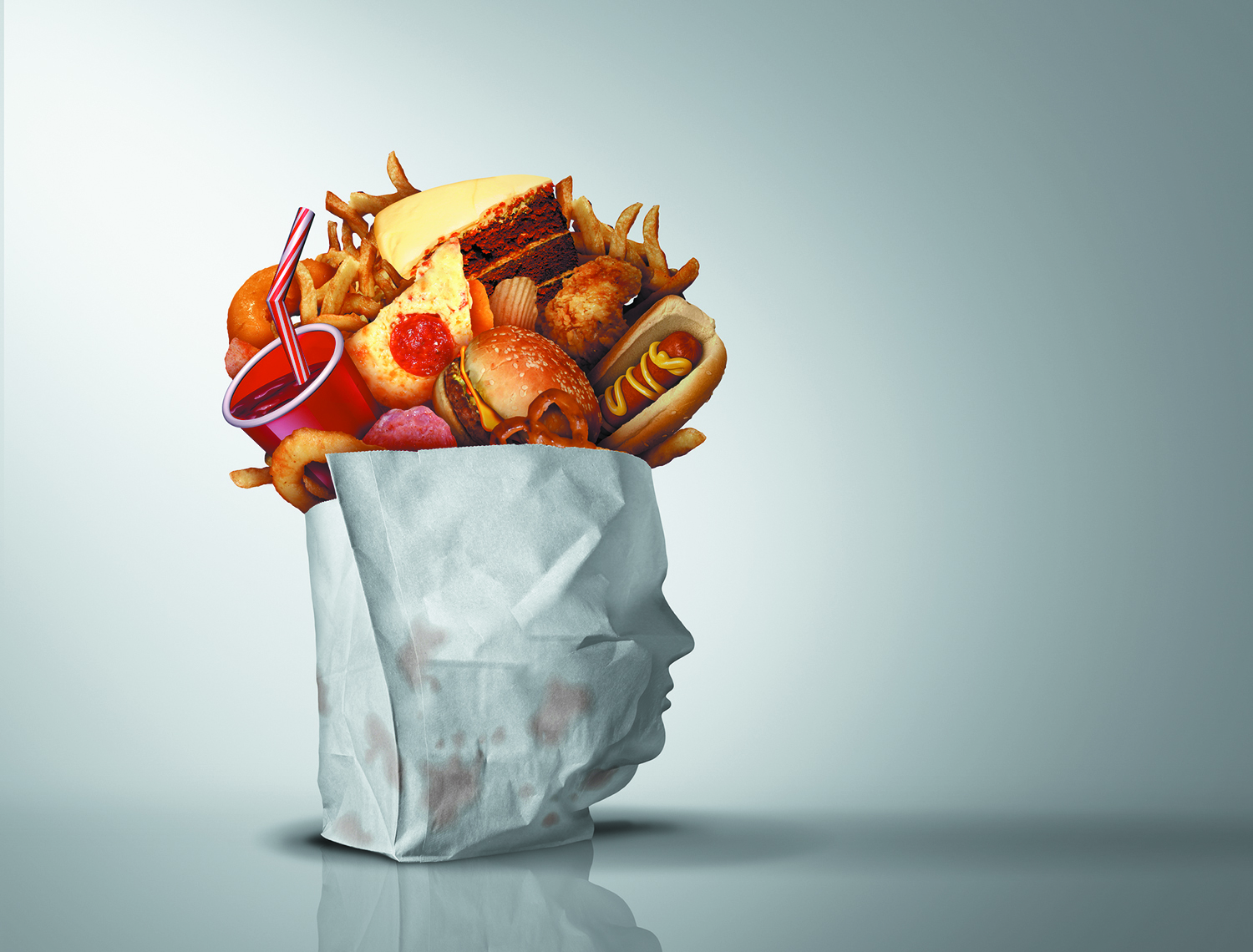
By now, you’re probably aware of the advice to limit consumption of processed foods, particularly ultraprocessed foods.
An estimated 70% of supermarket foods in the U.S. are ultraprocessed, and a recent report from the National Center for Health Statistics (August 2025) shows that 53% of Americans ages 19 and older get over half their calories from ultraprocessed foods.
Trouble is, while some are problematic, not all processed foods are bad for you, and recent data (JAMA Network Open, July 8, 2025) suggest that many adults have difficulty telling the difference.
“In some ways, we have to give ourselves a break in the thinking that we have to have a completely unprocessed diet. It’s not realistic,” explains Cleveland Clinic dietitian Kristin Kirkpatrick, MS, RD, LD. “But we do have to become more savvy as to what are considered unhealthy ultraprocessed foods.”
What Are Ultraprocessed Foods?
The widely used NOVA classification system categorizes foods based on their degree of processing (see “Using NOVA”). According to this system, ultraprocessed foods are created mostly or entirely from substances extracted from foods and contain little, if any, whole food or nutritional value. Examples of ultraprocessed foods include ready-made or easy-to-prepare products like potato chips, soft drinks, snack crackers, chicken nuggets, processed meats (e.g., deli meats, sausage) frozen pizzas, instant rice/pasta dishes, and many prepackaged microwave entrees, among others.
In addition to being high in sodium, saturated fat, and added sugars, these products contain industrial ingredients like emulsifiers and stabilizers to extend the shelf life, improve the texture and, oftentimes, make them easier to crave and harder to resist, Kirkpatrick says.
“If you take something and add other products to it to extend shelf life or enhance the taste, you’re changing the entire structure,” she says. “It usually doesn’t end up as ‘food’ at the end of the process.”
By opting for ultraprocessed foods, you’re taking in calories that would be better provided by nutrient-rich foods your body needs, Kirkpatrick says. Greater consumption of ultraprocessed foods is pro-inflammatory and has been linked to certain cancers, cognitive dysfunction, and reduced longevity. And, in a recent scientific statement, the American Heart Association emphasizes the association between ultraprocessed foods and cardiometabolic problems, including heart disease, type 2 diabetes, obesity, and hypertension (Circulation, Sept. 23, 2025).
Using NOVA
The NOVA food classification system categorizes foods based on their level of processing. Consider these healthier options in each category, and prioritize foods in category 1:
| CATEGORY | GOOD OPTIONS |
| 1. Unprocessed/minimally processed foods
Naturally occurring foods without added salt, sugar, oils or fats |
Low-fat/fat-free milk; eggs; fresh, frozen or dried whole fruits and vegetables; whole oats; brown rice; poultry and fish (baked or grilled, not breaded or fried); dried beans/peas/lentils |
| 2. Processed culinary ingredients
Products from group 1 processed by pressing, grinding, milling or refining; used to prepare, season or cook foods from group 1 |
Olive, canola, avocado or walnut oils; vinegar; honey (instead of sugar or artificial sweeteners), spices (turmeric, ginger, garlic powder, cinnamon) |
| 3. Processed foods
Products from group 1 with added sugar, oil and/or salt to increase shelf life or flavor |
Fruits canned in juice (not syrup), low-sodium canned vegetables and beans (rinsed and drained), low-sodium canned/foil-packed seafood or chicken, block cheese (not shredded, with stabilizers), lightly salted nuts/seeds |
| 4. Ultraprocessed foods
Industrially created products with additives such as protein isolates, maltodextrin, high-fructose corn syrup, emulsifiers, stabilizers, flavor enhancers, artificial sweeteners, bulking/anti-bulking agents |
100% whole-grain bread, breakfast cereals without added sugars (≥3 grams of fiber per serving), Greek yogurt (plain or with fruit and no added sugars), plant-based milks (little or no added sugars) |
Identifying Ultraprocessed Foods
A limitation of the NOVA system is it doesn’t fully spell out the nutritional value of foods. Not all “processed” foods are detrimental. For instance, olive oil, canned beans, fruits and vegetables and foil-packed seafood or chicken are processed in some way, but they can be healthy options. And a ready-made cereal may be ultraprocessed by NOVA standards, but it can be a nutritious breakfast choice if it’s low in added sugars.
Be aware, too, that certain products fortified with nutrients like added protein or otherwise marketed as healthy may undergo more processing to provide those benefits. For example, a low-carb tortilla might have added emulsifiers to emulate the taste and texture of a regular tortilla. “There’s maybe a lack of knowledge that this low-carb version is going to be better, but the ingredients in the low-carb version can’t match the ones that have a normal amount of carbohydrate,” Kirkpatrick advises.
The best strategy is to ignore the marketing language on the front of a product’s packaging and instead focus on what’s on the back—namely, the ingredients list. Limit or avoid products with long lists of ingredients with hard-to-pronounce names that you’d never find in your kitchen. Also, check the nutrition facts label, focusing on products low in added sugars and sodium (5% or less of the daily value) and high in dietary fiber (20% or more of the daily value).
“What’s most important is turning that can or packaging around and seeing what’s on the back of the package,” Kirkpatrick says. “Generally, fewer ingredients equals less processing, while more ingredients equals more processing. The ingredients tell more of the story than anything else.”