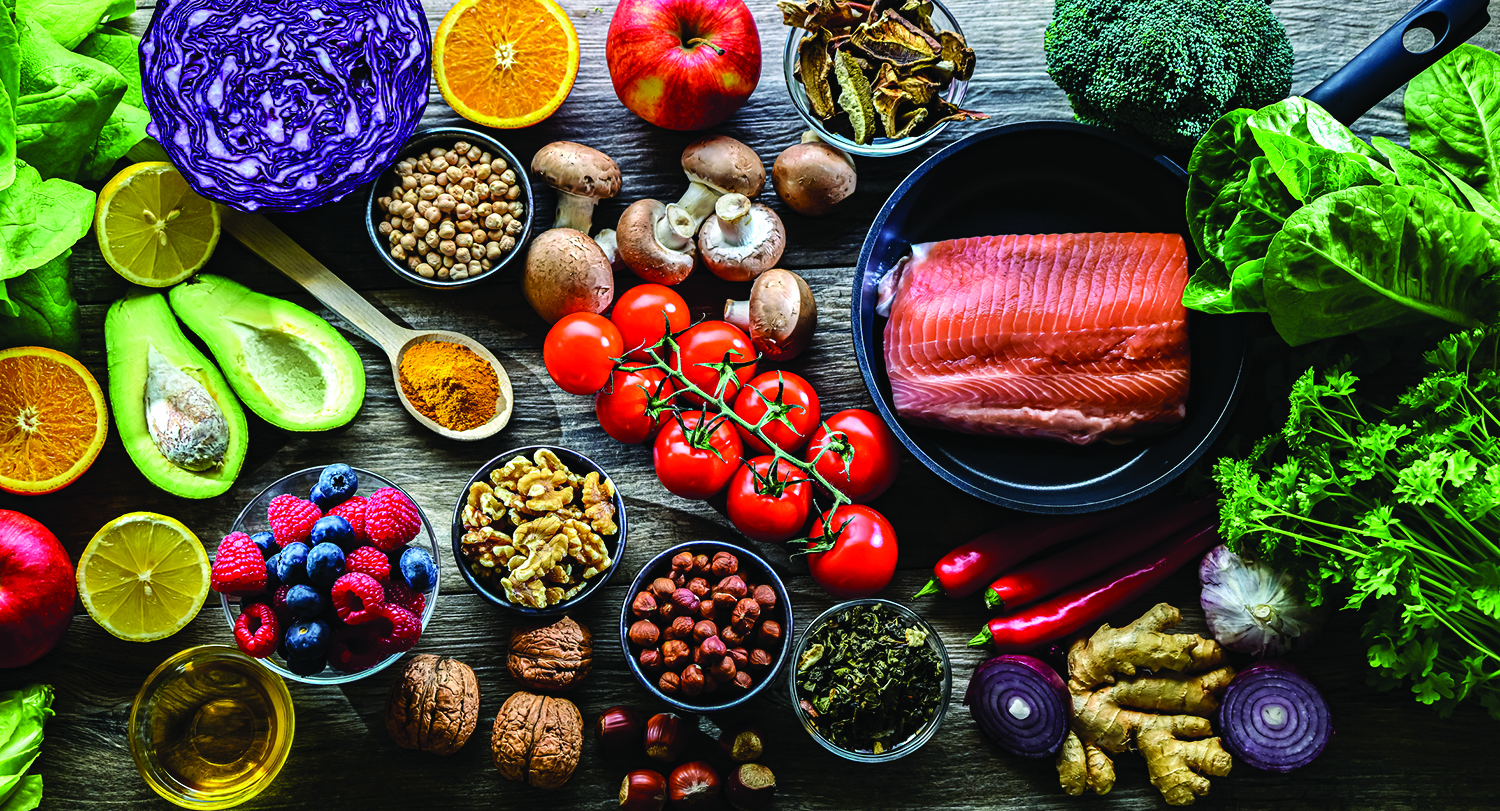
Inflammation serves multiple important functions in your body, including helping you to fight off infections and also recover and heal from injuries.
But inflammation is also a double-edged sword of sorts because too much of it—in the form of chronic inflammation—can harm your heart, blood vessels, joints, and other areas of your body. An array of factors, including what you eat, can increase or reduce your inflammatory burden. That’s why consuming more anti-inflammatory foods is vital for your overall health.
But getting more anti-inflammatory foods into your diet can be a big change for many people.
“If you are overwhelmed with this way of eating, that’s when baby steps are really key,” says Cleveland Clinic dietitian Julia Zumpano, RD, LD.
Zumpano suggests starting with small changes and gradually adding more whole and minimally processed foods.
What Is Inflammation?
Inflammation is the body’s response to viruses, bacteria, and other infectious invaders. When they enter the body, the immune system releases inflammatory substances to neutralize them. If you suffer a cut or injury, the body’s inflammatory response helps to heal damaged tissues. You notice these acute inflammatory responses—such as pain, swelling, warmth, and redness—whenever you cut your finger or develop a fever in response to the flu or other infection.
With chronic inflammation, the immune system continues to produce inflammatory cells even when there is no internal danger. In the process, the immune defense system engages in a form of “friendly fire” that damages cells and tissues throughout the body. Chronic inflammation underlies an array of autoimmune diseases, like rheumatoid arthritis, inflammatory bowel disease, and many others.
Another type of inflammation, chronic low-grade inflammation, is less obvious but also contributes to a variety of chronic medical problems, including cardiovascular disease, cancer, type 2 diabetes, and Alzheimer’s disease, among others.
How Diet and Other Factors Influence Inflammation
Everyone differs in terms of their immune response and what triggers inflammation in them, but a number of factors are known to influence your level of inflammation. There’s nothing you can do about two of those factors—your genetic makeup and age—and there may be little you can do to prevent exposure to pollution and other toxins known to drive up inflammation.
However, other pro-inflammatory risk factors, such as tobacco smoking, chronic stress, and poor/insufficient sleep, are within your ability to control. Another major risk factor is obesity, and a leading cause of obesity and an underlying contributor to chronic inflammation is a diet high in foods that cause inflammation. These foods tend to be more highly processed and contain larger amounts of added sugars, sodium, refined carbohydrates, and saturated fat.
Conversely, some of the best anti-inflammatory foods are whole foods found in nature, such as plant foods rich in antioxidants and anti-inflammatory compounds like polyphenols and an array of beneficial phytochemicals.
What to Eat for Inflammation
Your anti-inflammatory meal plan can include a variety of foods and ingredients that can help lower your inflammatory burden. Here are several that Zumpano recommends:
- Fatty Fish–Wild-Caught Salmon: Cold-water fatty fish such as wild-caught salmon are rich in inflammation-fighting omega-3 fatty acids. Wild-caught salmon is low in mercury, high in omega-3s, and is a great source of protein. Choose fresh salmon, when possible, but frozen or low-sodium canned salmon are convenient ways to enjoy it more often. Smoked salmon can be very high in sodium and requires caution for those with high blood pressure.
- Colorful Fruits–Berries: Consider blueberries, raspberries and blackberries. They are lower in sugar than many fruits and are packed with antioxidants. Fresh berries are great, but frozen berries are just as good, especially since they last longer and tend to be less expensive. Berries can easily be added to a smoothie, oatmeal, or salad.
- Leafy Greens–Spinach: Dark leafy greens are packed with nutrition, providing anti-inflammatory properties, vitamins, minerals, fiber, and phytonutrients, and they are naturally low in calories, carbohydrates, sugar, and fat. Spinach is a versatile choice because it can be consumed raw or cooked. Zumpano suggests serving your protein choice over a bed of greens or adding a simple green salad with extra-virgin olive oil and lemon juice to increase leafy green consumption. Spinach is easy to add to eggs in a skillet or to a sauce, mix with pasta, or throw into soup or a smoothie. Zumpano warns that some people who take anticoagulant (blood thinner) medications or have kidney stones may need to limit leafy greens.
- Seeds–Quinoa: Quinoa is a complete protein. Its high fiber content helps it classify as a low-glycemic-index food, which means it has a lower impact on blood sugar when compared with other refined grains, such as white rice, says Zumpano. Quinoa is delicious in salads and can also be served as a side dish instead of rice or pasta. Be sure to rinse quinoa before you cook it to avoid a bitter taste.
- Spices–Turmeric: Turmeric is a great herb for reducing inflammation. Add it freely and regularly to your meals and beverages but be cautious with supplements, which can interact with common medications. “It’s worth talking to your health-care provider before starting a turmeric supplement. I usually recommend adding turmeric to foods,” says Zumpano. Turmeric can go in just about any savory dish, including soups, meats, salad dressing, or even in a smoothie. Try an ancient Indian beverage called golden milk, which is turmeric mixed with other anti-inflammatory spices (black pepper, ginger, and cinnamon), milk, and a bit of honey. Golden milk was used as a staple in Ayurvedic medicine, and is believed to promote well-being and combat ailments, including colds, inflammation, and general aches and pains.
Avoid Foods That Cause Inflammation
Foods that commonly cause inflammation include packaged and processed foods, such as processed meats and cheeses, snack foods, sugary drinks, sweets, baked goods, fried foods, and many convenience foods. Zumpano finds the symptoms people experience from food-related inflammation vary and can include achy joints, headaches, fatigue, stomach upset, and more.
A smoothie or other anti-inflammatory foods won’t magically counteract a diet that is otherwise full of processed foods, but adding these foods is still a great step toward better eating.