Atherosclerotic cardiovascular disease (CVD) involves more than the deposition of cholesterol in the arteries. Inflammation, the body’s immune response to injury or illness, also plays as major role.
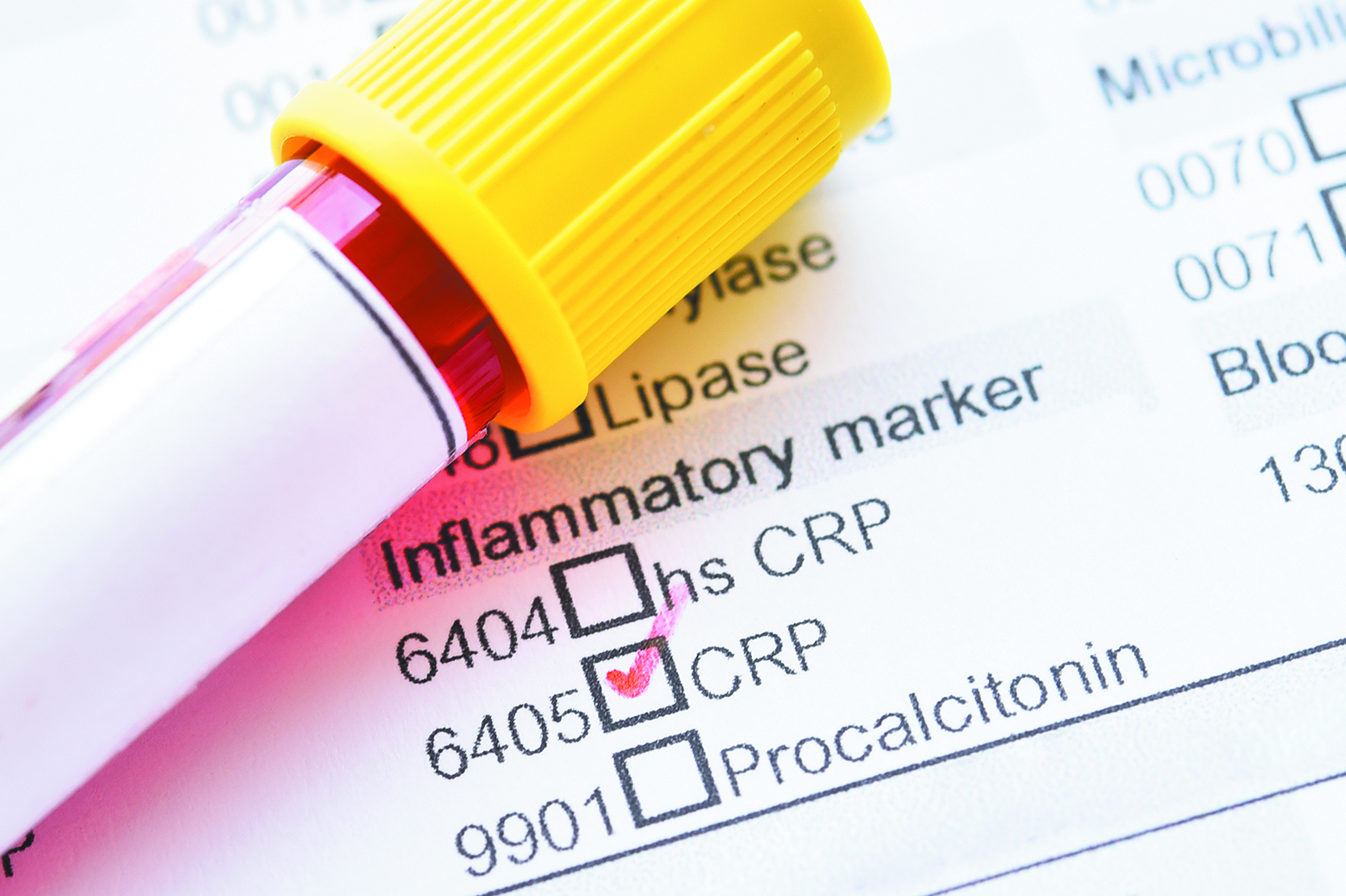
Medical experts can detect low-grade inflammation and assess CVD risk by testing for the inflammatory marker C-reactive protein (CRP), using the high-sensitivity CRP (hsCRP) test.
In a recent scientific statement, the American College of Cardiology (ACC) highlights the critical role of inflammation in CVD and recommends routine hsCRP testing for people without (primary prevention) and with established CVD (secondary prevention) to identify those at increased inflammatory risk.
“I agree with the recommendation to check it in primary and secondary prevention patients,” says Vikas Sunder, MD, with Cleveland Clinic’s Department of Preventive Cardiology & Rehabilitation. “I think it’s very reasonable to get a baseline hsCRP on all those patients.”
What Is Inflammation?
Inflammation is your body’s natural defense against bacteria, viruses and other infectious agents. You feel the effects of acute inflammation whenever you experience swelling or warmth from a cut or develop a fever during an infection.
A more insidious form—chronic, low-grade inflammation—underlies an array of chronic medical conditions, including type 2 diabetes, cancer and, in particular, atherosclerotic CVD. The atherosclerotic plaques in your coronary arteries and other vessels form in response to damaged tissue in the inner lining of the artery, the endothelium. This damage allows cholesterol to infiltrate and accumulate in the arterial wall. Your body responds by sending immune (inflammatory) cells known as macrophages to engulf the LDL. The macrophages transform into foam cells, which die and spill out their inflammatory contents, further contributing to the plaque’s growth. Then, smooth muscle cells form a fibrous cap over the plaque to help stabilize it. Inflammation not only contributes to the growth of fatty atherosclerotic plaques, but it also makes them more susceptible to rupture and form blood clots that block arteries and cause most heart attacks and ischemic strokes.
Inflammation also underlies the increased CVD risk associated with inflammatory arthropathies (e.g., gout and rheumatoid arthritis), among other conditions.
In its recent scientific statement, the ACC notes that the evidence connecting inflammation with atherosclerotic CVD “is no longer exploratory but is compelling and clinically actionable. The time for taking action has now arrived.”
What Is C-Reactive Protein?
The liver releases C-reactive protein into the bloodstream in response to inflammation. A standard test can identify greater elevations in CRP—8 to 1,000 milligrams per liter (mg/L)—that can signal acute infections, autoimmune diseases and other problems.
The hsCRP test can detect these and more subtle CRP elevations (0.3 to 10 mg/L) associated with CVD. In general, hsCRP testing has been recommended for people at intermediate cardiovascular risk: those with 10% to 20% likelihood of suffering a heart attack or stroke over 10 years. Guidelines from the ACC and American Heart Association suggest an hsCRP level of 2 mg/L as one of several risk-enhancing factors that health-care providers should consider when weighing decisions about initiating statin therapy.
In the recent scientific statement, the ACC notes that for primary prevention, a single hsCRP measurement greater than 3 mg/L can be used to identify people at increased inflammatory risk who aren’t acutely ill. “I check it in primary prevention in patients with high cholesterol when I’m trying to get a better idea of what their risk is,” Dr. Sunder says. “I want to get a sense of whether they have some residual inflammatory burden that adds to the equation.”
Interpreting hsCRP
| CVD RISK LEVEL | hsCRP LEVEL |
| Normal | < 1.0 mg/L |
| Moderate | 1.0–3.0 mg/L |
| High | > 3.0 mg/L |
What to Do About High C-Reactive Protein
A key question about hsCRP testing is what to do with an elevated result.
Studies from 2019 and 2020 found that the anti-inflammatory drug colchicine (Colcrys®, Gloperba®, Mitigare®) was associated with a lower risk of major cardiovascular events among people with CVD. These findings prompted the U.S. Food and Drug Administration to approve a low-dose form of colchicine (Lodoco®) to reduce the risk of cardiovascular events in adults with established CVD or multiple risk factors for it. However, a more recent trial found that the drug did not reduce the incidence of these events among people treated for three years after a heart attack, although that trial had a number of limitations.
Statin drugs may be another option, as they have anti-inflammatory properties. In fact, in the JUPITER trial, rosuvastatin was shown to reduce cardiovascular events in people with elevated CRP but not high cholesterol.
In the ACC statement, experts recommend that in primary prevention, a persistently elevated hsCRP level should prompt physicians to consider starting or intensifying statin therapy, irrespective of a person’s LDL level. For secondary prevention, clinicians should consider intensifying statin therapy if hsCRP levels remain above 2 mg/L, regardless of LDL cholesterol. The ACC experts also point to low-dose colchicine as an option for individuals with chronic stable atherosclerosis (Journal of the American College of Cardiology, Sept. 29, 2025).
Importantly, the ACC and Dr. Sunder emphasize the importance of heart-healthy lifestyle behaviors that can help you rein in chronic inflammation.
“Patients should discuss hsCRP testing with their doctors. It’s a low-cost test,” Dr. Sunder says. “The marker only shows you something that’s there, so if it comes back high, do all the things you’re supposed to be doing anyway: Work on weight management, physical activity, eat a healthy diet with foods that are anti-inflammatory and avoid infections that cause acute inflammation. That’s important.”
To help reduce your inflammatory burden:
● Optimize your weight and fat mass. “We know that obesity increases pro-inflammatory cells, and I think it is driving this whole idea of subclinical inflammation,” Dr. Sunder says.
● If you smoke, discuss cessation strategies (e.g., counseling, medications, nicotine-replacement therapy) with your physician.
● Adhere to an anti-inflammatory eating pattern, such as the Mediterranean or Dietary Approaches to Stop Hypertension (DASH) diets, emphasizing consumption of fruits, vegetables, whole grains, legumes, nuts, and olive oil, while restricting red and processed meats, refined carbohydrates, and added sugars.
● Eat two to three fish meals per week, preferably fatty fish (e.g., salmon, mackerel, tuna) that are rich in anti-inflammatory omega-3 fatty acids.
● Include anti-inflammatory spices, such as turmeric, ginger, and garlic, in your cooking.
● Aim to get at least 150 minutes of moderate-intensity exercise or 75 minutes of vigorous physical activity per week.
● Guard against infectious causes of inflammation. Practice good hand hygiene, avoid contact with sick people, and get vaccinated against influenza, COVID-19, respiratory syncytial virus (RSV), and other respiratory infections.
Sources: American College of Cardiology; Vikas Sunder, MD, Cleveland Clinic