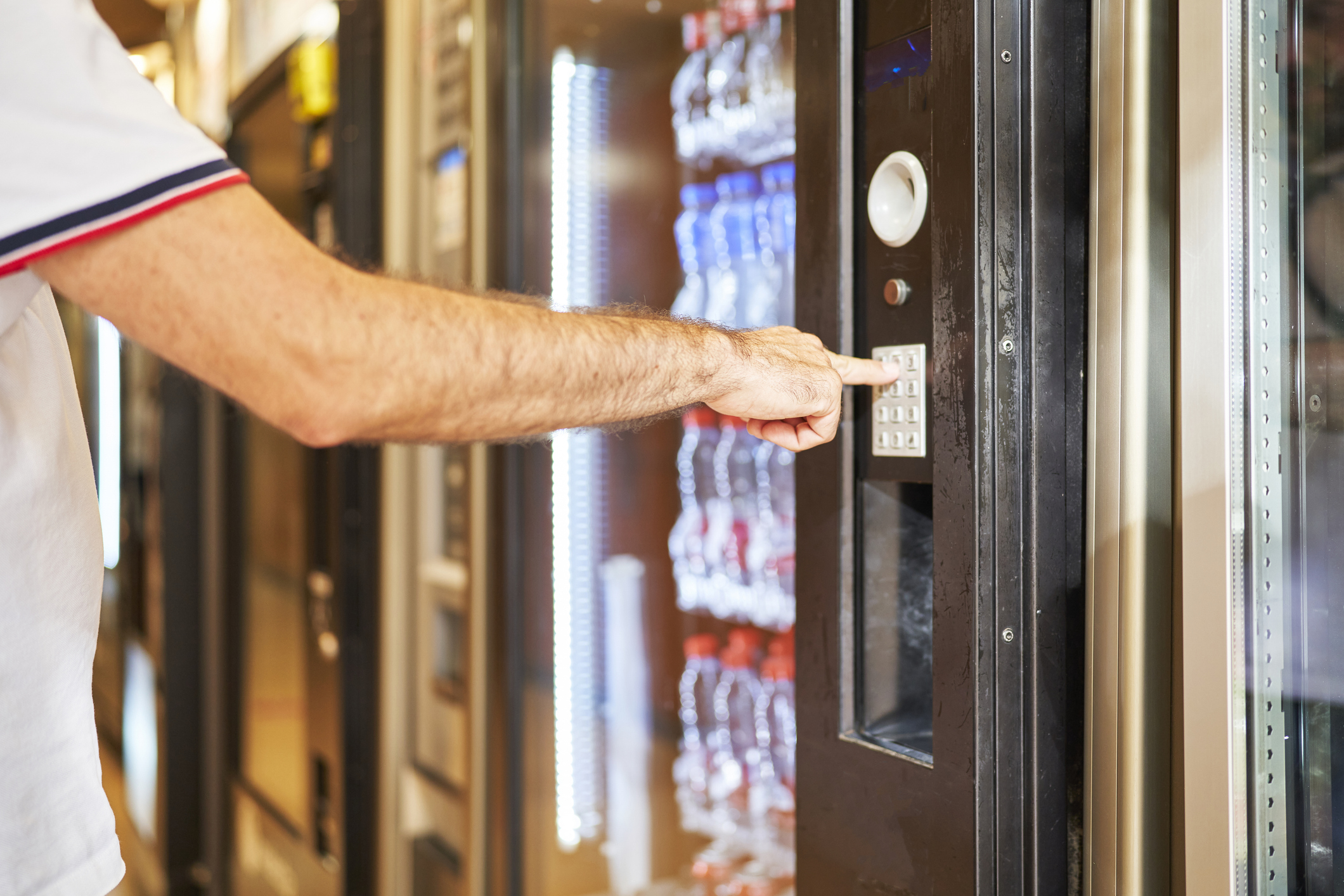
The US vending machine business is booming, with some three million machines generating sales of around $18 billion in 2023. It sounds tempting…buy a few vending machines, sit back, and wait for the money to pour in. But there’s more to it than that. Bottom Line Personal asked veteran entrepreneur Erich Overhardt, who has his own thriving vending machine business, to explain how to buy a vending machine and start a vending machine business.
How much is a vending machine?
That depends on where you get it and what comes with it. If you’re looking for only a modest side hustle, you can find rudimentary machines for under $1,000 on sites like Wayfair.com. Stores such as Walmart, BJ’s and Sam’s Club sell machines of varying sizes and quality for roughly $3,500 to $7,000 each. High-end machines with large capacities and the latest technology cost between $8,000 and $11,000 apiece—they are available from Naturals2Go.com.
Most vending machines are refrigerated, and an increasing number have “brains” that track inventory and interact with vendors’ smartphones. New models usually accommodate cashless payments. You’ll pay more for such tech, but it makes business operations far more efficient.
Note: You may need a license or permit to place a vending machine at a specific location. Every municipality and state is different—refer to your local and state websites to determine your specific needs for your area.
Are there franchises?
“To my knowledge there are no franchises,” Overhardt says. Many companies that sell vending machines are known as business opportunities or Biz Ops—turnkey or “structured” business opportunities in which the company sells you the machines…helps place them in locations…and provides branding and other support. Examples: HealthyYOU Vending (HealthyYouVending.com), SmartMarket Solutions (SmartMarts.ai), Healthier 4U Vending (Healthier4UVending.com) and Naturals2Go (Naturals2Go.com). Unlike most franchises, they don’t charge royalties, but they add significantly to your upfront costs. The tradeoff, of course, is that it smooths your entry into an unfamiliar business.
Does it pay?
According to the National Automatic Merchandising Association, the average vending machine yields $6,284 of revenue per year. “In my experience, that number is closer to $10,000. By the time you account for startup and operating costs, of course, profits diminish,” Overhardt notes. Some owners do fail, usually because they neglect their vending machines’ locations or place them in bad spots. But it’s not uncommon to net 30% of costs once you’re up and running.
What’s it like being a vendor?
The vending machine business is attractive for its financial and lifestyle aspects. When people are looking for serious income, I encourage them to invest in six or more machines. If you’re not using a turnkey solution like the ones mentioned above, you’ll spend a lot of time securing locations for your machines. Once they’re placed, it’s all about stocking and maintaining them.
Keep in mind: Vending machines don’t represent truly passive income. Figure on at least one hour of work per machine per week. Busy machines should be resupplied at least weekly. A typical workday consists of purchasing supplies at a membership wholesale club such as Sam’s Club or Costco, then driving around and restocking your machines. The physical aspects of it are great for retirees looking to stay active while generating income.