
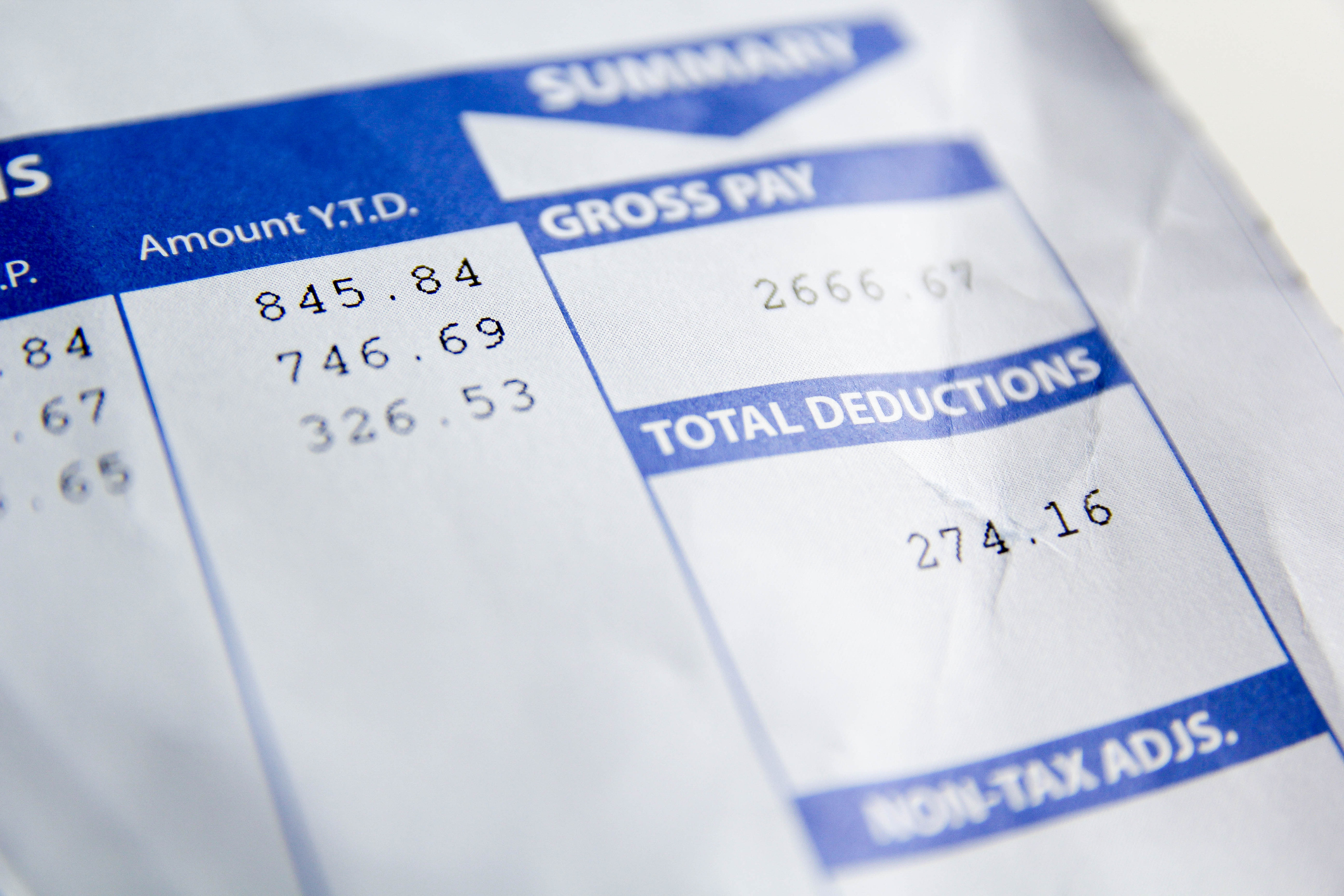
You may have noticed the acronym OASDI on your paycheck—especially when you realize that it is taking a big chunk out of your earnings. But the OASDI tax isn’t new—it’s the official name of what’s more commonly called the “Social Security tax.” OASDI stands for Old-Age, Survivors, and Disability Insurance. Some employers list this tax as “Social Security tax” on pay stubs…others call it “OASDI tax.” Either way, it’s the same tax with the same tax rate. Bottom Line Personal asked tax preparer Abby Eisenkraft, EA, what people need to know about OASDI taxes.
The OASDI tax rate is 6.2% of earned income
This tax makes up the lion’s share of the 7.65% in FICA taxes typically withheld from paychecks…the remaining 1.45% is the Medicare tax. These tax rates are actually only half of the FICA tab—employers must match most FICA tax payments, contributing an amount equal to 6.2% of the employee’s earned income to the Social Security system and 1.45% to the Medicare system on top of that employee’s contribution.
The OASDI tax rate is 12.4% for self-employment income
People who are self-employed don’t have an employer to pay that matching 6.2% contribution, so they’re required to pay it themselves in addition to their employee contribution. They also have to pay both halves of Medicare taxes, too. That brings their FICA tax tab—also known as the “self-employment tax rate”—to a hefty 15.3%, although one half is deductible. It’s a big bill that takes some people new to self-employment by surprise.
OASDI taxes don’t apply to earned income above a cap—but that cap is fairly high
You don’t have to pay OASDI taxes on earned income above the annual “wage base limit,” which was $176,100 in 2025, rising to about $183,600 for 2026 (the official limit hasn’t been announced). Related: OASDI taxes don’t apply to earnings above the wage base limit, but that doesn’t mean these earnings escape FICA taxes entirely. Not only do Medicare taxes still apply, but there’s also an additional Medicare tax of 0.9% on earnings in excess of $200,000 ($250,000 for married couples filing jointly).
A very small percentage of workers are exempt from paying OASDI taxes
Potentially exempt groups include…
Certain non-resident aliens, such as students in the US on F-1 visas. These non-immigrant foreigners are not required to pay into the Social Security system because they’re not expected to remain in the US long enough to receive benefits from it.
Members of certain religious groups, such as the Amish and Mennonites, are allowed to opt out of the Social Security system. Members of these groups who wish to not participate should file Form 4029, Application for Exemption From Social Security and Medicare Taxes and Waiver of Benefits.
People who have extremely low self-employment income. If your total self-employment earnings for a year are below $400, you’re not required to pay OASDI or Medicare taxes on that income. But, to earn credits for future Social Security benefits, low earners can opt to pay some self-employment tax.
Certain government employees don’t pay into Social Security because they have pension plans that in essence replace this retirement program.
