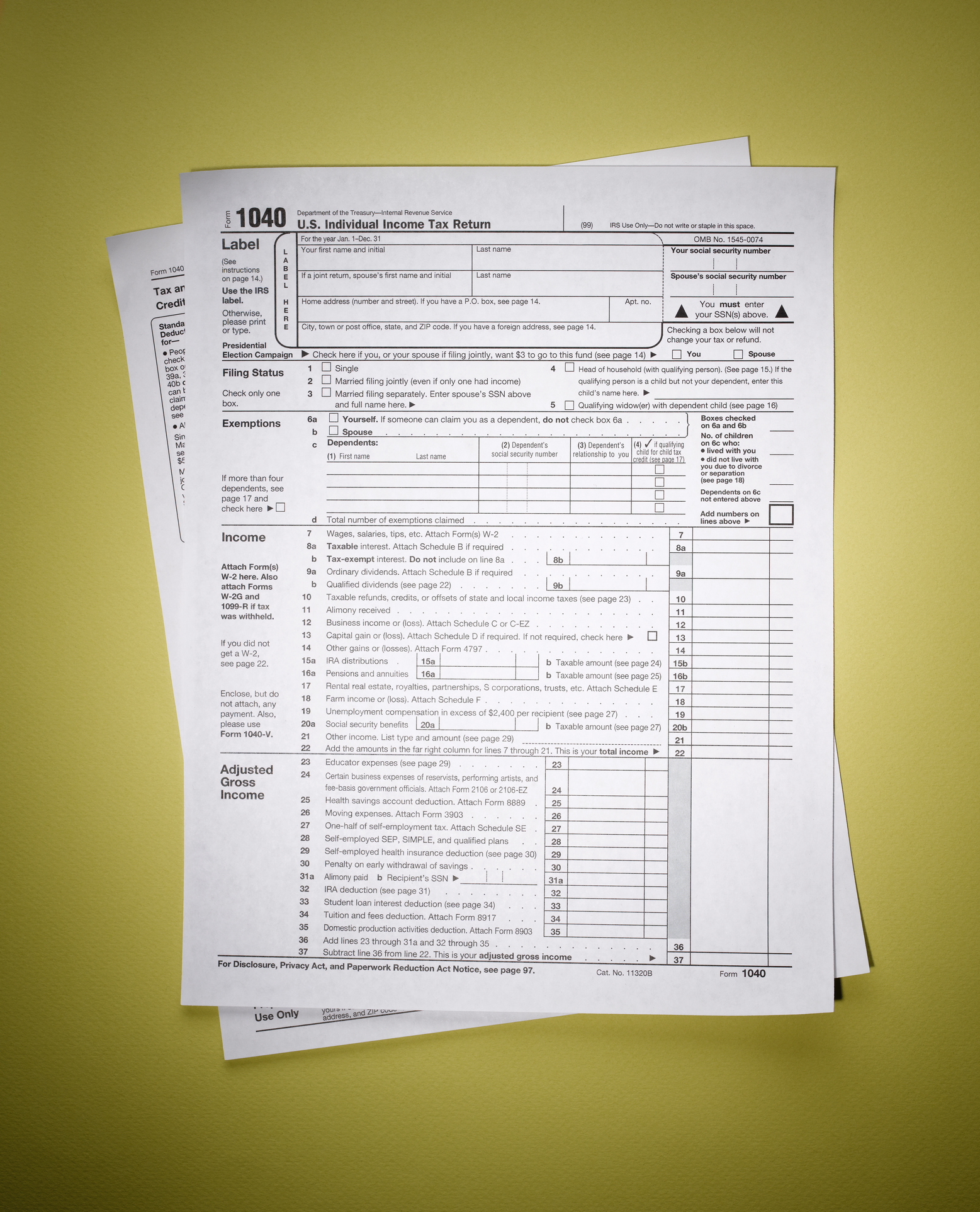
“Head of household” is a tax filing status for single taxpayers who have dependents. But as so often is the case with tax matters, it’s not quite as simple as that, says Bottom Line Personal tax expert Abby Eisenkraft.
Some taxpayers meet head-of-household requirements even though they’re legally married…while others don’t even though they’re single parents. For those who do qualify, there are significant tax advantages to filing as head of household, including a substantially higher standard deduction, higher income limits for certain tax credits and more favorable tax brackets.
Here’s what taxpayers need to know about head-of -household filing status…
The taxpayer must be single or “considered unmarried”
Even though head-of-household filing status is for unmarried taxpayers, there are instances in which legally married taxpayers can qualify if they’re “considered unmarried” in the eyes of the IRS. For a married taxpayer to be “considered unmarried”: His/her spouse must not have lived in the taxpayer’s home at any point during the final six months of the year. The taxpayer also must have paid more than half of the cost of maintaining that home—this cost includes the mortgage or rent, utilities, property taxes, insurance, repairs, grocery bills and more. For more details about this and other head-of-household–related issues, see IRS Publication 501, Dependents, Standard Deduction, and Filing Information.
Warning: Some couples try to be sneaky about the six-plus-months of separation rule, either by claiming a spouse moved out sooner than he/she really did…or by listing different addresses for the spouses even though they lived together. The IRS is aware of these tricks and might ask taxpayers to provide proof that everyone lived where they claimed.
A “qualifying dependent” is needed
To be a head of household, a taxpayer must have a “qualifying dependent.” This dependent usually is the taxpayer’s child—a biological child, adopted child, stepchild or foster child. The taxpayer’s younger sibling, grandchild or certain other young relations also could qualify as a dependent. Regardless of how the dependent is related to the taxpayer, he/she must have lived in the taxpayer’s home for more than half the year (newborns are exempt from this requirement)…receive more than half of his financial support from the taxpayer…and be younger than 19 at year-end or 24 if a full-time student (disabled children are exempt from these age limits). Example: If your former spouse had primary custody of your child all year, that child does not count as your “qualifying dependent” regardless of how much child support you paid.
A taxpayer’s parent, grandparent, sibling or certain other grown relation can count as a “qualifying dependent,” too. But for a non-child relative to qualify, he/she must have extremely limited gross income (less than $5,200 in 2025)…receive more than half of his financial support from the taxpayer…and, in most cases, must have lived with the taxpayer for more than half the year. Exception: If the dependent is the taxpayer’s parent, that parent is not required to live with the taxpayer—but if he/she doesn’t, the taxpayer must have paid more than half the cost of maintaining the parent’s home. Paying more than half of the parent’s nursing home or assisted-living facility bills can fulfill this requirement.