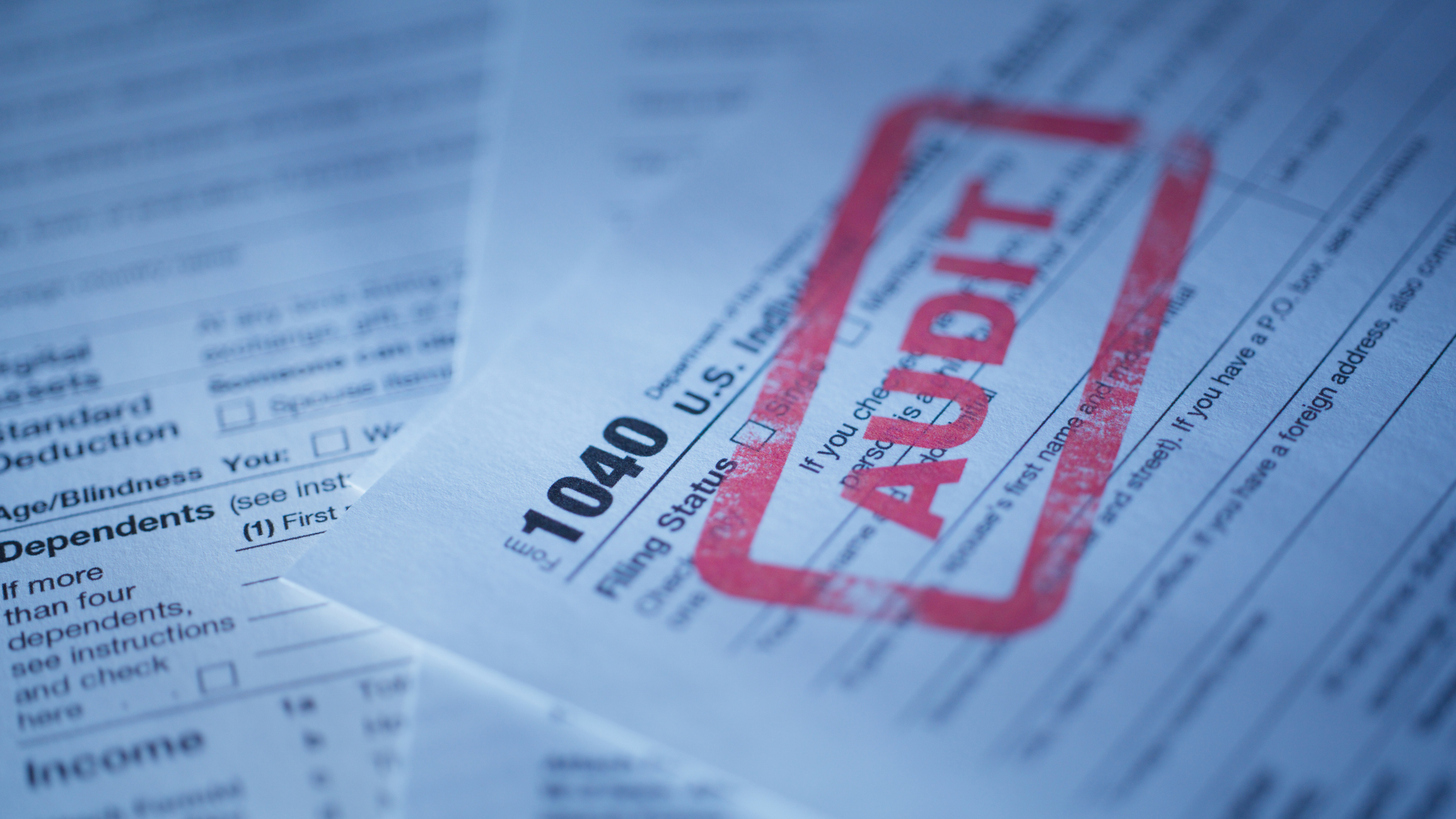
Not long ago there were widespread warnings that the IRS would be adding thousands of agents and increasing audits. But the new year brought a new administration, and the IRS now has shed a significant percentage of its workforce. Does that mean IRS audit risk is exceptionally low? Who gets audited by the IRS the most? And what does it mean to be audited, anyway? Bottom Line Personal asked tax expert Abby Eisenkraft.
Is Today’s IRS Audit Risk Low?
The overall IRS audit rate has been low for years—less than 0.5% of all taxpayers have been getting audited. But it would be a mistake to conclude that reduced IRS staffing levels mean that audit rates will fall further still and cheating on taxes will go unnoticed. It’s more likely to mean that the IRS will lean increasingly on artificial intelligence (AI) to flag potentially problematic tax returns and opt for correspondence audits (see below), which are handled through the mail, rather than in-person audits that take up more of agents’ time.
Beware: The IRS doesn’t have to audit returns right away. It typically has up to three years to audit a return…and under certain circumstances, that deadline could be extended to six years or beyond. A taxpayer who cheats on his/her taxes in the current tax year could face an audit of this year’s return several years down the road, perhaps after IRS staffing rebounds and/or the IRS’s AI systems improve.
What Does it Mean to be Audited?
The phrase “IRS audit” may evoke images of interrogations in dour government buildings. The IRS does still conduct office audits and field audits, but the vast majority of its audits are correspondence audits, which typically take place entirely through the mail. As IRS staffing falls, the share of audits handled by correspondence is likely to increase. These audits tend to be very focused—the IRS requests additional details about a specific part of a taxpayer’s return…if the taxpayer submits these details, it might be the end of the matter. No one wants to face any sort of IRS audit, but correspondence audits tend to be far less painful than other types of audits.
Similar: Taxpayers also might receive a Notice CP2000 from the IRS. These are not technically audits. Instead, these notes explain that the IRS found a discrepancy between information the taxpayer provided in his return and other information the IRS has received. The notice will propose an amendment to the return, which the taxpayer can accept, potentially resulting in a change to the tax refund or payment due…or reject and then provide supporting information that confirms the accuracy of the information on the return.
Who Gets Audited by the IRS the Most?
Seven types of taxpayers face significantly higher risk for audit…
People who claim charitable donations of uncommon size
Most donations don’t raise IRS red flags—unless the amount donated is unusually large compared to the taxpayer’s reported income and/or includes substantial noncash gifts. This shouldn’t deter you from being charitable—but it is important to carefully document charitable gifts so you can quickly reply to the IRS if necessary. When you make a donation: Obtain written acknowledgement of your gift from the charity. If you make noncash donations, create a detailed list of each item donated and use a respected resource to assign valuations to these items, such as Goodwill’s “Valuation Guide for Goodwill Donors” (On Goodwill.org, select “Donate Stuff” from the “Donors” pulldown menu)…or the Salvation Army’s “Donation Value Guide” (SATruck.org/Home/DonationValueGuide).
Self-employed people and business owners who claim excessive or unusual expense deductions
The IRS knows the size and type of expenses that are normal for a small business of a given size and type. If the business expenses you claim exceed its expectations, your return could be flagged for closer attention. Related: Claiming a very large portion of a small home as a home office can lead to IRS attention, too…as can claiming business use of a vehicle for more miles than is common for your profession. If you use a vehicle for both business and personal travel, keep a log detailing each business-related trip, including mileage start and stop, date and business purpose.
Small business owners who report consistent business losses
If a small business reports loss after loss for more than a handful of years, the IRS might wonder whether it’s truly a business at all or simply an attempt to characterize nondeductible personal expenses as deductible business expenses or otherwise artificially lower tax bills.
Taxpayers who select “head of household” filing status
Filing as “head of household” can result in lower taxes than filing as a single or married taxpayer, so the IRS keeps an eye out for filers who select this status even though they’re not eligible to do so. “Head of household” status is for unmarried filers who have dependents. It is possible for married people who are separated from their spouses to qualify, but only if the spouse did not live with the taxpayer for the final six months of the year, among other rules—the IRS sometimes investigates this.
Cryptocurrency owners who fail to report transactions
Fans of cryptocurrency tend to value the privacy that it provides, but that privacy isn’t ironclad. The IRS has successfully demanded crypto account and transaction details from brokerages and crypto exchanges, so taxpayers who don’t report their transactions are at risk for audit.
People who fail to report their foreign accounts
The IRS is aware that taxpayers often neglect to report their overseas financial accounts. Some taxpayers fail to report these innocently—foreign financial account reporting requirements are easy to misunderstand…while others know they’re supposed to report their foreign accounts but don’t do so because they think the IRS won’t find out these accounts exist. It’s true that the IRS can’t always sniff out unreported foreign accounts—but when it does, audits are likely and penalties can be extremely steep.
People who claim the Earned Income Tax Credit (EITC)
Refundable tax credits such as the EITC can reduce a tax bill by more than the total amount of taxes owed, leaving the “taxpayer” with a net tax profit. Such credits are, of course, popular with taxpayers—too popular. The IRS estimates that fully one-third of EITC claims are erroneous or outright fraudulent, resulting in high audit rates for these returns.