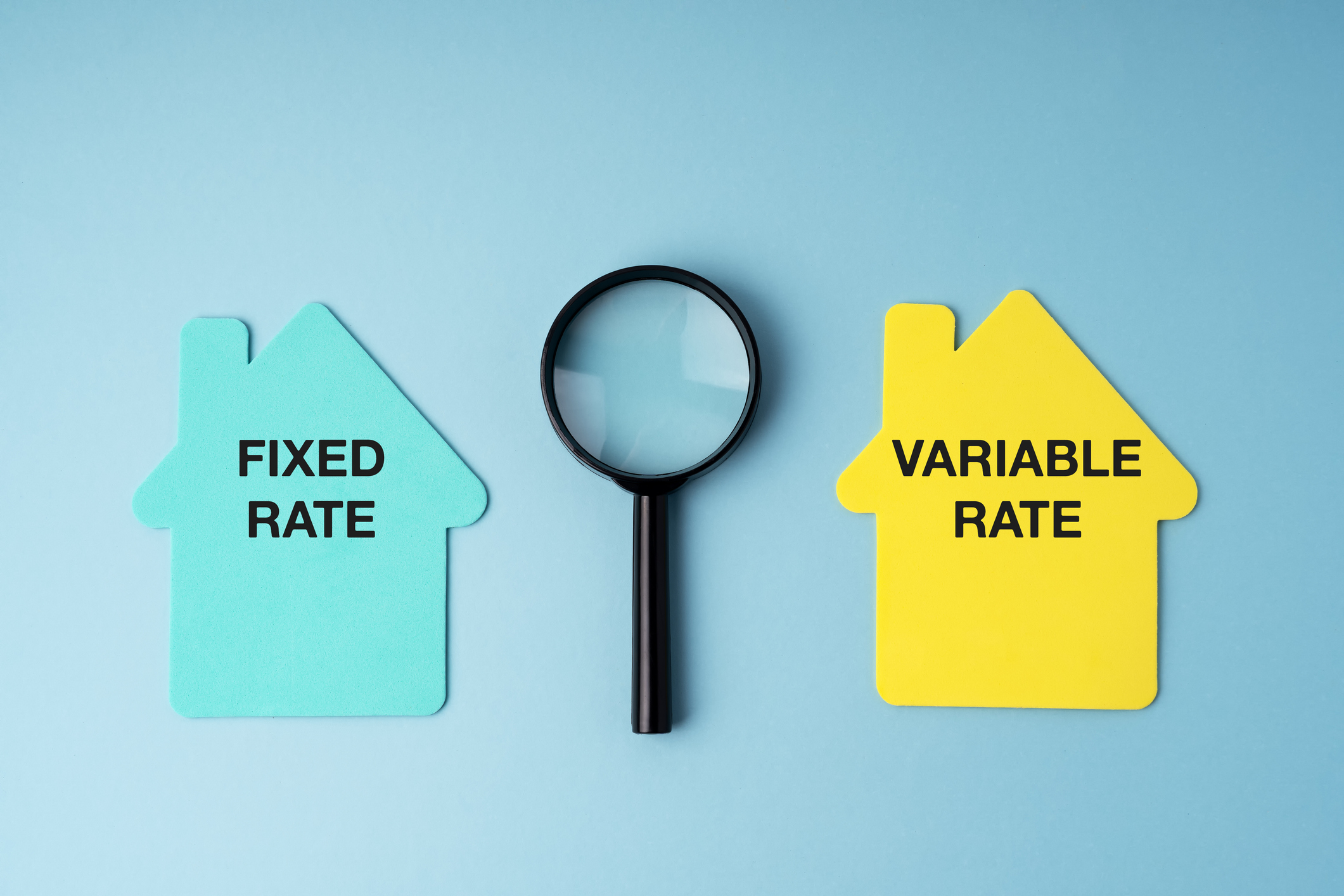
Most mortgages in the US have fixed interest rates—the rate written into the contract remains in effect for the entire length of the loan, potentially 30 years. But lenders also offer variable-rate mortgages, commonly known as adjustable-rate mortgages (ARMs), that have interest rates that fluctuate following an introductory fixed-rate period.
What is the benefit of having a fixed-rate mortgage? And when is it worth considering an ARM instead? Bottom Line Personal asked mortgage expert Keith Gumbinger for details…
Upside of Fixed-Rate Mortgages
Fixed-rate mortgages offer financial predictability. The monthly payment required to cover the principal and interest portion of a fixed-rate mortgage will not increase even if inflation skyrockets. Note: It isn’t entirely accurate to say that a homeowner’s monthly mortgage bills won’t increase if he/she has a fixed-rate mortgage. The portion of the monthly bill that pays the loan’s principal and interest won’t increase, but if a homeowner’s property taxes or insurance premiums rise, the total payment will increase. This isn’t an increase in the cost of the underlying loan—lenders typically hold several months’ worth of these payments in escrow accounts, paying tax and insurance bills as they come due.
Upside of Adjustable-Rate Mortgages
Why would anyone opt for the uncertainty of an ARM over the security of a fixed-rate mortgage?
The main reason is a lower interest rate…at least at first. ARMs aren’t adjustable from day one—interest rates on ARMs are fixed during an initial period that typically lasts three, five, seven or 10 years, depending on the specific loan selected. The interest rate the borrower pays during this initial fixed-rate period almost always will be lower than the rates currently available on 30-year fixed-rate mortgages. Example: In October 2025, the interest rate on a typical 30-year fixed rate mortgage was 6.375%…while the typical ARM with a five-year fixed-rate introductory period was 5.5% for those first five years. For a homeowner who borrows $400,000, that relatively low initial ARM rate would save them more than $200 every month, and about $15,000 or more over five years. And even though an ARM and a traditional loan may be amortized the same, it’s not uncommon for slightly more of the monthly payment to go toward the principal with an ARM versus a traditional loan. In this example, homeowners who opt for the ARM over the fixed-rate mortgage would pay off about $4,000 more in principal during those first five years.
Another reason why someone might choose an ARM is the potential for lower rates down the road. The risk of rising mortgage rates and mortgage payments keeps plenty of homebuyers away from ARMs…but there’s also a chance that mortgage rates might fall, pulling down future ARM payments in the process. Note: A homeowner who has a fixed-rate mortgage could take advantage of falling interest rates, too, but only by enduring the fees and hassles of refinancing.
Will interest rates rise or fall in the coming decades? That is notoriously difficult to predict. Even though rates are significantly higher now than they were before 2022, they’re not especially high by historical standards—they’re more or less normal. Rates on 30-year fixed-rate mortgages frequently are between 5% and 7% and occasionally spike much higher—they averaged 12.71% for much of the 1980s and over 8% for all of the 1990s. The sub-5% rates of 2012 through 2021 were uncommon, and there’s no reason to anticipate that they’re the new normal.
Which Is Right for You?
The vast majority of American homebuyers opt for the predictability of a fixed-rate mortgage…and for good reason. Locking in a home loan that fits in one’s budget can be prudent.
But one group of borrowers who should strongly consider ARMs are those who are confident that they won’t remain in their homes more than five to 10 years. ARMs have fixed rates during their early years, and those rates can be significantly lower than those of 30-year fixed-rate mortgages. If you plan to sell your home before that initial fixed-rate period ends or not long after, there’s little downside to taking advantage of an ARM’s relatively low initial fixed rate. Best: Select an ARM that has an initial fixed-rate period slightly longer than you expect to stay in the home in case you end up staying longer than expected.
Homeowners who opt for ARMs should shop around. ARM rates tend to vary much more from lender to lender than do rates on 30-year fixed rate mortgages.
Helpful: If you’re buying property outside the US, mortgages with rates that remain fixed for decades often won’t be available and mortgages with rates that can change might be called “variable rate” home loans rather than ARMs.