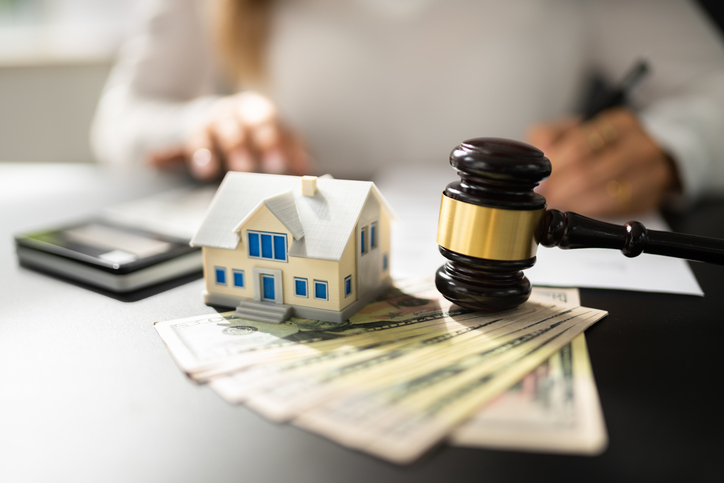
Recent data from ATTOM shows that United States foreclosure rates were 21% higher in the first half of 2026 than the same time period last year. With increased inventory on the market, there’s now more opportunity to capitalize on these attractively priced homes.
When purchasing a foreclosure, there are important caveats you need to know to ensure you don’t come out on the losing end. Most importantly: “Don’t confuse distress with value,” says Mike Steward, managing partner at Real Property Management Sunstate. He provides expert insight into the pros and cons of buying a foreclosed house, how to do it successfully, and what mistakes to avoid.
What Is a Foreclosed Home?
A home becomes foreclosed when the lender enforces its right to take back the property after the borrower defaults on his or her mortgage. This typically happens when the borrower hasn’t made payments in 120 days, but the exact timeline varies by state.
Foreclosed homes are often sold at a steep discount so that the lender can quickly recoup its costs. The National Association of Realtors reports that the median lender-owned foreclosed home sells for 27.2% less than its estimated value.
However, just because the price is low doesn’t mean you should jump at the opportunity. “When a property is in foreclosure, it tells me something about the seller’s situation, but it tells me very little about if the real estate itself is a good deal,” says Steward.
Pros and Cons of Buying a Foreclosed Home
The main pro of buying a foreclosed home is its price. “You’re able to buy that asset below what the stabilized value could be—after you’ve solved the problem. Because there is a problem,” Steward explains.
Buyers face immense uncertainty over what those problems could be. The home could need expensive repairs, or it could even have a tenant. Without careful due diligence, a foreclosed home could easily become a bad investment. “Going from current condition to stabilized value—that’s probably the biggest blind spot for most,” Steward adds.
Types of Foreclosed Homes
Pre-Foreclosures
“Pre-foreclosure is technically not a foreclosure,” Steward says. The homeowner still owns the property and has all the rights to it they normally would. They just haven’t been making payments, and the foreclosure process has started.
Steward says not to get too excited about these properties. The borrower can begin making payments and stop the foreclosure process at any time.
Auction
When a property goes to auction, it’s officially foreclosed. The homeowner no longer owns it, and a third party can buy it.
During an auction, the opening bid is set for the outstanding balance on the home. Prospective buyers don’t get a chance to inspect the property during the bidding process, so the risks and uncertainty are very high. If no bid matches or exceeds the opening bid, the property goes to the lender.
Lender-owned
If the property fails to sell at auction, it becomes a real estate owned (REO) foreclosure. “That means that the lender has now gone through the paperwork for legal processing. It has been foreclosed. They now own it and are now looking to, for the most part, sell it,” Steward explains.
Buying an REO property is similar to buying a non-foreclosed property. The main difference is that it’s sold as-is.
How to Buy a Foreclosed Home
1. Establish your “all-in” number
“The purchase price is just the beginning of the spend,” Steward says. Set a hard limit and
make sure you leave enough wiggle room for all repairs and unexpected expenses.
2. Secure financing
There are multiple foreclosure financing options for REOs, including conventional mortgages. Get a pre-approval letter ahead of time.
If you’re buying at auction, you might need cash, a deposit, or certified funds to place a bid on a home. Every place has different rules.
3. Find foreclosure listings
REOs get a multiple listing service (MLS) number, so a realtor can usually help you find them. You can also search foreclosure homes for sale on sites like Zillow.
Fannie Mae and Freddie Mac—the main federal-backed lenders—promote foreclosures on their own directories. Fannie Mae’s is called HomePath; Freddie Mac’s is called HomeSteps.
4. Conduct due diligence
As part of the foreclosed home purchase process, do as much research as possible. If purchasing a REO foreclosure, hire an experienced home inspector to evaluate the property and be sure to do a title and possession search.
Auctions can be trickier because you won’t normally have access to the property. If you live in the area, you can do a visual inspection of the exterior.
5. Make an offer or bid
Buying an REO is similar to a non-foreclosed home. Have your financing in order, and use a realtor to submit an official offer.
Foreclosure auctions work just like any other auction—you raise your paddle when you want to bid. If you end up with the highest bid, be prepared to spend money that day—at least a deposit.
Avoid getting too emotional and dead set on winning the bid. “That can really hurt you if you want to win at buying the property. Things can start moving fast. You make some really bad decisions by being emotionally attached to it,” Steward says.
6. Complete the purchase
The foreclosure closing process for an REO is similar to a regular home. Once the contract is signed, you’ll need to deposit earnest money, perform due diligence, and sign legal as-is documents from the lender. Your realtor and real estate attorney can coordinate most of this for you.
Auctions move much quicker. After paying your deposit, you’ll have a short time to pay the rest. 30 days is common, but terms differ by auction house.
How to Finance a Foreclosed Home
There are multiple foreclosure financing options for lender-owned foreclosures:
- Conventional Financing: Buying a foreclosure with a mortgage is possible for homes in reasonably good condition. 20% down is preferred.
- FHA 203(k) Rehab Loan: This allows you to bundle the cost of the home with estimated renovation costs. You must meet conditions, like scheduling a foreclosed property inspection and getting licensed contractor bids.
- Fannie Mae HomeStyle Renovation Mortgage: Similar to the FHA 203(k), this allows you to bundle the purchase price and renovation expenses if you meet conditions. The main difference is that it also provides conventional mortgage terms.
- Renovation-Only Financing: You can elect to purchase the home with a conventional mortgage and then fund renovations with an alternative financing source, like a personal loan or line of credit.
At auctions, you normally have to pay cash upfront or prove you have enough certified funds to complete the purchase within the designated timeframe.
What to Watch Out for Before You Buy
Buying a foreclosed home always comes with risks, especially when bought at auction. Unforeseen repairs, liens, and tenants can all make it hard to generate a positive return on investment.
To prevent this from happening, Steward says to avoid these four common mistakes:
- Assuming the foreclosure is below market. A foreclosure may be listed well below comparable homes in your area, but it could need expensive repairs, making it less valuable.
- Underestimating “The most costly foreclosure mistake happens when the buyer prices the known problems, but they didn’t leave enough room for the unknown problems,” Steward says.
- Ignoring title and possession. A building with tenants can become a legal corn maze, and liens can force you to pay back the previous owner’s debts or back taxes.
- Getting emotionally attached. Always treat buying a foreclosed home like a business decision. “Understand there will always be another property, and have the discipline to walk away,” says Steward.
For opportunistic home buyers, savvy real estate investors, and competent flippers, buying a foreclosure can prove to be a profitable investment. If it’s your first time, don’t be afraid to build a team who can help. “I wouldn’t say the buyer has to be an expert in houses, but you should at least be humble enough to surround yourself with those that are,” Steward says.