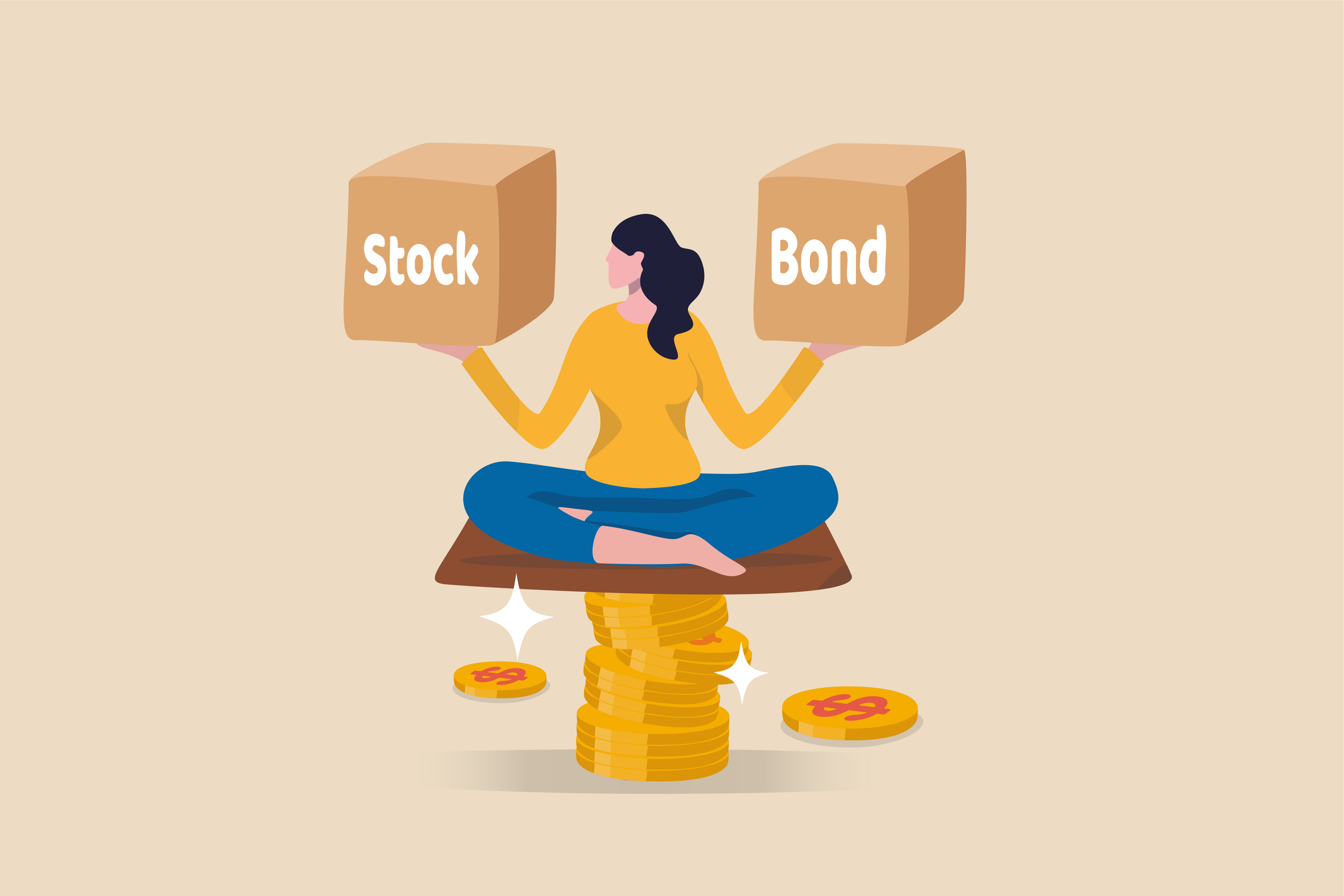
Conventional wisdom says you should regularly rebalance your stock-and-bond portfolio back to your original long-term allocations. It makes sense to automatically reduce winning positions that have become an outsized percentage of your portfolio and redistribute the cash to underperforming positions. Reasons: You avoid making emotional decisions based on market fluctuations…ensure that your portfolio aligns with your long-term financial goals and risk tolerance…reduce guesswork and uncertainty…and force yourself to buy low and sell high.
The question then is, what is the best way to rebalance your portfolio? Bottom Line Personal asked Nick Maggiulli, chief operating officer at Ritholtz Wealth Management, who back-tested a variety of rebalancing strategies using data from the past three decades. His conclusion: How and when you choose to rebalance depends on whether you are seeking optimal performance…lower volatility…or a mix of the two.
Four Popular Portfolio Rebalancing Methods
Our study examined the performance of a hypothetical balanced portfolio consisting of 60% global stocks and 40% US bonds from 1996 through 2024. The portfolio consisted of a mix of five diversified index funds with the following target allocations…
- 35% Vanguard Total Stock Market Index (VTSMX)
- 30% Vanguard Total Bond Market Index (VBMFX)
- 20% Vanguard Total International Stock Index (VGTSX)
- 10% Vanguard Short-Term Bond Index (VBISX)
- 5% Vanguard Emerging Markets Stock Index
We rebalanced this hypothetical portfolio using four popular rebalancing strategies…
- Annual rebalancing: Once at the end of each year.
- Quarterly: Four times a year at three-month intervals.
- 10% Drift: Rebalance anytime the portfolio drifted 10% above or below the target allocations.
- Never Rebalance.
Takeaways from the study…
If your goal is to maximize long-term performance, don’t rebalance at all. In general, the less frequently you rebalance, the better the portfolio’s performance…and the less time and effort you need to put into your portfolio. Over the 29-year period…
- Never Rebalance portfolio returned an annualized average of 7.14%.
- 10% Drift Rebalance—6.91%.
- Annual Rebalance—6.77%.
- Quarterly Rebalance—6.7%.
Selling your winning positions to buy laggards can hinder performance over time. But the performance difference between the four strategies was not hugely significant, and the largest performance gap in any given year was 2024, when the Never Rebalance portfolio returned 6.54 percentage points more than the Quarterly Rebalance portfolio.
If your goal is to sleep better at night, choose a quarterly or annual rebalancing approach.
The quarterly and annual portfolios were only about 60% and 59% as volatile as the S&P 500. The Never Rebalance portfolio was about 65% as volatile as the S&P 500. That’s because more frequent rebalancing keeps a portfolio more closely aligned with your allocation targets. But: More frequent rebalancing did not provide the protection you would hope for in bear markets. Example: In the most recent 2022 bear market, the Never Rebalance portfolio fell 28.9%…the 10% Drift Rebalance fell 26.7%…the Annual Rebalance fell 26%…and the Quarterly Rebalance fell 26%.
Choose a strategy, and stick with it.
A good rebalancing frequency is anywhere from once every six months to once every three years. You want to rebalance often enough to keep your portfolio volatility in check but not so often that you end up overly reducing your exposure to your fastest-growing assets. What you want to avoid: Taking an undisciplined, emotional approach, which can considerably hurt long-term performance—perhaps rebalancing whenever market volatility scares you or you feel you have too much exposure to an asset class.
If your portfolio is in a taxable account, use an accumulation rebalancing strategy.
The study assumed the hypothetical portfolio was in a tax-deferred retirement account and no new cash was being invested. In a taxable account, you are better off rebalancing less frequently because it can greatly diminish long-term performance due to the capital gains taxes you might owe when you trim your winners.
Another solution: If you are still working and contributing to your portfolio regularly, direct any new funds to the most underweight asset classes. That allows you to bring your portfolio allocations back into line with your target allocations without selling securities and facing tax consequences.