
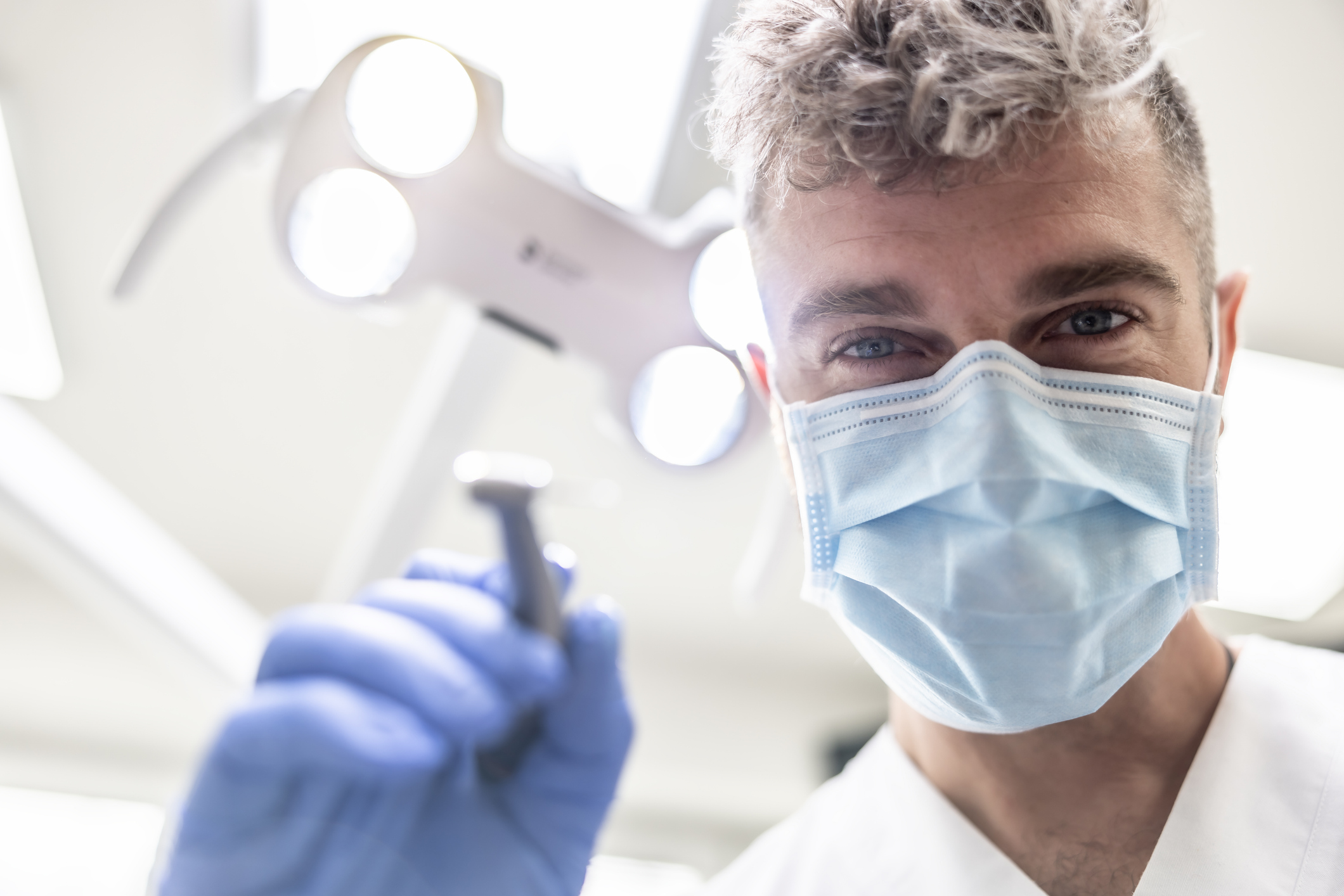
Your smile is priceless…but that doesn’t mean you should get stuck with thousands of dollars of surprise bills from your dentist.
The National Health Care Anti-Fraud Association found that that 5% of the $250 billion spent on dental-care procedures was lost to dental scams and dental fraud. The abuse can range from questionable and excessive treatments to selling unnecessary products.
Reality: The vast majority of dentists are honest and ethical…but dental offices are an easy environment to take advantage of patients.
Dental diagnoses are a gray area of health care. Example: You have a decaying tooth. A conservative practitioner might suggest doing a simple filling and continuing to watch it, while an aggressive and/or proactive dentist might recommend a pricey root canal. He may not be lying, but a root canal often means you also will need a crown for the tooth…and suddenly your bill balloons to thousands of dollars.
Dental insurance, unlike medical insurance, has annual caps on benefits—usually in the range of $1,000 to $2,000 a year. Thus, major dental work or catastrophic care is highly limited for coverage.
Patients are intimidated by dental procedures and don’t ask about alternatives. After all, when tooth and gum pain is disrupting your life, you’re willing to fork over money just to get relief.
Red Flags
Here are some signs that your dentist may be overtreating—and overcharging—you…
Bait and switch. Example: The dental-implant scam—you see an ad on Facebook or TV or a billboard about discount dental implants. You visit the provider for a consultation and are told that you aren’t eligible for the discount option or that the free part was the consultation. You are offered the procedure at full cost, often with convenient but expensive financing options. Many of these clinics are franchise-based practices that work on a quota-based model that encourages dentists to err on the side of extra treatments.
Recommending multiple treatments out of the blue. This might not apply if you are in a lot of pain and haven’t visited a dentist in years. But if your oral health has been good, you shouldn’t suddenly need several crowns. A dental crown should be done only if a tooth is at real risk of fracturing, and an unnecessary crown on a healthy tooth may place the nerve inside under a lot of stress.
Pushing you to replace all of your old silver fillings because “the mercury will leech out.” If a tooth and filling are stable and there are no cracks, fractures or cavities, there is minimal risk with leaving in old fillings. In fact, changing out the filling could destabilize the tooth.
Upselling products such as fluoride treatments and sealants without explaining why they are essential for your dental health. For the average adult who gets regular cleaning, fluoride treatment most likely isn’t necessary. Dental sealants, preventive coatings applied to the surface of your molars to prevent plaque from accumulating on their surfaces, can be useful in some cases—especially for cavity-prone kids—but they also are overprescribed.
Self-Defense from Dental Scams
Ask friends, co-workers and family members to recommend a dentist
Avoid choosing a dentist just because he/she accepts your insurance. Lists of dental providers distributed by insurance companies too often favor the interests to the insurance company and not you or your family.
Ask your dentist about a wait-and-see approach
Some issues, such as an abscess, may need to be treated immediately. But many others can be put off. Your dentist should be able to give you a clear explanation of why any procedure is medically urgent and explain the risks of doing nothing. Example: Not every cavity needs to be drilled. When a cavity is in the first layer of the tooth—the enamel—it can be reversed by brushing and flossing and using specific remineralization products. A cavity that reverses by remineralization creates new tooth structure can be stronger than the original tooth structure. Also: Always ask your dentist if there are alternatives to the treatment he/she is recommending. Example: Is a single tooth implant a viable option versus a bridge and cutting into healthy tooth structure?
Get a second opinion
Different dentists approach care and treatment options very differently. If you are facing a particularly intense or expensive treatment, getting another dentist’s perspective can save you thousands of dollars and unnecessary pain. Your own dentist shouldn’t mind you asking for the time to research and reflect on your options. If you feel uncomfortable pushing back while in the dentist’s chair, defer scheduling an appointment immediately and seek out a second professional opinion. You can always call later to reschedule or cancel with your initial dentist.
