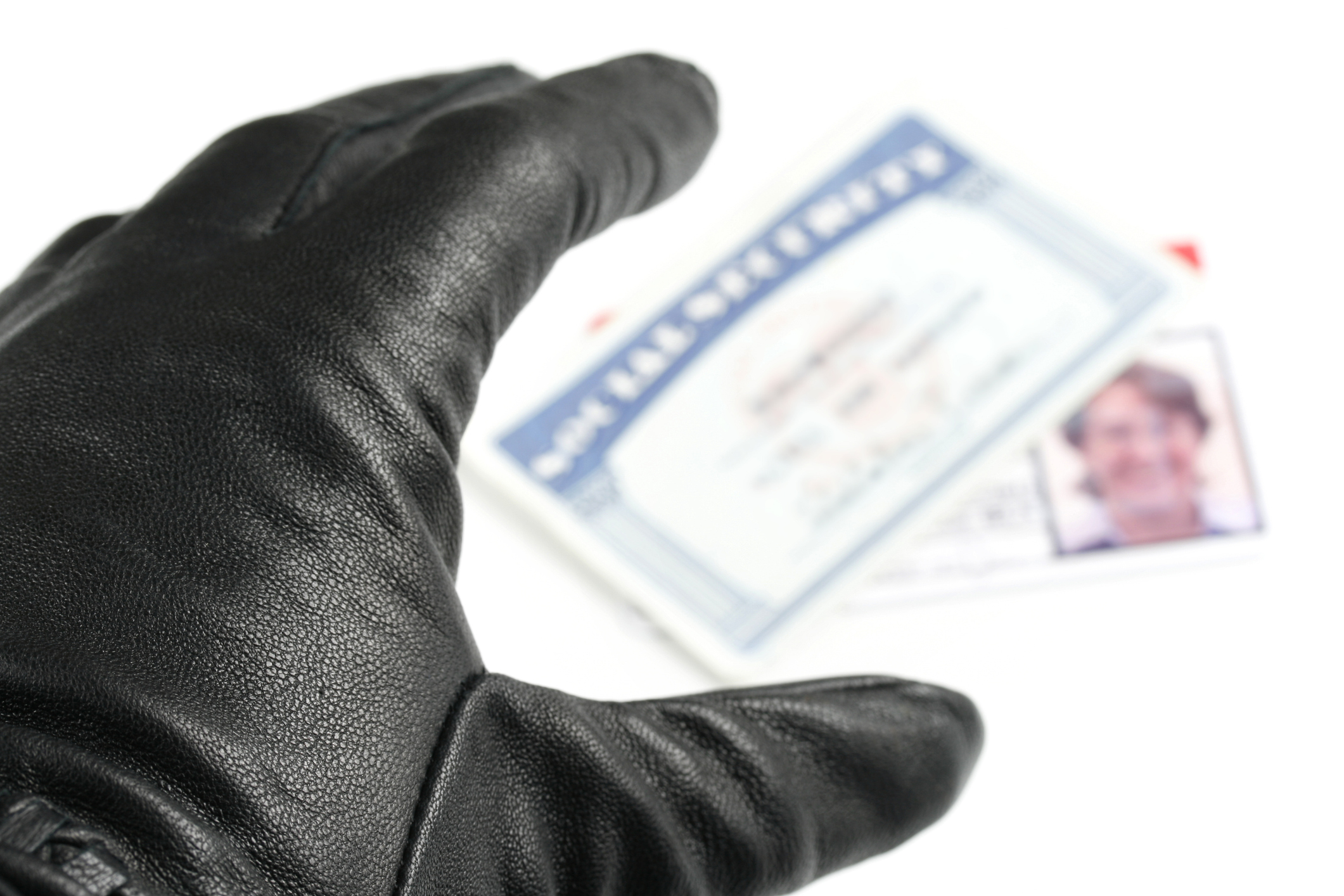
Scammers pretending to represent the Social Security Administration (SSA) are making retirees’ lives a little less secure. Bottom Line Personal asked attorney Steven J.J. Weisman, Esq., founder of the scam-information website Scamicide.com, to explain the Social Security scams people need to know about now…
Important: If you receive any suspicious communication from the Social Security Administration—by text, e-mail or phone call—call the SSA directly at 1-800-772-1213 to confirm that it is legitimate.
Suspended Social Security account scam
You receive a phone call, text or e-mail informing you that your Social Security account has been suspended due to “suspicious activity.” You’re warned that you won’t receive any further benefits until the matter is resolved. If you were contacted via e-mail or text, there’s a link or contact information for the SSA employee handling the matter.
Reality: Your Social Security account has not been suspended—the SSA never suspends Social Security numbers or accounts. A scammer made the call or sent the text or e-mail to try to get you to reveal your Social Security number and other key information so he/she can steal your identity or perhaps even hijack your Social Security benefits.
Warning: If you’re contacted by phone, your phone’s caller ID even might identify the scammer as the Social Security Administration—tech-savvy scammers can make caller ID say whatever they want it to say.
Social Security statement download scam
You receive a text or e-mail allegedly from the SSA reminding you that you should review your Social Security benefits statement at least once a year. The text or e-mail contains a link you can click to download your latest statement.
Reality: Clicking the link will download malware onto your computer or phone. Depending on the type of malware, clicking the link could send the scammer your usernames and passwords for every account you access with the device, including bank and investment accounts.
Even people who know it’s unwise to click links in texts and e-mails sometimes fall for this scam because it contains a kernel of truth—the SSA really does recommend that people review their statements every year.
Similar: In a variation of this scam, the victim is told he/she needs to download a software update to access his Social Security account. As above, clicking the provided link downloads malware.
Don’t-miss-out-on-a-benefit-boost scam
A text, e-mail or phone call that appears to come from the SSA warns that you haven’t yet signed up for this year’s Social Security cost-of-living adjustment (COLA)…or for the additional benefits you’re due under the new Social Security Fairness Act…or for some other type of benefit increase. You’re told that every month that passes without signing up for this costs you money.
Reality: Invitations to apply for a recent Social Security benefit increase are always scams. COLA and other benefit increases are applied automatically, no application required. You must apply when you wish to begin receiving benefits—but the real SSA won’t reach out to warn you to do this.
SSA badge scam
You receive a text or e-mail warning that there’s a problem with your Social Security account, and that you may not receive any further benefits until this problem is resolved. The communication cautions that there are many Social Security–related scams, so you shouldn’t trust messages from the SSA unless proof is provided—and this SSA employee includes a photo of his/her SSA badge to prove that he is who he claims to be.
Reality: A scammer used AI to create a very realistic yet fake SSA badge—perhaps even with the name of a real SSA employee on it. Badges convey authority and legitimacy, so including this increases the odds that the victim will believe the scammer. The inclusion of an SSA badge not only shouldn’t be considered evidence that a text or e-mail is legitimate, it is proof that it isn’t—real SSA employees don’t send photos of their credentials as proof of identity in situations like these, nor do other federal agents.
Excess-payments scam
A text, e-mail or phone call informs you that you’ve been receiving larger Social Security benefits payments than you were due and now must repay the excess…and it says that you must make this repayment using cash, gift cards and/or wire transfer very quickly to avoid prosecution.
Reality: A scammer is trying to make you panic. You might think that only a fool would fall for this scam…after all, why would the federal government encourage people to make a payment using gift cards? But when we panic, our ability to think rationally is greatly diminished—an out-of-the-blue message about federal prosecution and garnished Social Security benefits is precisely the sort of thing that can induce panic.
“Here’s a Social Security Administration employee who can help” scam
The fraud-detection department of a major company such as Amazon or PayPal contacts you with troubling news—there’s a serious problem with your account. While working with you to solve the problem, this fraud-detection employee realizes what’s happening—your Social Security number has been compromised. This has become a common problem, he notes—so much so that the SSA has an employee who is specifically tasked with helping people in your situation. The rep says he will transfer you directly to this SSA agent who will sort everything out.
Reality: Both the fraud-detection department employee and the SSA agent with whom he connects you are scammers (they even could be the same scammer posing as two different people). They are taking advantage of a quirk of human psychology. When one person reassures us that we can trust someone else, it increases the odds that we will trust that second person—even when we really don’t know the first person very well.
Similar: In some versions of this scam, the first scammer claims to be a police officer.
How to Spot Most Social Security Scams
There’s one common theme in the Social Security scams described above—the victim typically is initially contacted via text, e-mail or phone. This is a huge clue that it’s a scam—the real SSA does not initiate communications with beneficiaries in these ways. Authentic SSA communications almost always arrive via a letter delivered by the US Post Office and/or through a message in the beneficiary’s “my Social Security” account at SSA.gov. Potential exceptions: While the real SSA doesn’t initiate contact via text, e-mail or phone, it might use these to follow up on a matter already under discussion. And if you’ve set up a “my Social Security” account, you might receive legitimate e-mails and/or texts letting you know when there’s a new message for you in that account—though only if you elected to receive such e-mails and/or texts. Also, the SSA also sometimes sends generic “informational” e-mails.
Caution: Legitimate communications from the SSA frequently arrive through the US mail, but that does not guarantee that all letters received from the SSA are legit. Occasionally scammers mail fake SSA letters to victims—often on extremely realistic-looking SSA letterhead. If you receive a printed letter that seems to come from the SSA and that requires a response, do not respond to the contact info provided in that letter. Instead, call the actual SSA at 800-772-1213, and ask to be transferred to the SSA employee, department or extension mentioned in the letter…and/or check your “my Social Security” account at SSA.gov to see if there’s a legitimate message waiting for you.
Reporting Identity Theft and Other Social Security Scams
If you believe you have been targeted by a Social Security scam, report it to the SSA at 800-269-0271 or at Secure.ssa.gov/oig/scam. These SSA contact options can be used to report fake SSA employees, online phishing attempts and any other suspicious activity that seems likely to be part of a Social Security scam.