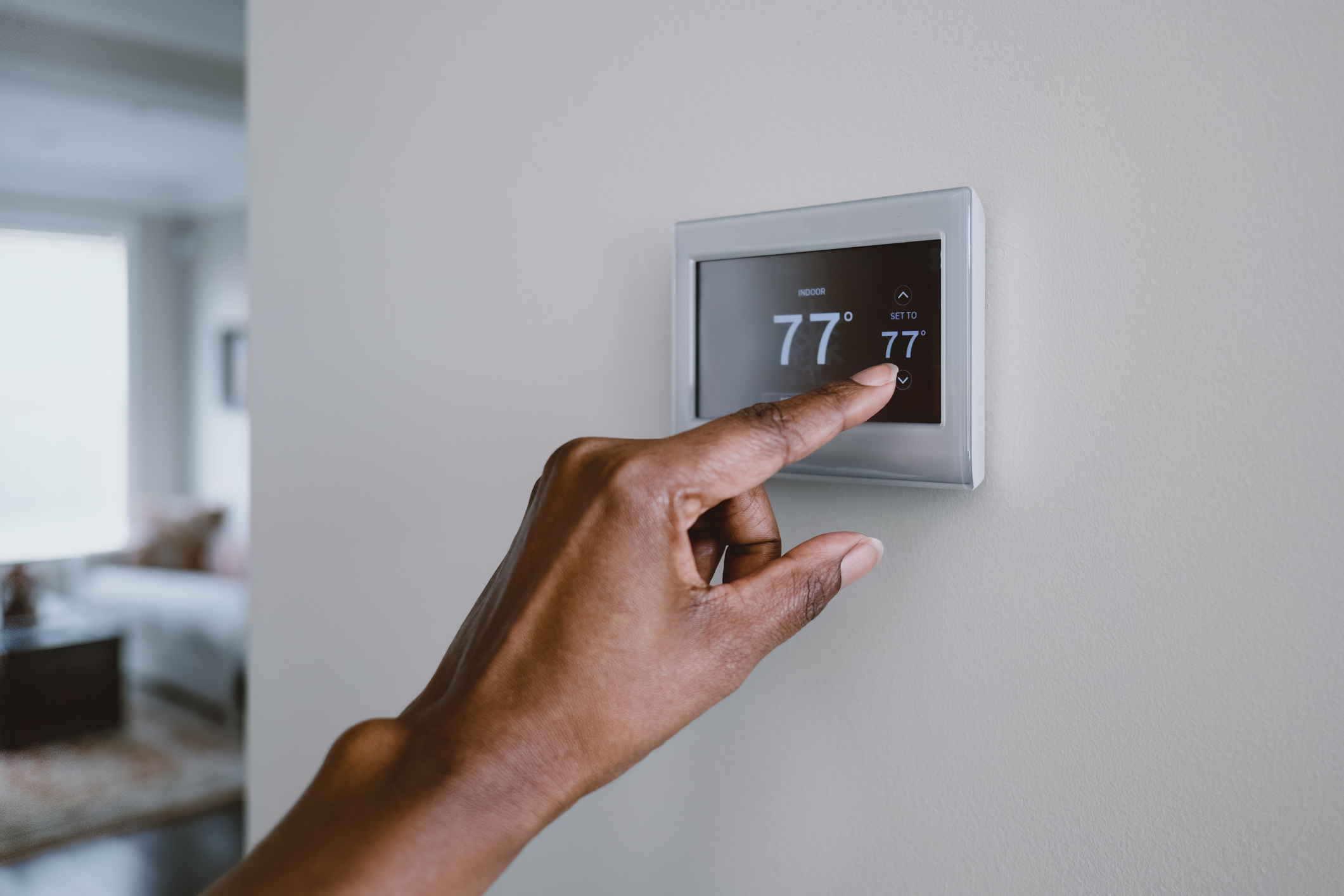
Homeowners rarely give their heating, ventilation and air-conditioning (HVAC) systems much thought—until they wake up one morning to unexpectedly uncomfortable temperatures. When an HVAC system requires repairs, costs can climb into the hundreds or thousands of dollars, depending on what’s gone wrong…and when these systems need to be replaced, bills might be in the neighborhood of $10,000 or even more.
You may wonder how long your HVAC system can last and what you can do to help it last as long as possible. And when the time comes to replace it, how do you choose the best HVAC system for your needs? For answers to these and other questions, Bottom Line Personal asked licensed master HVAC contractor Joshua Griffin…
How Long Do HVAC Systems Last?
The short answer—HVAC systems typically last 15 to 20 years. But the more useful answer is that HVAC longevity depends on several factors…
Specific HVAC components
Asking “How long do HVAC systems last?” ignores a key detail—different HVAC components have significantly different lifespans. Air conditioning, heat pumps and mini-split units (a ductless heating and cooling system) often last around 15 years…furnaces routinely last 20 to 30 years.
Local climate
Car owners might have encountered the phrase, “It isn’t the years, it’s the mileage.” There’s some truth to that with HVAC components as well. An air conditioner in the heat of the deep South is likely to be in operation many more hours per year than one in the Northern US, so it’s not likely to last as many years. For similar reasons, a furnace in a Northern home isn’t likely to last as long as one in the South. HVAC systems near the coasts face an additional challenge that can cut their lifespans especially short—“The salt air eats them,” says Griffin. “Installers in the Outer Banks of North Carolina tell me they’re happy if a system lasts eight years.”
Quality and upkeep
Some HVAC manufacturers make longer-lasting products than others—that’s true in virtually any sector—but homeowners often underestimate the degree to which the quality of the HVAC contractor who installs the system matters as well as how much regular maintenance can extend an HVAC system’s life
HVAC Maintenance
Good news: Homeowners don’t have to do very much do-it-yourself HVAC maintenance. Just change the system’s filter(s) according to the schedule laid out in its user’s manual…clear obstructions away from outdoor HVAC components to ensure proper airflow…and periodically confirm that HVAC drain lines aren’t clogged. You can do this by putting a shop vac on the end of the drain to remove any clogs.
But: It is wise to pay a professional to service the system at least once and preferably twice per year. Not only can professional cleanings and inspections extend the life of HVAC systems, they can extend the life of HVAC warranties. HVAC warranties today often are voided if the homeowner fails to have a professional maintain the system according to a schedule dictated by the warranty’s small print.
Important: Don’t assume that an HVAC filter with a high Minimum Efficiency Reporting Value (MERV) rating is a better choice than one with a lower rating. Filters with high MERV ratings might provide excellent filtration, but they also might require the HVAC system to work harder to force air through that filter, potentially shortening the HVAC system’s life. To select a filter appropriate for your system: Ask the HVAC pro who performs your system’s annual or semi-annual maintenance to use a manometer to evaluate the system’s air pressure, then make a filter recommendation.
When HVAC Issues Arise
The most common sign that an HVAC system requires repair or replacement is obvious—it’s no longer warming or cooling well. But uncomfortable temps aren’t the only potential sign of a failing HVAC system. A big spike in utility bills that can’t be explained by extreme outdoor temperatures or utility rate hikes could point to a failing system—an HVAC system that is struggling to heat or cool might remain in operation much longer than normal to produce the desired temperature, increasing electricity or heating-fuel use. Also, unusual sounds from an HVAC system can point to problems.
Helpful: Just because an HVAC system has stopped operating doesn’t necessarily mean that it’s broken. The problem could be a dead battery in the home’s thermostat or a tripped circuit breaker. Check both of these potential issues before calling in a professional. In fact, if your thermostat has a battery—not all do—replace this annually to reduce the risk that it will die at an inopportune time.
Repair or Replace?
When an aging HVAC system requires expensive repairs, homeowners often wonder whether it’s worth having those repairs done…or if it’s time to replace the system. If they enter this question into a search engine, they’re likely to encounter seemingly useful rules of thumb. Example: Multiply the HVAC unit’s age in years by the cost of the repair in dollars and replace rather than repair if the result is greater than $5,000.
But: Griffin warns that these rules of thumb can steer homeowners to poor decisions. Some HVAC systems last significantly longer than others depending on multiple factors. If the HVAC component in need of repair is well-made, well-installed, and well-maintained, it might be worth paying for the repair even if a rule of thumb says not to…but if the component is of poor quality and/or is in poor shape, even a relatively inexpensive repair might be throwing good money after bad.
Best: Before making a repair-or-replace decision, ask the HVAC pro who diagnoses the problem how well the system seems to be holding up aside from the required repair.
When It Is Time to Replace an HVAC System…
Which HVAC brands are most reliable? According to Griffin, most HVAC pros agree that three manufacturers deserve to be ranked on the sector’s top tier…
- Daikin, including Daikin-owned brands Amana and Goodman.
- Trane, including Trane-owned brand American Standard.
- Carrier, including Carrier-owned brand Bryant.
Some HVAC pros will argue that other manufacturers deserve to be included in this top tier, but if a homeowner opts for an HVAC system made by one of these “big three” companies, he/she can be confident that they’re getting a quality product.
Griffin cautions that choosing high-quality HVAC products isn’t a homeowner’s only challenge when a new system needs to be installed. Choosing a high-quality installer is vital, too—even the best HVAC system will perform poorly if improperly installed. Don’t hire an HVAC installer simply because he/she quotes the lowest price. “Hire whoever is the best installer in your area,” says Griffin. “If that means you have to pay a bit more, be glad to pay it—you’re saving yourself money in the long run.”
To find top HVAC contractors…
Buy from one of the “big three” manufacturers
One way that leading HVAC brands protect their reputations is by working only with reliable installers. “To even install their equipment, contractors typically have to jump through some hoops,” says Griffin. “They’ve been vetted to a degree.”
Consider how you’re treated when you call
Does the person answering the phone for the HVAC pro give you warm-and-fuzzy feelings? If you reach voicemail, is your call returned within an hour? HVAC pros who can’t be bothered to provide good customer service on the phone often are pros who can’t be trusted to do good work, either.
Read online reviews
Any experienced HVAC pro is likely to have few negative reviews online, but the lion’s share of the reviews should be positive, and only negative reviews should be about minor understandable issues such as arriving a little late for appointments. It’s far more troubling if multiple reviews say the pro did substandard work and failed to fix the problems.
The installer provides a detailed contract
Before an HVAC pro installs a new system, he should provide the homeowner with a contract that details not only what HVAC equipment the homeowner is receiving, but also how the homeowner is protected if things don’t go according to plan. What recourse does the homeowner have if the HVAC system doesn’t perform as desired? The contract should provide answers.
Warranty warning: Register your new HVAC system promptly when the equipment is installed…or confirm that your contractor has done so on your behalf. HVAC systems typically feature warranty protection lasting 10 to 12 years, but failing to register them within one to three months of installation often dramatically shortens that warranty—potentially down to just two to five years—unless the homeowner’s state has enacted laws prohibiting this warranty-shortening practice.