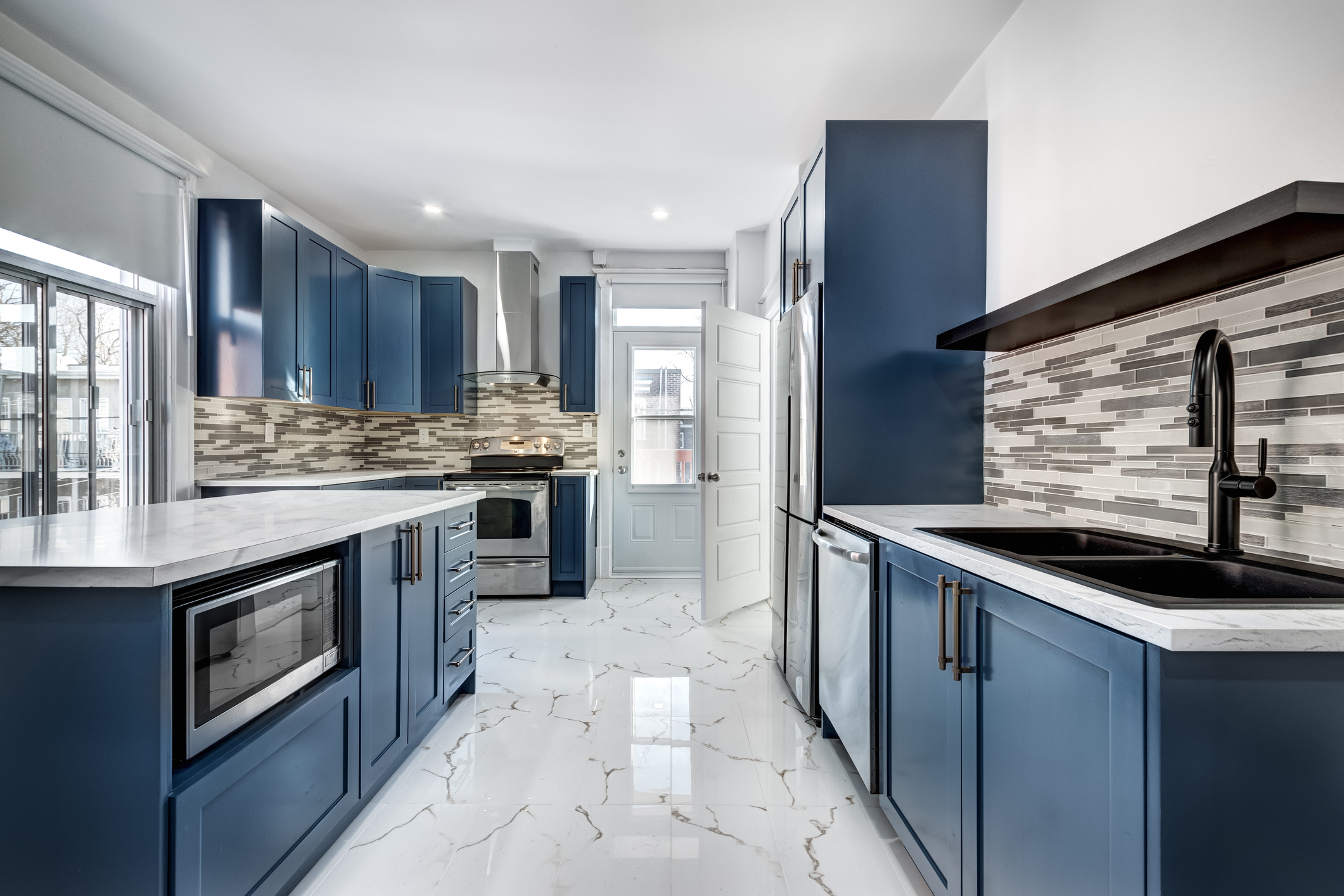
Homeowners often focus on aesthetics during a kitchen renovation. They painstakingly pick out beautiful tile, agonize over color options and seek inspiration from interior design magazines and showrooms. Reality: Those aren’t the kitchen-remodeling decisions that will determine whether they love their new kitchens.
The kitchen serves crucial functional roles in most homes. It’s where food is prepared and consumed…where families spend much of their together time…and often where guests linger. Whether a kitchen looks nice matters, but whether it serves its most important functions matters even more.
Bottom Line Personal asked remodeling-consultant Jim Molinelli what homeowners wish they knew before they began their kitchen renovations…
- Not every kitchen should have an island.
- The dishwasher should be near the dish cabinets.
- Have 18 inches of counterspace on both sides of the cooktop and range.
- Create cooking areas for all the cooks in the household.
- Cabinets are usually better than walk-in pantries.
Layout Matters
Homeowners should consider not only what they want in their new kitchens but where those things should be positioned and whether these things are a good fit for their kitchens. Five layout- and component-related details homeowners should consider before beginning kitchen renovations…
- Kitchens that don’t currently have islands probably can’t fit one. Everyone wants a kitchen island, but many kitchens can’t fit one comfortably—and shoehorning one into a kitchen that lacks sufficient space is something homeowners inevitably regret. Guideline: There should be 45 inches—and preferably 48 inches—between an island and surrounding cabinets and appliances. People won’t feel crowded and cramped when they try to work in the kitchen, and there will be room to open cabinet drawers and dishwasher doors. Shrinking the island is rarely a satisfying solution—an undersized kitchen island isn’t a nice spot to eat or cook. Sadly, homeowners only realize that the island doesn’t truly fit after it’s constructed and multiple people try to move around it.

- The dishwasher should be positioned near dish storage. Dishwasher location is usually adjacent to the kitchen sink—these two components typically are placed near each other to simplify plumbing. What’s sometimes overlooked: The dishwasher also should also be closer to where dishes are stored. Also avoid putting the dishwasher in or near the corner of a kitchen where its open door will block access to cabinets.
- Ranges and cooktops benefit greatly from adjacent counterspace. When you’re designing your new kitchen, include a minimum of 18 inches of counterspace on both sides of the range and/or cooktop. This will be valuable workspace for prepping ingredients that will go directly into pots…and for placing pots and pans that are removed from burners.
- More cooks in the household means more cooking areas needed. In many kitchens, all of the cooking appliances are in essentially the same place—the stovetop is directly over the oven, and the microwave is combined with a range hood immediately above that. This space-efficient arrangement is appropriate for solo cooks and cramped kitchens—but for couples or families who cook together, it greatly increases the odds that they’ll get in each other’s way. Separating the oven and cooktop is a better choice for multicook households, assuming space and budget allow.
- Cabinets beat walk-in pantries when storage space is at a premium. Walk-in pantries are popular, but they aren’t ideal if your kitchen storage areas are stuffed to capacity. In fact, walk-in pantries don’t provide as much storage as you might think. The floorspace that must be left open so there’s room for someone to stand in the pantry is space that can’t be used to store stuff. To maximize kitchen storage space: Select tall, deep cabinets with pull-out trays that slide out easily to access items in the back.


Kitchen Remodeling Cost Concerns
Finances are the not-so-fun part of kitchen renovations. Most homeowners would rather think about which colors they’ll feature than how much green the project will cost. But failing to fully consider the financial side upfront can lead to severe sticker shock.
You could spend virtually any amount on a kitchen renovation—from a few hundred bucks for a simple DIY kitchen refresh to six figures to have a high-end kitchen built from scratch. But whatever the scale of the kitchen renovation a homeowner has in mind, its price tag is likely to shock, because the cost of building materials and labor have shot up sharply in recent years. It’s not uncommon for kitchen renovation quotes to be 50% higher than they would have been before the pandemic.
Five things homeowners often wish they’d known about costs and other practicalities before beginning kitchen renovations…
Cabinets are the most important expense in a kitchen renovation
Homeowners can obtain very nice new kitchen appliances without anteing up for the luxury brands…and they don’t need to spend top dollar to find flooring and countertop materials that look great and wear well. But when it comes to kitchen cabinets, price is highly correlated with quality. Higher-end cabinets don’t just offer aesthetic appeal, they’re far more likely to last than lower-end options. Their drawers and doors should still work well decades down the road, long after new appliances have been replaced and new kitchen tiles have chipped or gone out of style.
A top-of-the-line garbage disposal is a cost-effective upgrade
The garbage disposal is among a kitchen’s least-glamourous components, but it’s one place where spending a little extra cash goes a long way. A top-of-the-line disposal often costs only $75 to $150 more than an entry-level unit, but it’s likely to provide many more years of trouble-free service. Warning: It’s generally not wise to have a garbage disposal installed if the home has a septic system. One to consider: InSinkErator Pro 750.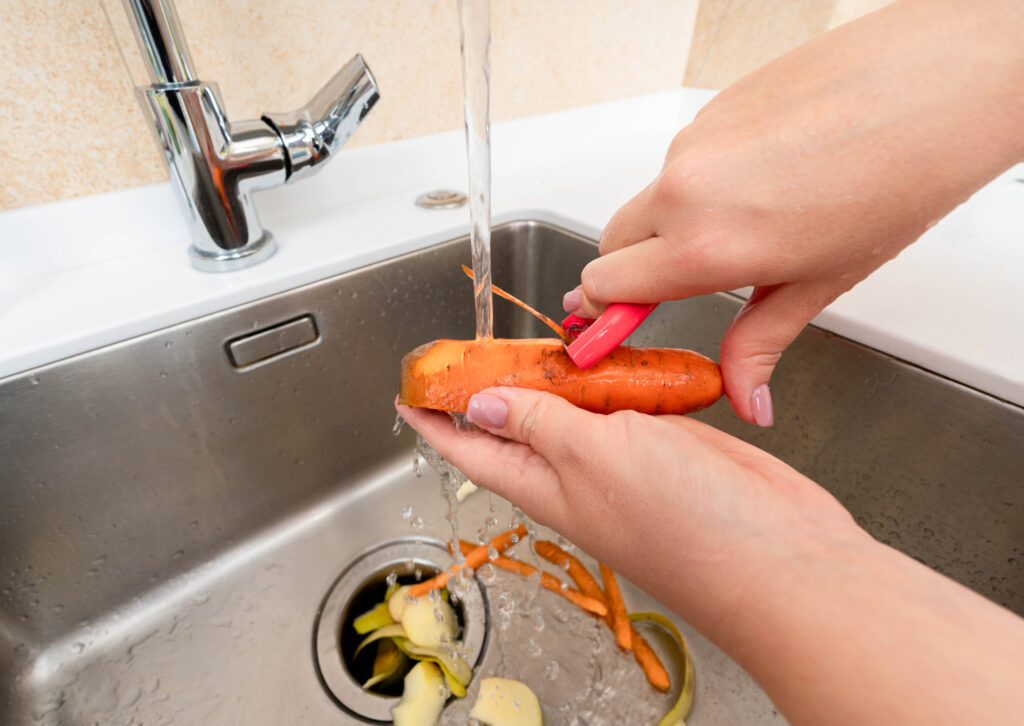
Lighting above kitchen workspaces is money well spent
Most kitchens have lighting in the center of the ceiling and on the underside of cabinets that overhang countertops. But those light sources are not ideal for people prepping meals, reading or doing other chores on kitchen countertops—the light from the center of the room gets blocked by the shadow of the person standing at the counter…and the lights under cabinets illuminate the back half of countertops but not the front half. Better: Add bright ceiling lighting that points down at the kitchen countertops from just forward of the overhanging cabinets to make this workspace significantly more functional.
Skip the pot-filler faucet
These trendy “pot-filler faucets” over the cooktop can seem like a helpful feature when in a showroom or a friend’s home. But if this faucet ever drips or leaks, that water could ruin the cooktop below and perhaps cause additional damage.
A temporary kitchen can be a money saver during extensive renovations
The typical kitchen renovation takes four to eight weeks—and potentially longer if the kitchen’s footprint is being altered. If you eat out and order in for all of that time, the high cost of restaurant food will substantially increase your overall renovation expenses. Better: Create a temporary kitchen in a different room—ideally one that’s near a mudroom or another sink so you have access to water. Just ask your contractor to move your old refrigerator, stove and microwave into this space until your new kitchen is complete. Exception: If you have a gas stove, relocating it won’t be practical.