
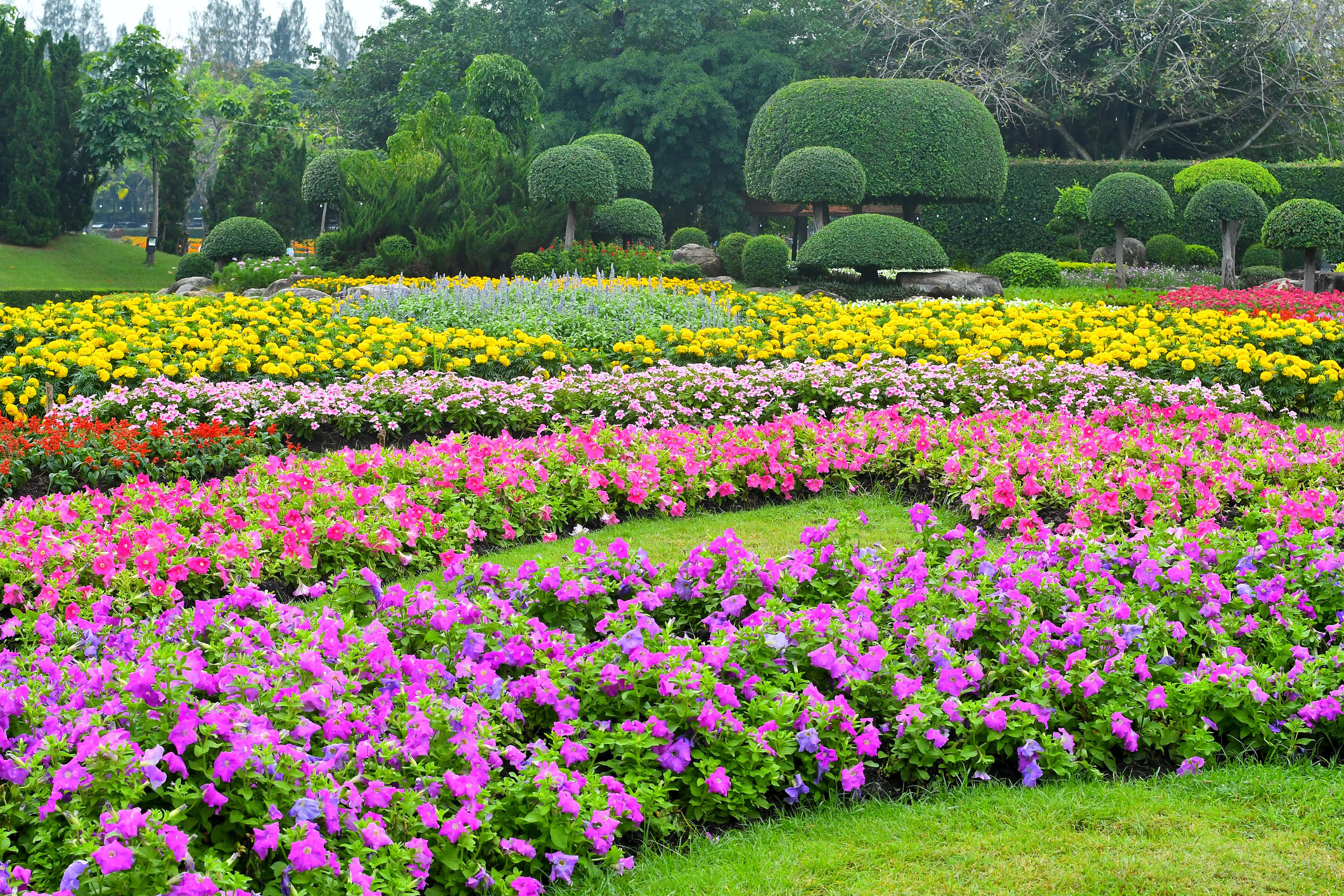
Whether you’re a busy person or just want a lot of bang for your gardening buck, long-lasting perennials are a smart garden investment. Unlike annuals (which have to be purchased afresh every year), perennial flowers are left to grow in place, get bigger, look better and bloom more generously year after year. Gardening expert Teri Dunn Chace lists her favorite perennials and explains how to get the most from them…
Choose proven performers
Not all perennials are easy-going and/or long-blooming, but the following ones are. They’re also widely available, and unless otherwise noted, should be grown in full sun and can survive snowy winters.
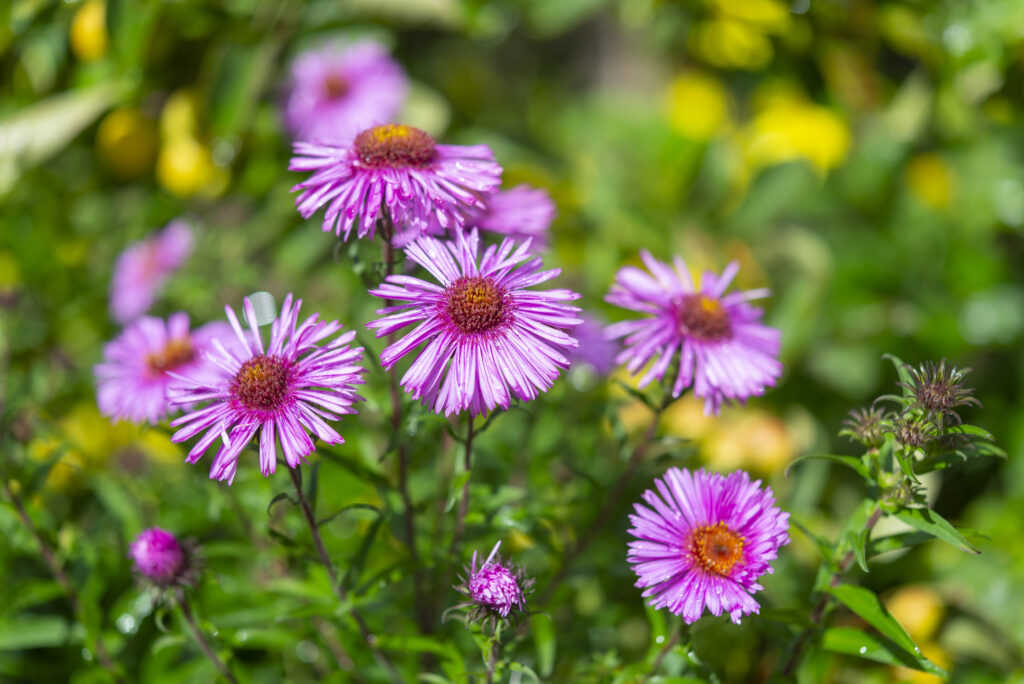
Aster (Symphyotrichum)
These mounding plants—which grow in neat, rounded, full shapes—are about two feet around and studded with small daisies, mostly in shades of blue, purple, red, pink and white with yellow centers. Blooming usually starts in late summer and continues long into autumn.
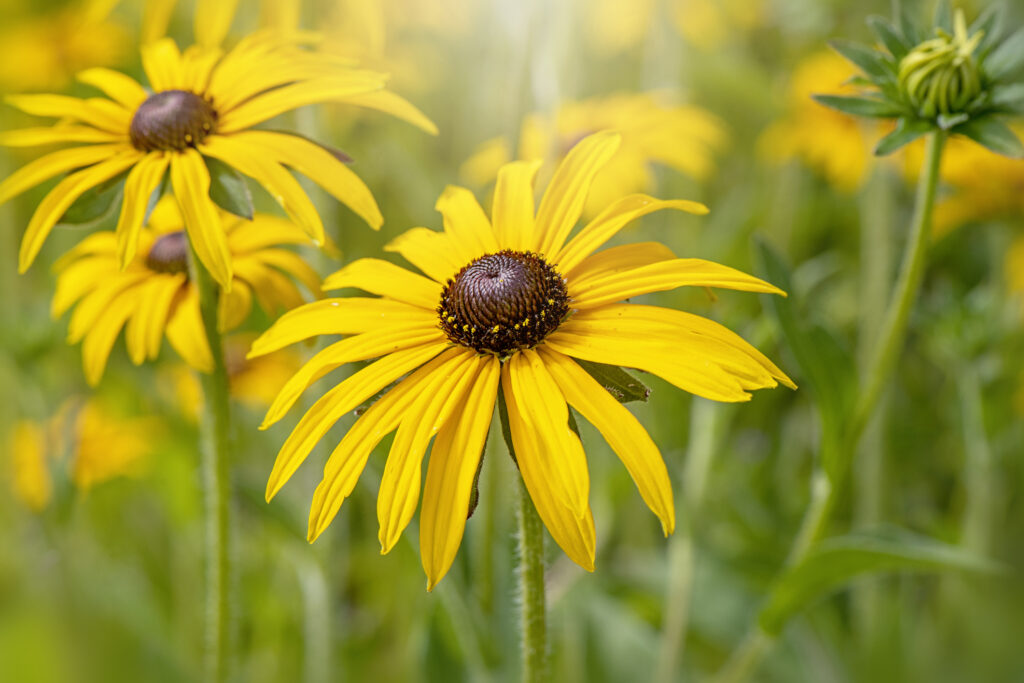
Black-eyed Susan (Rudbeckia)
These exuberant summer-to-fall bloomers grow to between two and four feet tall. They have large yellow, orange, maroon or mahogany daisy-like flowers with dark, domelike centers.
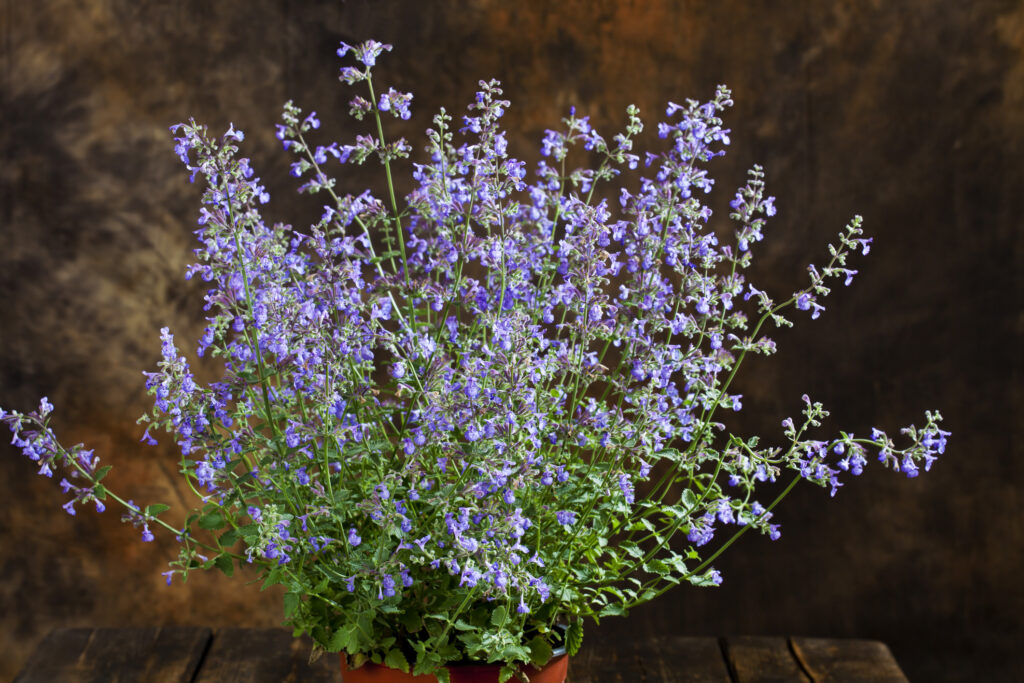
Catmint (Nepeta)
Scads of perky, light-purple flower spires on gray-green foliage. Bees and other pollinators love this plant. The growth habit is mounding or bushy, typically about one to three feet high and wide.
Coneflower (Echinacea)
Taller plants (three to five feet) are tough and beautiful, putting forth loads of purple, rosy or white blooms. New varieties extend the color range and vary the look of the flower, from fluffy forms to tufted flowers.
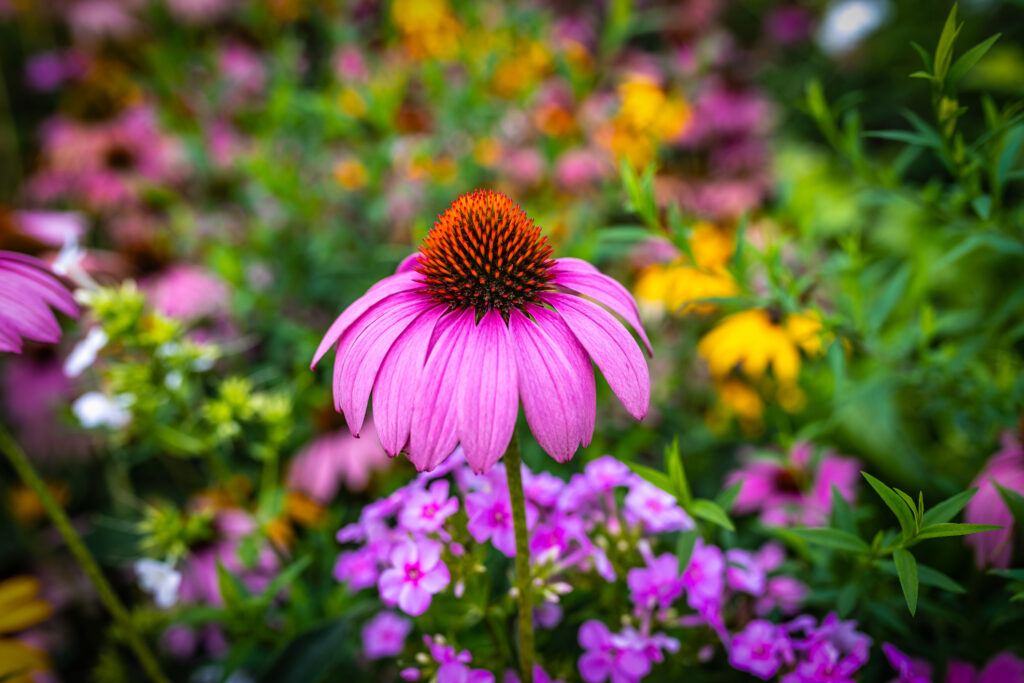
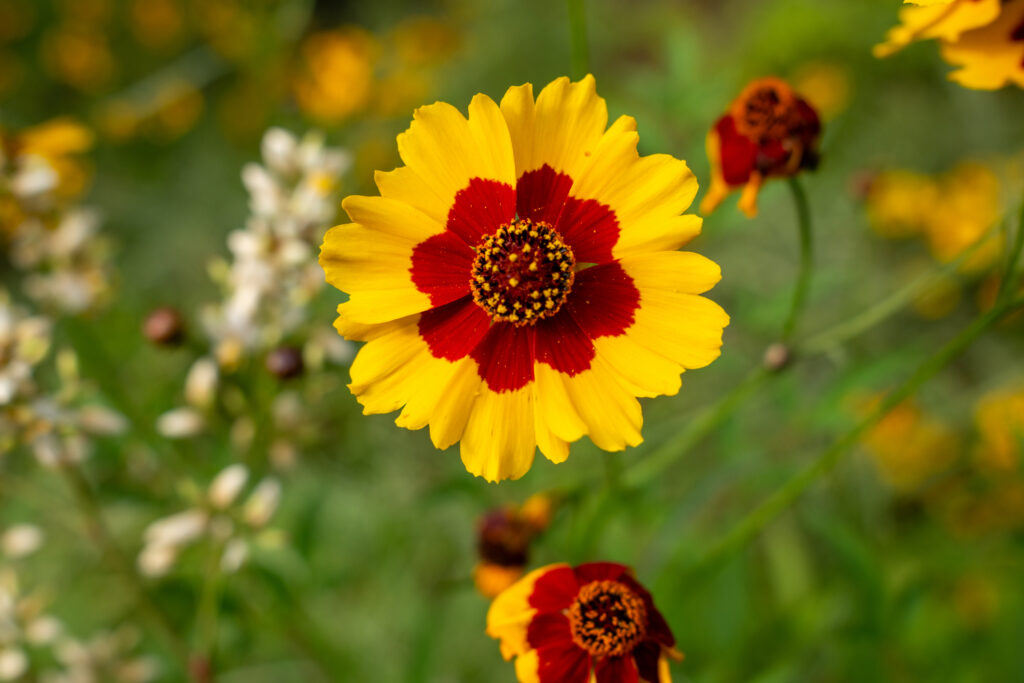
Tickseed (Coreopsis)
These carefree plants covered in sunny yellow blooms weave through a flowerbed over the years. Some are single daisies…others are fluffy “double” flowers.
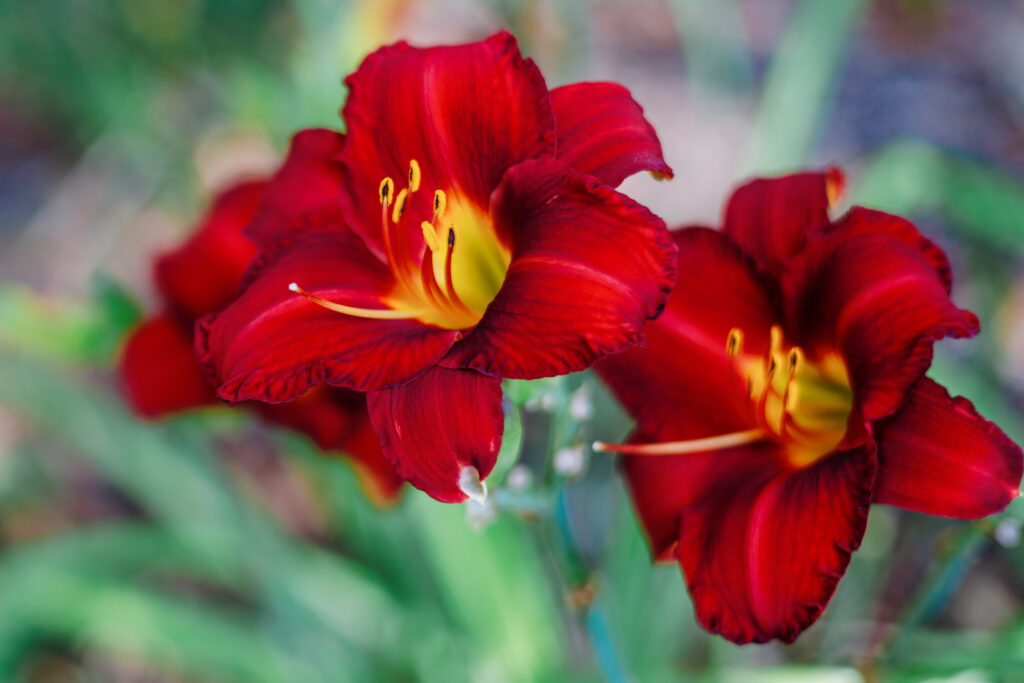
Daylily (Hemerocallis)
Count on a constant parade of large, trumpet-shaped flowers in single and bi-color shades of yellow, orange, pink, red and violet. The flowers are accompanied by grassy leaves that reach a foot or two high.
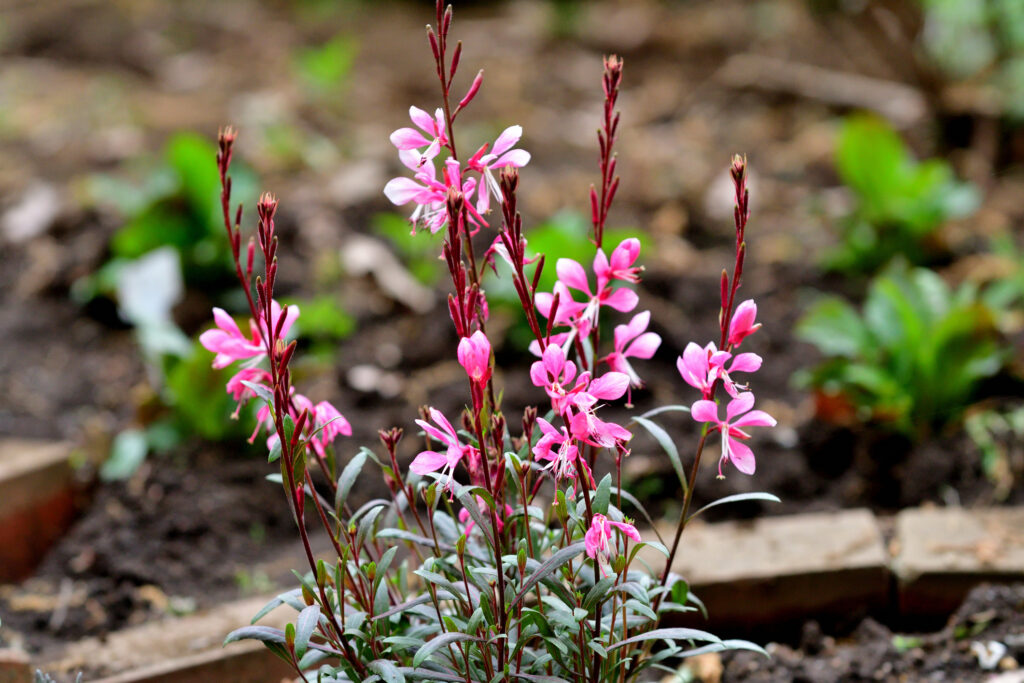
Gaura
Willowy foliage and abundant slender wands bearing delicate-looking, pretty flowers in white or pink. This flower is a champ in hot, dry summers but is less cold-tolerant.
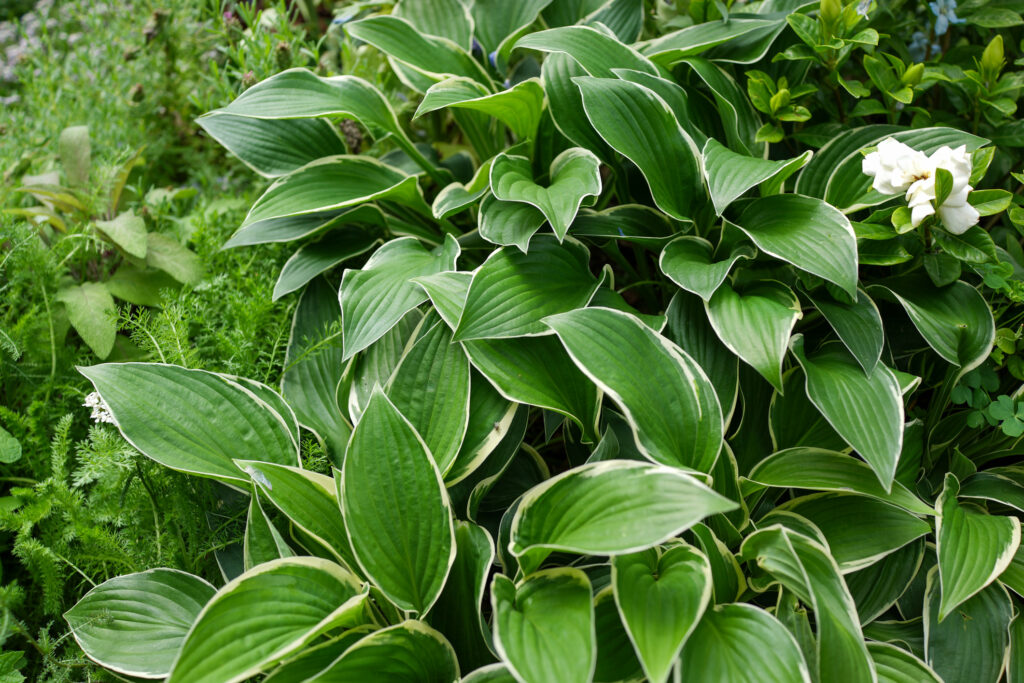
Hosta
Beloved for its broad, heart-shaped leaves in various hues of green or blue-green, hosta may be crinkled or variegated with white, cream or gold. White or lavender flower spikes appear in summer. Size varies. Best grown in shade.
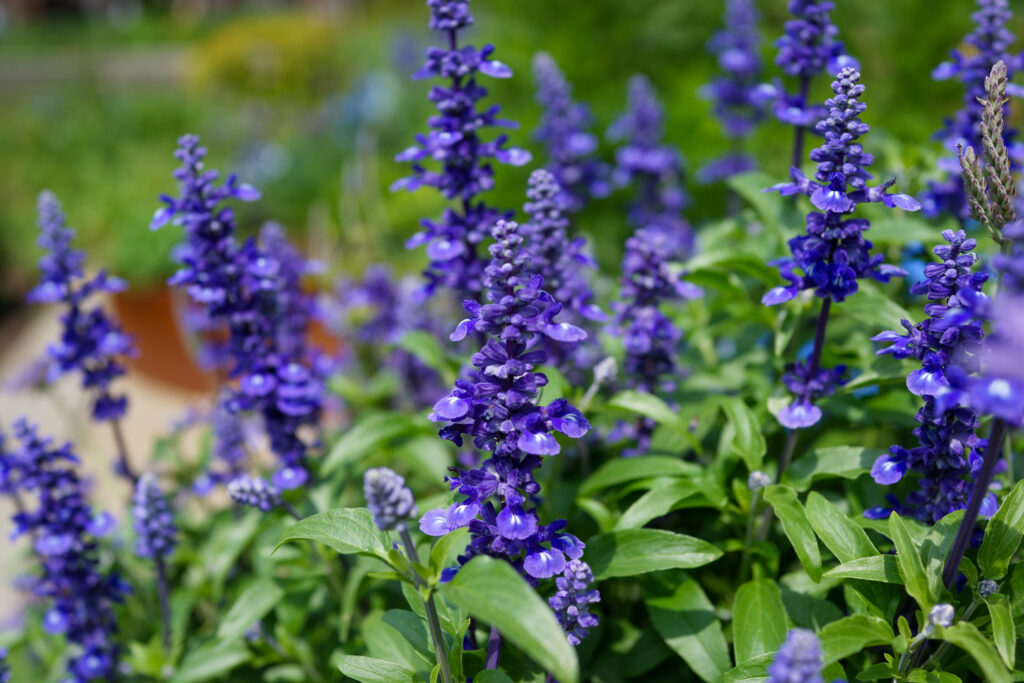
Perennial Sage (Salvia)
Most salvias are adapted to areas with dry summers and mild winters. Plants grow several feet tall and wide and are studded with small but beautiful flowers in jewel-like hues, including garnet and indigo blue.
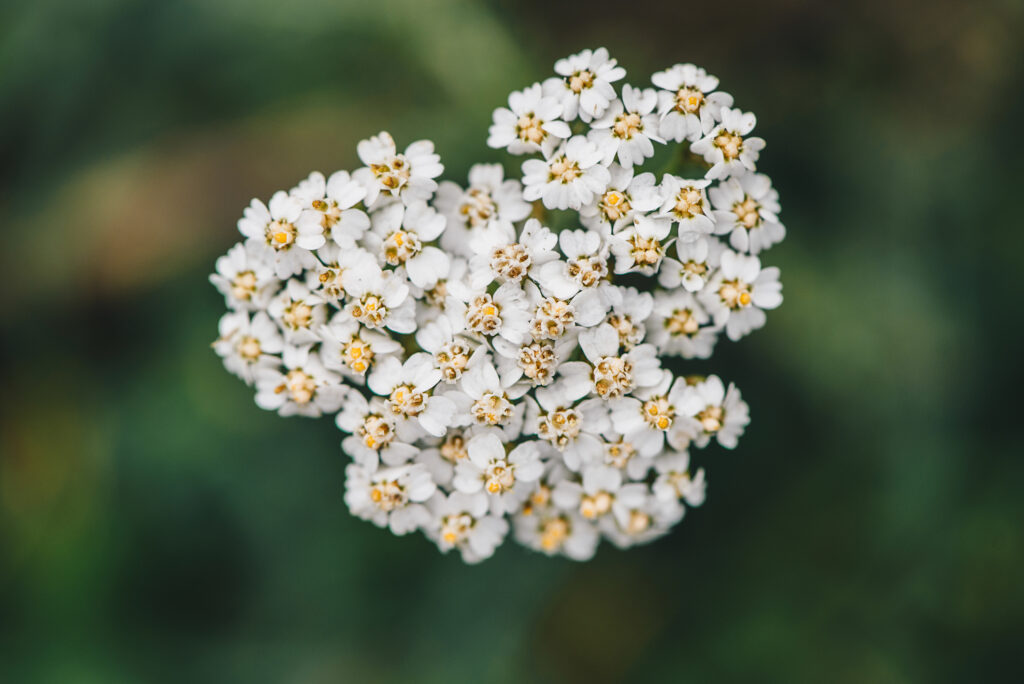
Yarrow (Achillea)
Ferny gray foliage topped with tight, flat-topped clusters of handsome yellow, red or white blooms. The plants range in height from groundcovers to tall five-footers.
To Get the Most From Your Perennials
Shop with care
Make sure a plant is well rooted by turning it over or sideways and thumping the pot lightly. Neither the plant nor the soil mix should fall out, and you even may see a few roots peeking out of the bottom drainage holes (they should be white and crunchy…not black and scraggly). Look at leaf undersides and where stalks meet stems for tiny bugs, sticky residue or webs. Leaves and buds should look good—little or no spotted, curled or yellowed ones.
Pro tip: Don’t be tempted by bloom-filled plants. Petals may drop off on the car ride home or after planting. It is better to buy a plant that’s full of unopened buds or at least one that’s showing signs of fresh new growth.
Plant correctly and pamper in the early days
Install your perennials in a spot with good, organically rich, well-drained soil. Set each plant in at the depth it was growing in its pot. With your hands or a trowel, form a little basin around each plant to direct water to the young roots. Water well on planting day and every few days after that (unless it rains) for the first several weeks.
Follow long-term best-care practices
Encourage deeper, more resilient root growth by watering less often but deeply (perhaps once or twice a week in summer), rather than frequent and shallow irrigation. Maintain an inch or two of mulch around the plants to hold in soil moisture, suppress weeds and moderate soil-temperature fluctuations. Groom to keep the plants looking nice—use the picked flowers in bouquets! At season’s end, if your winters are frigid or lack snow cover, add a thick layer of protective mulch then clean up each spring.
