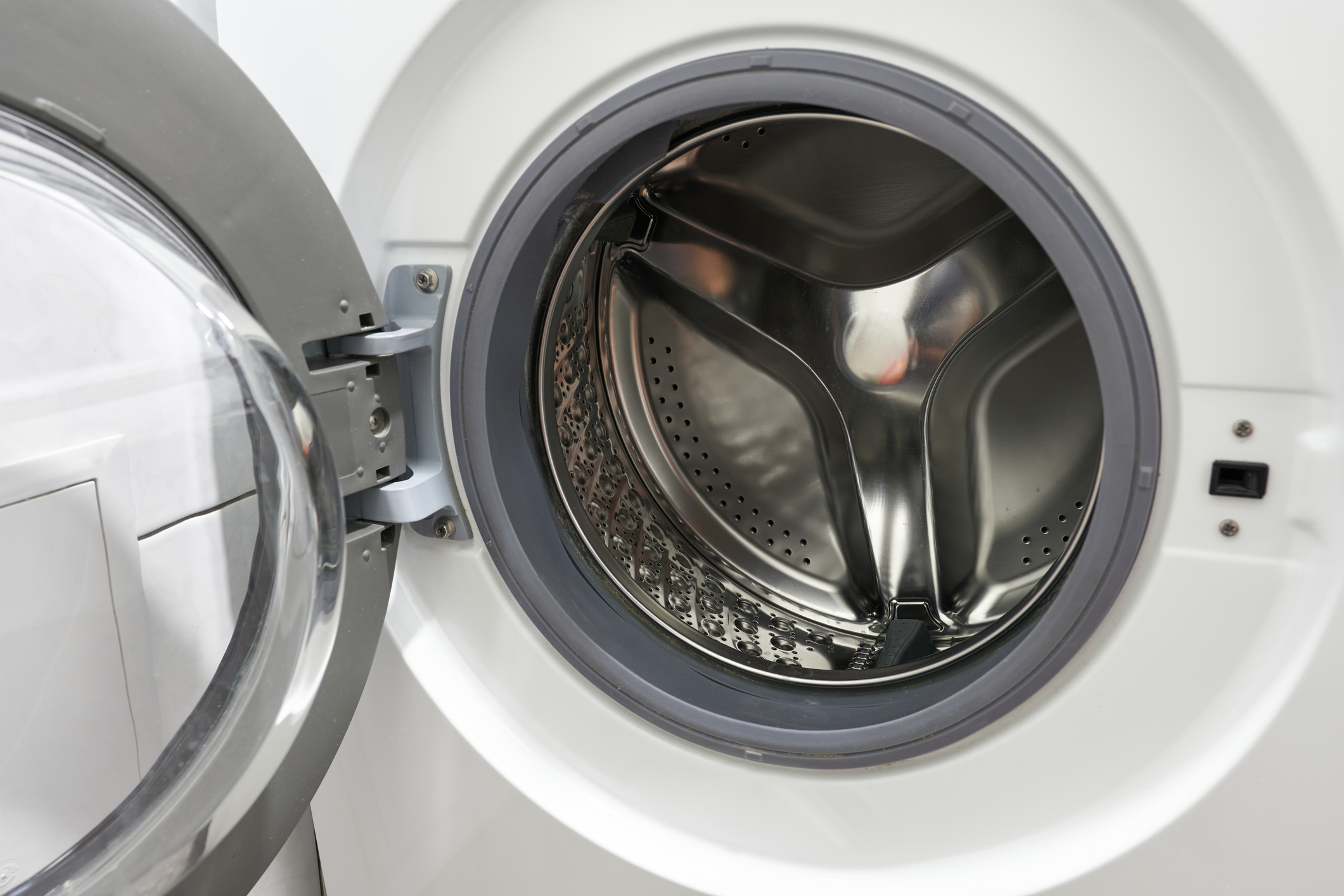
Your washing machine’s job is to clean things for you—but to do that job properly, it needs to be cleaned, too. Cleaning is especially important with front-load washers because their doors seal shut, cutting off air flow and rendering their damp interiors particularly prone to mold growth.
Bottom Line Personal asked appliance repairman Ben Schlichter how to clean a front-load washing machine.
After Every Load of Laundry
Wipe the washer’s rubber door gasket with a dry rag to remove any moisture and debris. Pay particular attention to the lower portion of the gasket that comes in contact with the water and where moisture is most likely to collect. Helpful: If you do multiple loads of laundry in a day, wiping down the gasket after the day’s final load is sufficient.
Leave the washer door ajar when not in use to encourage air flow and inhibit mold growth. If your washer’s door naturally swings shut—or swings so far open that it gets in your way—purchase a magnetic door holder to keep it in place. You can find these door holders for under $10 by searching “front load washer magnetic door holder” on Amazon.com or another shopping site. Exception: A small percentage of front-load washers, such as GE UltraFresh Vent System washers, contain technology that inhibits mold growth even with their doors shut, but this tech won’t last indefinitely, especially if you use too much soap or fabric softener.
Every month…or 30 to 50 Loads
Run your washer’s self-cleaning cycle. If you don’t see a setting named “self-clean,” refer to the machine’s instruction manual—its self-clean cycle might go by a different name. If your washer has no self-cleaning function: Run the wash cycle using the hottest water temperature available. These cleaning cycles should be done without any laundry in the washer but with a washing machine cleaner. Best-known cleaner: Whirlpool’s Affresh cleaning tablets, but virtually all washing machine cleaners contain similar ingredients, and many cost less than Affresh, which retails for around $2 per tablet. Alternatives: Skip the washing machine cleaners entirely, and use either one-half cup of white vinegar or one-quarter cup of citric acid, either of which will clean a washer nearly as well for significantly less money.
Use paper towels or a sponge to wipe away any visible detergent residue that remains after the cleaning cycle.
Every Three to Six Months
Wipe down the door gasket with white vinegar. If you’ve been diligent about wiping this gasket with a dry cloth after each use and running a self-cleaning cycle each month, the gasket likely is clean and mold-free, but occasional vinegar wipe-downs kill any mold that escapes those efforts.
Do a deep clean on the washer’s detergent drawer. These drawers are prone to detergent residue buildup. If there’s gunk or discoloration in your washer’s detergent drawer, remove the drawer, soak it in hot water, then gently scrub away any stubborn gunk. Refer to the washer’s instruction manual to determine how to remove the detergent drawer. If there is no convenient way to remove it, scrub away gunk as best you can with the drawer still in place.
Remove and clean the washer’s drain pump filter. This filter is located near the base of the unit, likely hidden behind an access door or panel. Consult your washer’s instruction manual if you’re not sure where this filter is positioned. Spread a towel on the floor before removing the filter itself and have some extra towels within reach, and/or position a catch basin beneath the opening if one will fit. A small amount of water inevitably spills out when the filter is removed—typically just four to eight ounces but potentially more if the filter is badly clogged. Tip: If the design of your washer’s filter allows, unscrew the filter only partially, stopping when the water starts to trickle out rather than removing the filter all at once. This trickle strategy will slow the drainage process and reduce the odds of a flooded laundry room—if more water comes out than expected, you can quickly re-tighten the filter, stopping the flow so you have time to replace the saturated towel and/or empty the catch basin before loosening the filter again. When the water flow ends, remove the filter, wipe it clean, then put it securely back in place.