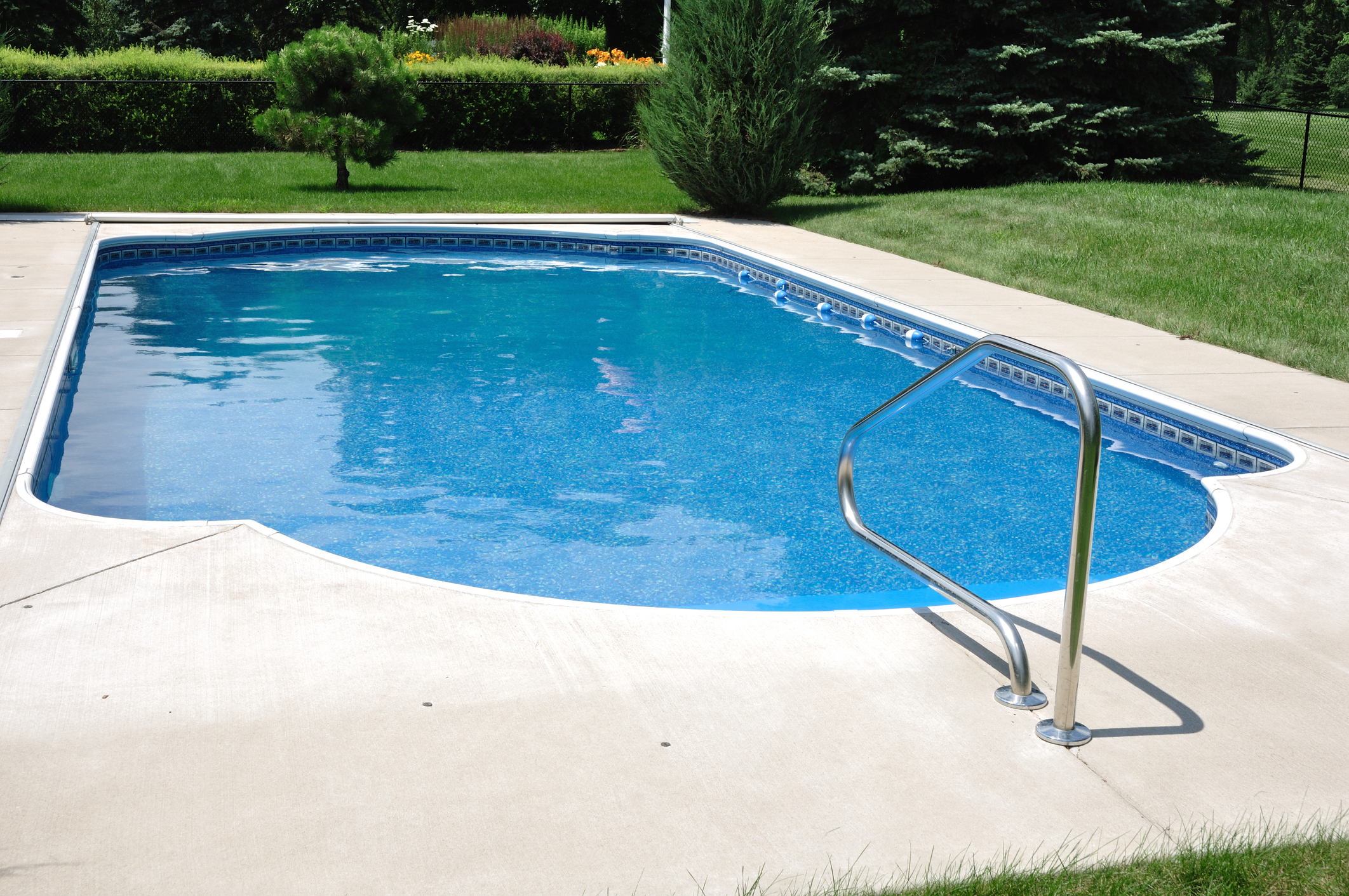
“How much does an in-ground pool cost these days?” It sounds like a simple question, but several factors—not all of which are within your control—can result in significant differences in the ultimate cost of an in-ground pool. Bottom Line Personal asked Daniel Morris, president of Morris Pools in Mesa, Arizona, to explain what customers should know as they contemplate an in-ground pool installation.
What You Can’t Control
Location: The part of the country (even the city or county) where you live can have an enormous impact on the price tag of an in-ground pool. Not surprisingly, your area’s cost of living will affect everything from labor to materials. But other factors such as local demand…terrain and slope…soil conditions…water table…shipping costs…and municipal permits and fees can drive the price up or down. Example: There will be a vast difference in the cost of engineering a pool on a rocky hillside near a tourist beach versus digging a hole in the ground in a backyard in the Midwest.
The national average in-ground pool installation is between $45,000 and $75,000, including materials and labor, and it is quite normal to exceed $100,000. But according to data from the home-services website Angi.com, a pool in Michigan averages $39,000 to $58,000…in Vermont, $52,00 to $79,000…in Oregon, $47,000 to $100,000….and in Colorado, $50,000 to $160,0000. Even within a particular state, there can be considerable variation.
To get the best sense for costs in your area: Talk to a reputable pool builder, pool designer or landscape architect…ask neighbors what they paid…and/or make inquiries on social media.
What You Can Control
Design: When it comes to factors within your control, the size, shape and features you have in mind for your in-ground pool will have an enormous impact on cost. Do you want a simple oval with a deep end and a shallow end…or do you want islands, waterfalls, a lazy river and a spa?
One way to keep within your budget: Hire a skilled pool designer rather than just telling the builder what you want. A design pro will identify the correct specifications such as plumbing size, gutter slopes and number of pumps. While hiring a designer adds to up-front costs, it can save tens of thousands of dollars in wasted materials and do-overs.
Materials: The other major factor for controlling price is the type of material with which your pool is lined. Vinyl is the cheapest but requires more maintenance, meaning added costs later…gunite, a mixture of cement, sand and water, or concrete is the next most affordable…and fiberglass is the most expensive.
Paying for the pool: You’ll save long term by paying for the in-ground pool installation with cash, but that’s not possible for most people. For new-home builds, buyers often roll the costs of the pool into the mortgage. Existing homeowners may take out home-equity loans. There also are companies that specialize in lending for pool construction, including Lightstream and HFS Financial. Also check with your credit union. Any of these options might offer better rates than your bank…but shop around. Be aware that some lenders may require periodic updates, including photographic evidence of progress on the pool.