
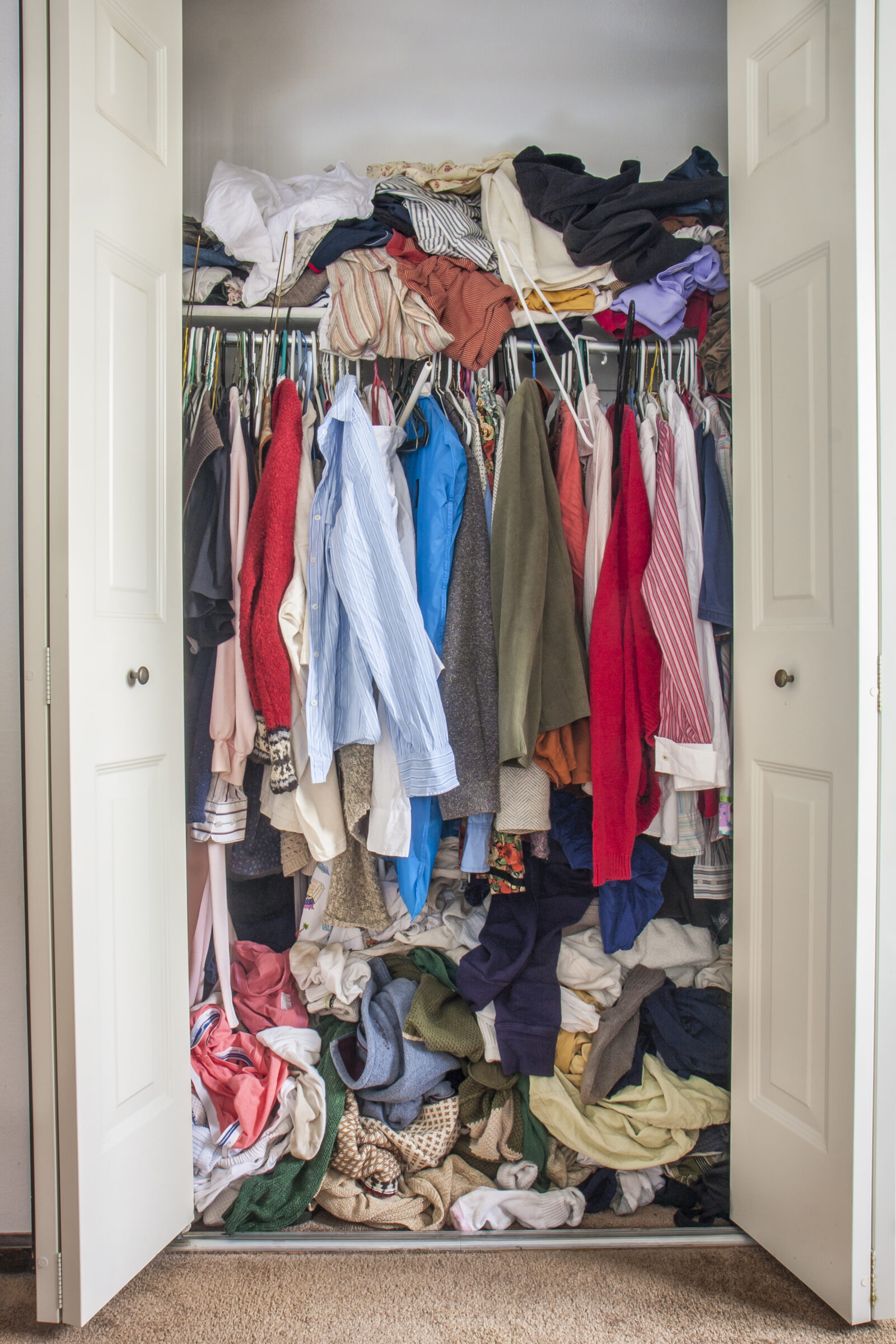
Undertaking a home organization project often seems like just another task on a long to-do list, so Bottom Line Personal turned to professional organizer Tanisha Lyons-Porter for her 11 top organization hacks and storage ideas.
2. Set up a regular closet-purge schedule.
3. Clean out the kitchen pantry and fridge before restocking.
4. Designate a storage spot for bulk purchases.
5. Generate space in your garage.
6. Stop storing other people’s stuff.
7. Repurpose rooms.
8. Maximize closet space.
9. Put an end to piles of paper (go paperless-ish).
10. Create a drop zone.
11. Research ways to dispose of unwanted clutter.
- Respect the boundaries of the space you’re living in. Living space and storage space are two totally different things. Just because you have an empty corner without any furniture doesn’t mean that it should be where stuff piles up. Better: Put the space to good use. Example: If you’re an avid reader with books piled all over the place, that corner could be a great place for new bookshelves.
- Set up a regular purge schedule for clearing out your clothes closet. Some people like to do one big sweep at the end of each year or season and call it a day…but that can be overwhelming for many of us. If you buy new clothes throughout the year, purge as soon as you see that you are running out of room. One sign that it’s time to purge: Not having enough hangers for all your clothes. How to decide what to purge: Pull out the clothes you always skip over for some reason—perhaps they have stains, are missing buttons or have broken zippers…or you just don’t like them anymore. Feeling guilty about the money you spent on them? Donating helps others and will make you feel better about your unused purchases.
- Clean out the kitchen pantry and the fridge before restocking. Kitchen cabinets often are filled with expired foods or ones you’ll never eat. Before you go grocery shopping, throw away that stale bag of chips or crackers…donate canned foods and other non-perishables…and take inventory of what you have to avoid buying duplicates.
- Designate a storage spot for bulk purchases. It is fine to load up on paper goods or cleaning supplies at warehouse stores and stock up on your favorite shampoos or lotions when they go on sale. But have a plan for storing them. Bought a six-pack of your favorite body lotion? Put one on a bathroom shelf or under the sink, and inventory the rest. Consider bins so everything isn’t piled loosely on shelves. Store things in the garage or on a shelf in a closet or in the laundry room. If you want to be able to see the contents, choose clear bins. Label each bin with its contents, and update the labels if the contents change drastically.
- Generate space in your garage. The garage can become a graveyard for things you no longer want. Toss broken appliances, abandoned toys and rusty sports equipment (admit that you’re not going to repair them) to make room for things that should be stored there, like the bins you set up in step four plus paper towels, toilet paper and other bulky items…holiday decorations…and housewares you only need for entertaining large groups.
- Stop storing other people’s stuff. Are you hanging onto your adult children’s old toys, books and more? Or are you storing stuff for other family members or friends? It’s time to give them a deadline to come get those things: “Hey, I’m cleaning up the house, and I have this of yours. Make some time to pick it up—I already have a donation pickup scheduled for the end of the month, so if you don’t come by, it’s going bye-bye.”
- Repurpose rooms. Consider the purpose of each room. I’ve had clients with great space, but the rooms in their homes weren’t aligned with their changing needs. Is that extra bedroom for guests being used frequently? Or are you giving up a great space for just a week or two out of the year? It could be more functional as a crafting or hobby room or a home office. (Put in a futon or sofa bed for when guests do come.)
- Maximize closet space. Don’t stick with the lone clothes rod that came with your home, loading it down and tossing everything else on the closet floor. Instead, make use of the vertical space above the rod by adding more shelves to store stackable boxes of accessories or folded clothes. If you don’t have a lot of long clothes, maximize the space below the rod—attach attractive hooks to the wall, hang multi-compartment closet organizers that hook over the top rod, or buy a short dresser. Note: Closets in other rooms can do double duty. Example: If your linen closet isn’t filled with linens, use the other shelves to store your grandkids’ toys or your storage bins.
- Put an end to piles of paper. If you can control the paper, you can control the home office. That starts with understanding the life cycle of papers. With junk mail, the life cycle should be very, very short. Tax documents and homeowner’s insurance, on the other hand, have a long life cycle and need to be properly stored. Try these solutions: Keep a recycling bag just inside the door you use daily, and toss the junk mail before you cross the threshold. Keep a shred box next to your desk, and fill it as you open the rest of the mail so that discards don’t stack up on your desk. To protect yourself without shredding: Get an ID protection roller—used like a stamp, it blocks out your name and address.
Stacks of unopened credit card and bank statements mean that you’re seeing the information electronically, yet you are still getting paper statements. How to break the habit: Start by going paperless with just one account. Once you no longer miss the paper for that account, you’ll be likely to do this with other accounts along with the explanations of benefits that come every time you get medical care.
More home office hacks: If you’re using a former bedroom as an office, make better use of the closet. Store important documents in labeled bins on a high shelf and your office supplies on the shelf below. Only the items that you actually use daily or weekly should sit on your desk. Ask yourself, If I could do my job anywhere in the world, what would I need to take with me? That is all that should be within arm’s reach on your desk.
- Create a drop zone. Avoid an overwhelming collection of shoes, boots, backpacks and sports equipment at the door you use most often. When my kids were very young, our drop zone consisted of big baskets into which they could dump all their stuff rather than leaving a trail through the house. When they got older, I bought a shelf with five strong hooks and put it on a bare wall next to the door. I hung a mirror above and underneath was a cubby system for shoes. Depending on your local weather, you also might need an umbrella stand and a bin for hats and gloves.
- Research ways to dispose of unwanted clutter. Sometimes people want to recycle responsibly but find that a challenge, so they just hang onto things. Other people just don’t have the bandwidth to get to the different places to drop off old electronics, clothes and hazardous materials. No matter what size town you live in, check out available services. There may be certain days of the year when the town offers recycling at a school or community center. Some offer shred days, too. You may have local charities that will pick up donations—schedule them regularly to force yourself to discard and declutter. Check with your local waste-management company—it may include bulk trash pickups in its service so you don’t have to throw out in drips and drabs.
Bottom line: Don’t let “perfect” prevent you from creating systems that work for you now. You may not have the space or the money for perfect solutions, but you can create workable solutions with what you have now.
