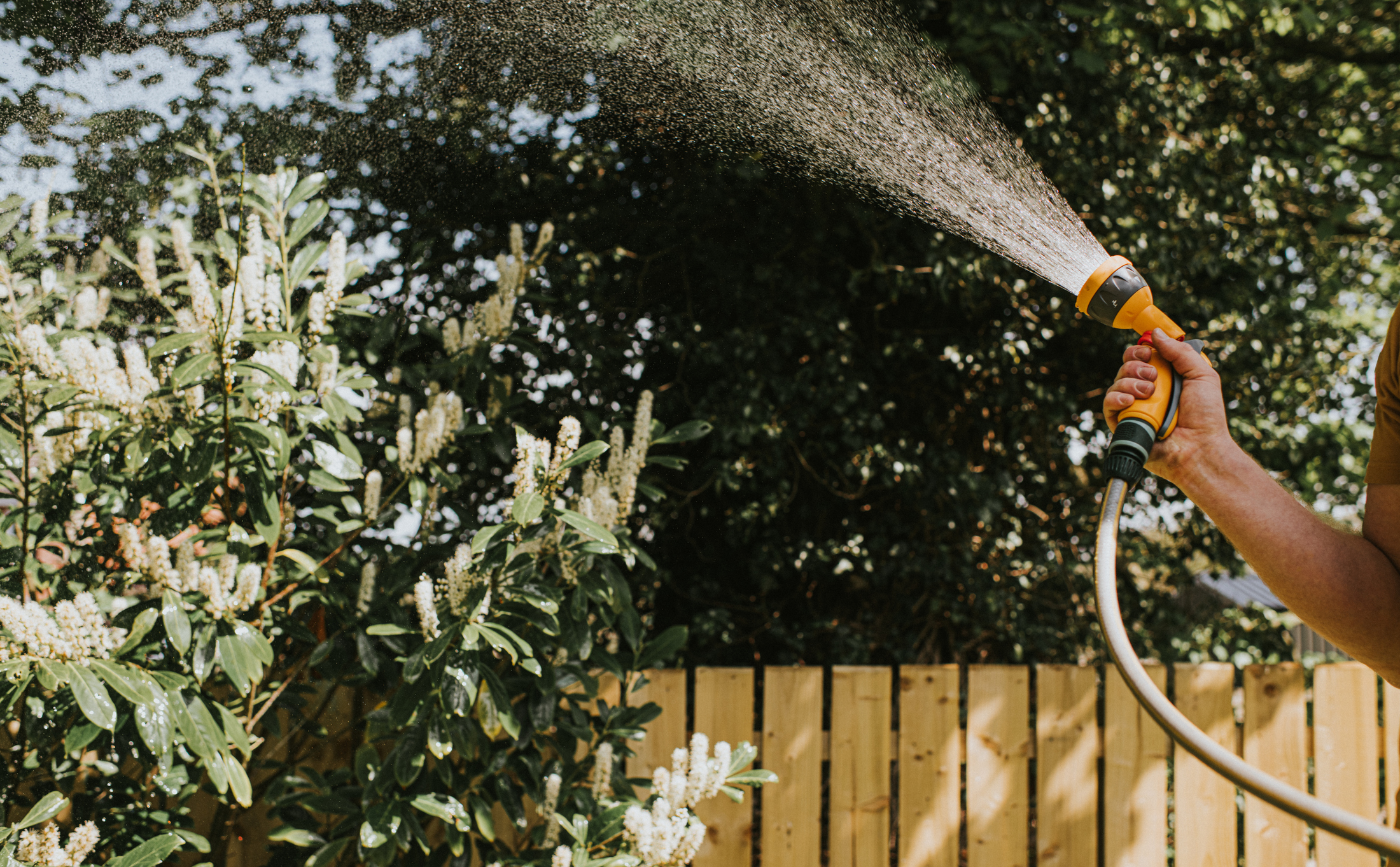
Has it been a while since you’ve replaced your old garden hose? If it kinks, tangles, leaks or fights you when you try to coil it up, it’s time to invest in a new, improved one, says our Bottom Line Personal gardening expert Teri Dunn Chace. Here’s how to choose…
Consider better material
Hoses are no longer simply made of cheap, short-lived vinyl. Plastic still is common, but now there’s a range of durable, flexible alternatives. Shop online or check at local home-and-garden suppliers. Best: Products labeled “contractor-rated” or “professional-grade” are better quality.
Polymer
These hoses coil up easily, resist kinking and have good tensile strength. An upgrade from plain old vinyl, they often contain polyvinyl chloride (PVC) and/or polyurethane.
Brands to consider: Craftsman, Flexzilla and Giraffe.
Rubber
A hose made from rubber will be a substantial, tough hose that does not kink, abrade or puncture. But it is heavier and may be cumbersome, depending on the length you choose.
Brands to consider: Briggs & Stratton of lawnmower fame…and AG-lite, which offers lighter-weight models.
Alternative: A “hybrid” hose made of both rubber and polymer is lighter weight. Giraffe has a good one.
Flexible metallic
Stainless steel hoses get their kink-free flexibility from interlocking segments. They are also lighter-weight and quick and easy to wind on a hanger.
Brands to consider: Bionic Steel…Sun Joe, which has an outer sheath of stainless steel with an inner core of flexible PVC.
Expandable
These polymer-and-polyester hoses have a lot of fans, and no wonder. They are light and easy to maneuver…do not kink…and coil with ease. It’s amazing to watch how they stretch out when you turn on the water and shrink when stored. Caution: Don’t drag an expandable hose over gravel or other abrasive surfaces—holes can develop—and don’t yank if it gets caught.
Brands to consider: Flexi Hose, Flex-Able, Hydrotech, SamBoKe.
Determine what length you need
All of the above options come in a range of lengths. Shorter will always be easier to maneuver, but a longer one could come in handy. Alternatives: Get two hoses and connect them as needed…or use a splitter at the water source/spigot and hook up a longer hose for use out back and a shorter one for watering the front yard.
Pay attention to hardware
Avoid plastic couplings, which simply don’t hold up. Best: A hose with durable connections of anodized aluminum, nickel-plated brass or (best) copper.
Store with care
If you don’t have a hose reel, hanger or “hose pot,” stash your hose on the ground out of harm’s way using a figure-eight pattern, which makes dragging it into use a cinch. Any hose is easier to wind up when it’s warm from the sun. Drain and keep your hose indoors over cold winters.