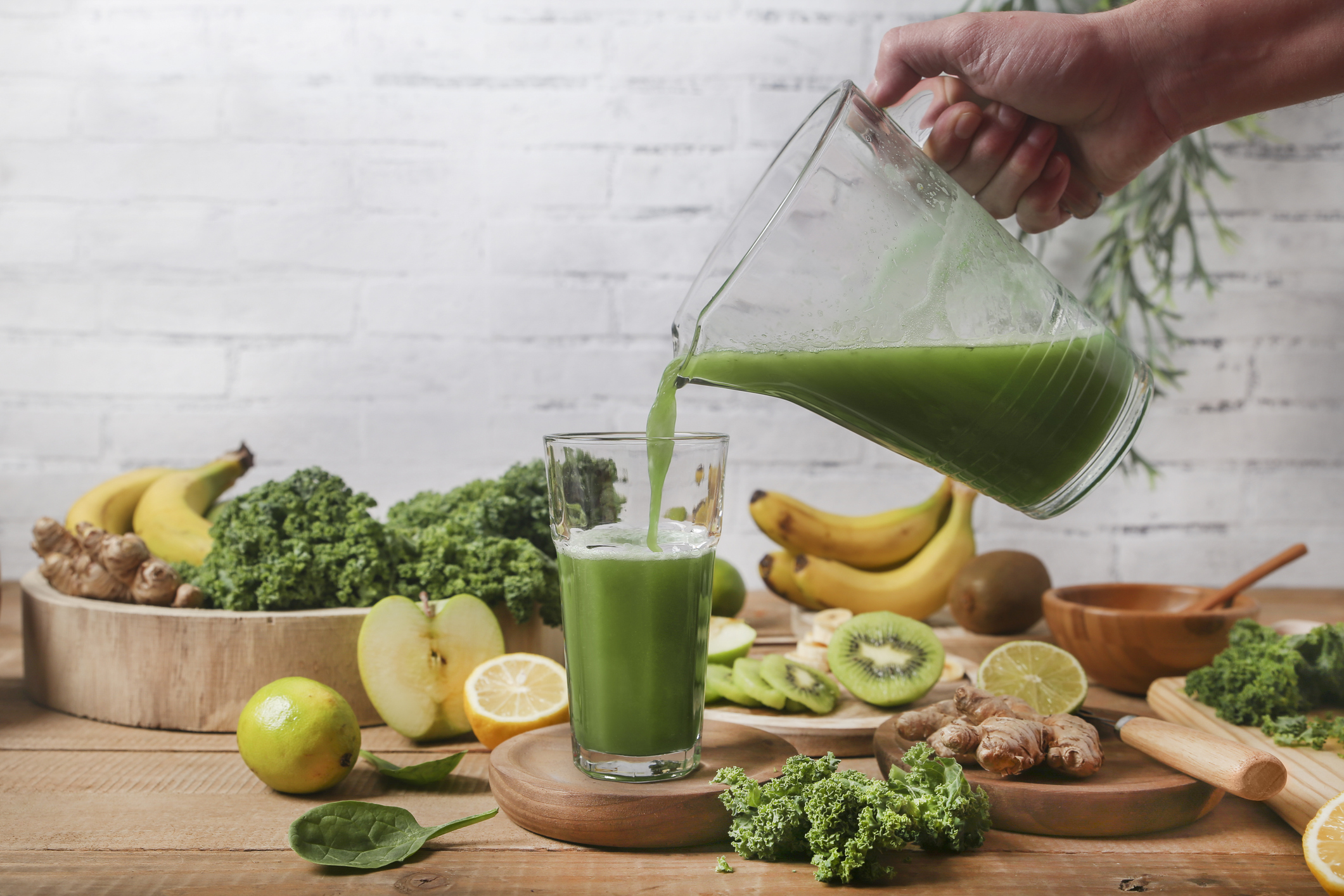
Our bodies are exposed to more toxins than ever these days, so you may have wondered if a detox cleanse is right for you. Reality: Complex detox regimens typically aren’t needed. The best detox cleanse is the one that your body does internally on its own every day—but you need to support that process with the right nutrients.
Bottom Line Personal turned to naturopathic doctor Chris Meletis, ND, to explain the concept of a full-body cleanse detox.
A Daily Toxic Barrage
The human body continuously detoxifies itself from internal toxins generated by normal metabolism and from toxins resulting from a dysfunctional metabolism, including conditions such as dysbiosis—an imbalance of good and bad bacteria—in the gastrointestinal tract and elsewhere. The body rids itself of hormones, hormone metabolites and cellular waste daily. Think of it this way: The trillions of cells that make up the human body are like little engines that take in oxygen and nutrients. The mitochondria in virtually every cell in the body, except red blood cells and the lenses in our eyes, are the powerhouses (batteries), and they produce a lot of metabolic toxins and harmful free radicals, much like an engine produces toxic emissions that need to be cleared.
In an ideal world, each of us would have to worry only about the toxins that our body generates. But instead we also are faced with external toxins—microplastics, parabens, phthalates, heavy metals, herbicides, pesticides, benzene, toluene, BPA, PFAS and other forever chemicals. Many of these external toxins are hormone disruptors, and many disease processes can flourish in a toxic hormone milieu. To prevent these toxins from being stored, particularly in fat tissues, the body must activate detoxification pathways…and that’s a lot of extra work your body has to handle.
How the Body Naturally Detoxes
Toxic substances in the body undergo three phases—Phases I and II and then, in Phase III, they are eliminated through the GI tract, kidneys, skin (via sweating) and even the lungs.
Phase I: Activation and oxidation. Phase I occurs in the liver, where toxins are activated and oxidized. This phase relies on enzymes called cytochrome P450, which convert toxic substances into metabolites that are broken down in preparation for Phase II. This process generates potentially even more reactive and harmful substances that need to be efficiently taken into Phase II to minimize risk. This is why it’s so important to support Phase I liver detoxification.
How to support Phase I: Consume foods with nutrients that promote antioxidant activity. Antioxidants help neutralize harmful free radicals and protect cells from damage.
Best antioxidant foods: Vitamin C–rich foods such as citrus fruit and bell peppers…cruciferous vegetables including broccoli, cauliflower and kale…and several key compounds such as magnesium, cysteine, methionine, choline and inositol. The key is to “supplement” a healthful diet, but the vast majority of our diets fall short of the five-to-seven servings of fresh vegetables and fruit, so supplementation often is needed for health pursuits and special wellness pursuits.
Phase II: Conjugation. In Phase II, the metabolites from Phase I are further processed and made water-soluble so they can be eliminated from the body. Sulfur-containing foods such as cruciferous vegetables, garlic, onions and egg yolks are essential in Phase II to support the various detoxification pathways, including glucuronidation, acetylation, esterification, amino acid conjugation, sulfation and glutathione conjugation. Also necessary for this phase are amino acids (the building block of proteins), such as glycine, cysteine (or N-acetyl cysteine), taurine and methionine. Other accessory nutrients, such as the trace minerals molybdenum and selenium, are critical for this step as well. Of paramount importance is supporting the production of the master antioxidant glutathione, which can be synthesized from amino acids or taken as a supplement. If Phase II detoxification is slow or underfueled, the toxic metabolites produced in Phase I can accumulate and lead to increased toxicity, side effects and symptoms such as brain fog and fatigue. A good high-quality multivitamin should provide both molybdenum and selenium. When it comes to amino acids like glycine, cysteine, taurine and methionine, it all depends on the quantity and quality of the protein an individual is eating. Generally, I recommend these supplements during detox cleanses. (Since everyone is different, consulting your individual health-care provider is essential.)
Phase III: Transportation and elimination. This phase helps move the toxins out of the body via urine and bile (produced by the liver). Best: Stay well-hydrated to ensure adequate urine production and kidney elimination…and get plenty of fiber to help with regular bowel movements.
How to Support Your Body’s Natural Detox Cleanse
There are lots of things you can do to help your body’s daily detox cleansing…
Drink clean water, ideally filtered for chlorine, fluoride and other contaminants.
Eat your veggies, fruit and other fiber-rich foods. If you are on a weight-loss program: Make a concerted effort to get all the nutrients that support detox pathways. Far too many people lose significant weight rapidly without properly supporting detoxification.
Minimize exposure to toxins in the foods you eat. Avoid “The Dirty Dozen” foods unless your budget allows for you to purchase them organically. And remember the “Clean 15” foods, such as onions, cabbage and cauliflower. These two lists are put out annually by the nonprofit Environmental Working Group.
- Spinach
- Strawberries
- Kale, collard and mustard greens
- Grapes
- Peaches
- Cherries
- Nectarines
- Pears
- Apples
- Blackberries
- Blueberries
- Potatoes…bell and hot peppers…green beans
Source: Environmental Working Group
- Pineapple
- Sweet corn
- Avocado
- Papaya
- Onions
- Sweet peas
- Asparagus
- Cabbage
- Watermelon
- Cauliflower
- Bananas
- Mangoes
- Carrots
- Mushrooms
- Kiwi
Source: Environmental Working Group
When it comes to animal-based foods, focus on free-range or organic products, especially dairy products from cows that have not been exposed to extra hormones. Often this is noted on the label if the company is ensuring no extra hormones. Some US dairy farms inject the genetically engineered hormone rBGH, also called rBST, into cows to boost milk production—be sure to purchase products with a label that indicates the cows are free of rBGH or rBST.
Avoid larger fish with high mercury content, such as swordfish, shark, king mackerel, tilefish and bluefin tuna.
If a food product label has words that your great-grandparents didn’t know, don’t eat it!
Also: Be aware that indoor air pollution and off-gassing increase burdens on the body. Skip lotions, creams, shower gels and other personal-care items that contain parabens and phthalates. Avoid drinking from any plastic bottle whenever possible…opt for stainless steel or glass instead.
When to Use a Commercial Detox Cleanse
While each day is a cleansing day, you might consider doing a deep clean for a few weeks once a season. Autumn, winter, spring and summer are great times to look at what you have done for your body lately. Giving it some special attention makes good sense, but how you approach it takes common sense.
There are dozens of ways to detox. Many indigenous cultures have done soup, broth and other modified fasts that allow the GI tract and the body in general to rest. Toxins also can leave the body through sweating, so a sauna can be a pleasurable option. Ultimately, it depends on your individual health and any medications you’re taking along with many other factors.
Example: If you have low blood sugar (hypoglycemia) or need food in your stomach for prescription medications to be tolerated, then an all-out fast isn’t for you. Instead consider light eating, assuming it is agreeable with your body. If you have a physically or mentally strenuous job, such as in construction or air traffic control, weekends and days off may be more strategic times to rest your body’s intake. For all these reasons, working closely with your health-care provider is crucial.
Approach detoxing carefully. Detoxing is much like working out. If you haven’t exercised for a long time, your body may not be ready for an all-out workout. The same applies to detoxifying—you want to ensure that that your nutritional status is up to handling all three phases.
Patients often ask what I think of a particular fast or gut cleanse detox. My advice: Start low and go slow, especially if you’re on medication for chronic conditions. If something is powerful enough to help your body, it also can serve as a disruptor. Example: If you start a detox cleanse and you get very loose stools, that means your prescription medications are likely not being well-absorbed. The same thing can happen if you’re taking binders (agents such as charcoal, humic/fulvic acid or others that bind toxins for easier elimination). Remember that if they can bind toxins, they can bind to important prescription drugs as well.
Be suspicious of over-the-counter detox products with outrageous claims. If something seems too good to be true, it usually is. Also, if it sounds extreme, get medical advice first.
Additionally, there are many subpar supplements and detox products on the market that, at first glance, appear promising yet are missing key ingredients, lack quality or even may be tainted with toxins. Some supplements labeled HCP (Health Care Provider) are designed by professional formulators and support the body’s detox pathways with nutrients. At the very least, make sure the manufacturer you’re considering is certified GMP (good manufacturing practices) and has a certificate of analysis available for each lot of products being offered. If a company does not have cGMP on their product labels, assume it does not have these certificates. Manufacturers spend a lot of money to get and stay cGMP. You can also check the manufacturer’s website.