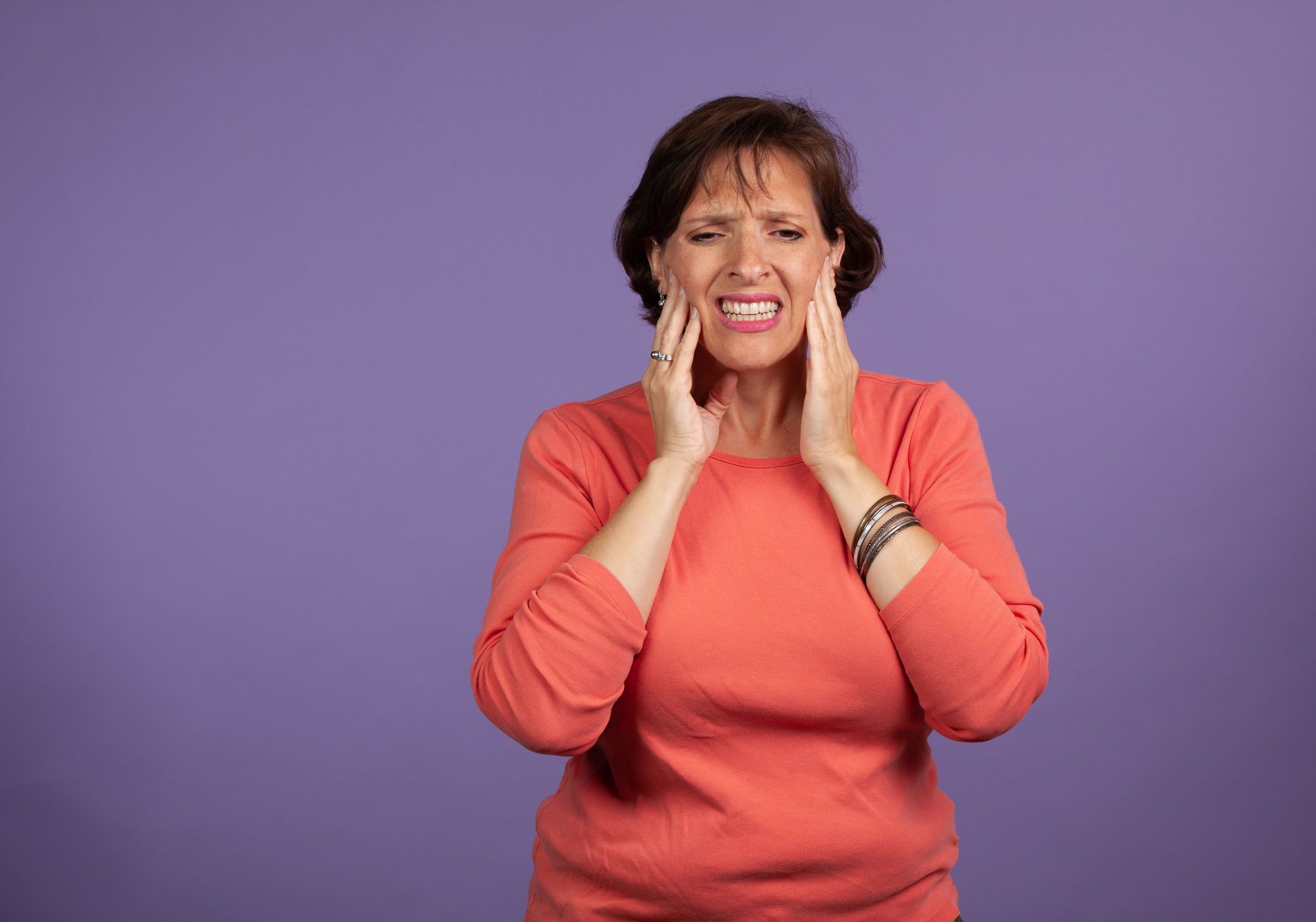
Dentists frequently are asked this question by patients, many of whom instantly assume that they have a temporomandibular joint (TMJ) disorder. But many important anatomical structures are located near the jaw and the surrounding area, so it is not always immediately clear what is causing jaw pain—especially when it occurs on only one side.
Bottom Line Personal asked Thomas P. Sollecito, DMD, chair of the oral medicine department at Penn Dental Medicine, to lay out some of the possible causes of jaw pain.
An aching or painful jaw is seldom reason for alarm, and most causes are treatable. But some of the unlikelier causes of jaw pain on only one side may be ominous. In any case, discuss your concern with your dentist or primary care doctor. Some possible causes…
Tooth-related
Sometimes what’s construed as jaw pain is tooth pain from a cavity or an abscess, especially if the pain worsens when you bite down or when that area of the mouth is exposed to hot or cold food or beverages.
Temporomandibular joint disorders
Some people use the acronym “TMJ” to describe a condition, but it actually refers to the temporomandibular joint—the hinge joint between the temporal bone of the skull and the lower jaw (mandible). There are many TMJ disorders that cause pain in front of the ear where the lower jaw meets the skull, including trauma, inflammation, arthritis, muscle pain and a disc displacement in the joint. These conditions may be accompanied by jaw popping or clicking that sometimes exacerbates the pain. Treatment for a TMJ disorder is based on the underlying cause of the pain. Generally speaking, jaw rest, a soft diet and warm compresses are prescribed. Occasionally, for muscle-related disorders, your dentist may prescribe an analgesic and/or physical therapy. For inflammation, you may be prescribed an anti-inflammatory medication. Many TMJ disorders resolve on their own over time, but those that persist should be evaluated by your dentist.
Salivary gland inflammation
Pain under the ear behind the jawbone may be caused by an infected or inflamed salivary gland. This is typically farther back (posterior) in the face/head than the pain caused by TMJ disorders. Treatment for salivary gland inflammation really depends on the cause. If it is simply a mucous plug in the ductal system or a viral infection, it may resolve on its own. Inflammation caused by an underlying inflammatory condition or autoimmune disorder will require treatment from your dentist or other health-care professional.
Sinusitis
An infection of the sinus cavity can cause pain on one side of the face near the jaw, more specifically in the upper teeth. This can also be associated with congestion, a runny nose and headache. Your physician may prescribe antibiotics and nasal rinses or sprays.
Vascular headaches
Migraines and cluster headaches, though most often located behind the eyes, sometimes can manifest as pain in or around the jaw. For this type of pain, you would want to see a neurologist.
Trigeminal neuralgia
When something goes wrong with the trigeminal nerve located deep in the brain, it can be experienced as sharp, shooting jaw pain that lasts a few seconds. Sometimes the source of trigeminal neuralgia is unknown…other times it is caused by a blood vessel or tumor pressing against the nerve. This pain is acute and often warrants an urgent doctor visit to determine the cause. Treatment is dependent on the cause.
Temporal arteritis
This condition, sometimes called giant-cell arteritis, affects older adults most often. The pain, located in front of the ear around the jaw hinge up to the side of the head (temple area), is caused by inflammation in an artery supplying blood to the side of the head. Patients should be evaluated by their primary care physician as soon as possible. He/she will probably order blood tests and start the patient on steroids to decrease the inflammation.
Referred pain
Sometimes conditions in other parts of the body can cause jaw pain. This includes the pain felt during a heart attack, which is felt in the left jaw…as well as pain from cancers in the mouth or tonsil area, which could manifest as unilateral jaw pain on the side of the tumor.